








What Exactly Is Intermittent Fasting?
Unlike diets that focus on what you eat, intermittent fasting is all about when you eat. It’s an eating pattern that cycles between periods of eating and voluntary fasting. The core idea is to give your body a longer-than-usual break from digestion. The most
common methods include the 16/8 method, where you fast for 16 hours and eat within an 8-hour window each day, and the 5:2 diet, which involves eating normally for five days a week and significantly reducing calorie intake on two non-consecutive days. It’s not about starving yourself, but about creating a defined window for your meals, which can simplify your day and change your relationship with meal timing.
The Appeal: Why People Are Trying It
Many people are drawn to IF for its potential health benefits, which research has begun to explore. Studies have shown that it can be an effective tool for weight management. When your body goes without food for 10-12 hours, it depletes its sugar stores and begins burning fat for energy—a state known as metabolic switching. Beyond weight loss, some studies suggest IF may lead to improvements in metabolic health markers, such as lower blood pressure, improved cholesterol levels, and better blood sugar control. The simplicity of the structure—focusing on time rather than counting every calorie—is also a major draw for those who find traditional diets too complex.
A Framework for Eating, Not a Magic Bullet
While the benefits sound promising, it's crucial to understand how intermittent fasting works. For most people, weight loss from IF comes from a simple principle: a shorter eating window often leads to consuming fewer calories overall. It serves as a practical framework that can help prevent late-night snacking and mindless grazing. However, research suggests that for weight loss, intermittent fasting is generally not more effective than traditional calorie-controlled diets; it's simply a different method to achieve the same end. The magic isn't in the fasting itself, but in whether the structure helps you maintain a consistent and healthy calorie intake without feeling overly restricted.
The Big Question: Is It Sustainable for You?
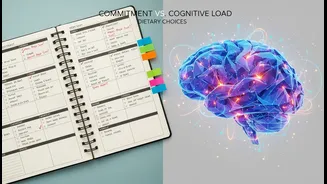
The most effective eating plan is one you can stick with long-term. The sustainability of intermittent fasting is highly personal and depends entirely on your lifestyle, social commitments, and personal disposition. While some find the structure liberating, others may find it difficult to maintain, especially with variable work schedules or family meal times. Initial side effects like hunger, irritability, headaches, and fatigue are common as your body adjusts, though they often subside within a few weeks. If an eating pattern adds stress to your life or leads to overeating during your designated window, it's not a sustainable choice, no matter the potential benefits.
Who Should Approach Fasting with Caution?
Intermittent fasting is safe for many, but it is not suitable for everyone. It is strongly advised against for children and teens under 18, as they have high energy needs for growth. Women who are pregnant, breastfeeding, or trying to conceive should also avoid it. Furthermore, individuals with a history of eating disorders should steer clear, as the restrictive nature of fasting can be triggering. People with certain medical conditions, especially type 1 diabetes or those on medications for blood pressure or heart disease, must consult their doctor before attempting any form of fasting, as it can affect blood sugar and electrolyte levels.
Finding Your Personal Eating Structure
Ultimately, the conversation around intermittent fasting points to a bigger truth: the best dietary approach is one that is balanced, nourishing, and fits seamlessly into your life. Whether that’s intermittent fasting, mindful eating, or simply focusing on nutrient-dense foods and portion control, the goal is to create a sustainable structure. A healthy eating pattern should provide you with consistent energy, support your health goals, and foster a positive relationship with food. If you try IF, start gradually—perhaps with a 12-hour fast—and see how your body responds. The key is not to force a trend, but to find a rhythm that works for you.