


Why Quarantine is Non-Negotiable
Introducing a new plant to your home without a quarantine period is like inviting a stranger to a party without knowing if they have the flu. Your new plant could be carrying unseen pests like spider mites, mealybugs, scale, or fungus gnats, as well as fungal
or bacterial diseases. These issues can spread rapidly to your established, healthy plants, creating a much larger problem that is difficult and time-consuming to eradicate. A dedicated quarantine period of at least two to four weeks—and up to six for maximum safety—is the best preventative measure you can take to protect your entire collection. This period allows enough time for the life cycles of most common pests to complete, making any hidden issues visible before they can spread.
Establish an Isolation Zone
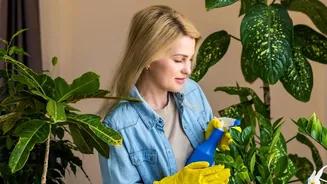
The first step is to create a separate start for your new arrival. This means placing the plant in a different room from any of your other houseplants. A bathroom, laundry room, or spare bedroom works well, provided the plant still receives appropriate light. The physical distance is critical because some pests, like fungus gnats, can fly, while others can travel short distances between pots. If a separate room isn't possible, choose a corner far away from other plants. Some guides even suggest placing the new plant inside a large, clear plastic bag with ventilation holes to create a mini-quarantine bubble, though this is not a long-term solution. During this isolation, avoid using the same watering can or tools on both the new plant and your existing collection without thoroughly cleaning them first.
A Head-to-Toe Plant Inspection
Upon arrival and weekly thereafter, give your new plant a thorough inspection. Start by examining the leaves—both tops and undersides—for signs of trouble. Look for tiny webs, which could indicate spider mites, or white, cottony masses in leaf joints, a tell-tale sign of mealybugs. Small, brown bumps on stems and leaves could be scale insects. Also check for discoloration, yellowing spots, or curled leaves, which can signal pests or disease. Don't forget the stems and the point where leaves join the stem, as these are common hiding spots for pests. Using a magnifying glass can make spotting these tiny intruders much easier.
Don't Forget the Soil Check
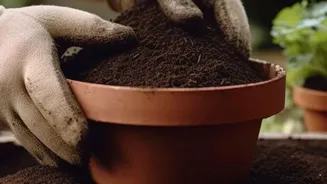
What happens below the surface is just as important as what’s happening on the leaves. The soil can harbor pest eggs, larvae, or adult insects like fungus gnats and sowbugs. When you water, watch to see if any small black flies emerge from the soil—a clear sign of fungus gnats. It’s also wise to check the root system. Gently slide the plant out of its pot to inspect the roots. Healthy roots are typically firm and white or light-colored. If they are brown, black, mushy, or have a foul smell, the plant is likely suffering from root rot, a condition caused by overwatering and poor drainage. If you suspect pests in the soil, repotting the plant in fresh, sterile potting mix is a proactive solution.
Perform a Pot Patrol
The nursery pot itself can be a source of problems. It may harbor pests, eggs, or fungal spores. For this reason, it is always a good practice to clean and disinfect pots before reusing them, and the same logic applies to a new plant’s container. Before you even consider repotting, thoroughly clean the new pot you plan to use. A solution of one part bleach to nine parts water is an effective disinfectant for plastic, clay, or terracotta pots. Soak the pot for at least 10 minutes, then rinse it thoroughly with clean water to remove all bleach residue. For mineral or salt buildup, a scrub with a stiff brush and a vinegar solution can help. Ensuring the pot is clean is a simple but vital step in preventing the carryover of disease.
Graduating from Quarantine
After the plant has spent a minimum of two to four weeks in isolation with no signs of pests or disease, it can be cleared for introduction into your general plant population. Throughout the quarantine period, continue with regular inspections. If you do spot a problem, you can treat the single plant without risking your entire collection. Some plant owners choose to proactively treat new arrivals with an insecticidal soap or neem oil spray as a preventative measure. Once the quarantine is successfully completed, you can confidently place your new, healthy plant in its intended spot, knowing you’ve done your due diligence to keep your entire indoor garden safe.