
The Reign of the Over-Styled Shelf
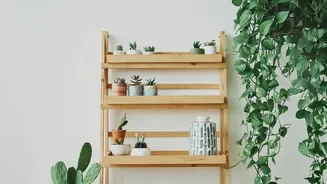
For the better part of a decade, the perfectly curated, densely packed bookshelf was a cultural phenomenon. Spurred by social media platforms like Instagram and Pinterest, the 'shelfie' became the new selfie. It was a competitive sport of sorts, showcasing
not just one's book collection, but an entire aesthetic built from tiny succulent pots, quirky ceramics, and artfully arranged tchotchkes. This trend, a form of accessible maximalism, invited us to turn every surface into a stage for our personality. But the pressure to create these picture-perfect vignettes also led to a specific kind of visual noise. The endless layering and arranging, while beautiful in a photograph, often translated into clutter and a sense of being overwhelmed in real life.
A Correction Towards Calm
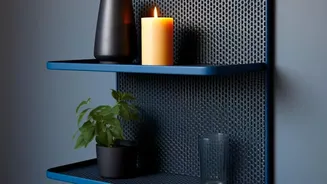
The pendulum is now swinging back. As a reaction to the performative perfection that defined the 'shelfie' era, homeowners and designers are seeking a calmer, more intentional approach to decorating. The constant upkeep and visual busyness of over-styled surfaces are giving way to a desire for authenticity and breathing room. This shift isn't just about tidying up; it's a deeper reflection of a cultural desire to create homes that feel like sanctuaries rather than showrooms. In a world saturated with digital noise, our physical spaces are becoming zones for mental clarity. The rejection of the cluttered shelf is part of a larger movement towards 'less is more,' but with a warm, personal twist.
The Power of Fewer, Bolder Objects
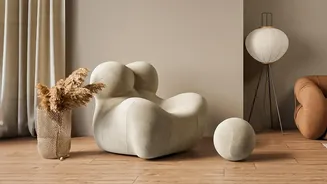
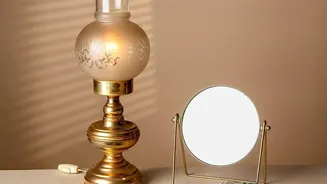
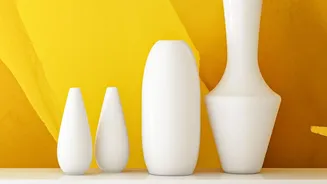
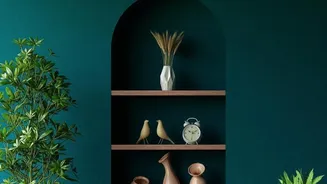
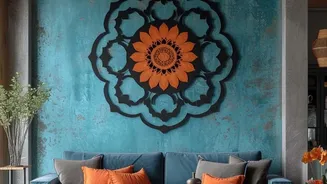
Enter the new mantra: fewer, larger objects. Instead of a dozen small items, the current philosophy champions the power of one or two significant pieces. Think a large-scale art piece, a substantial sculptural vase, or a single oversized lamp. These items have the power to anchor a room, create a focal point, and command attention in a way a collection of smaller items cannot. Using fewer, larger objects also allows for the appreciation of negative space—the empty areas around an object that give it room to breathe and make a statement. This approach reduces visual clutter, making a space feel larger, more serene, and more intentional. The focus shifts from accumulating 'stuff' to carefully selecting items that have scale, presence, and personal meaning.
From 'Shelfie' to 'Bookshelf Wealth'
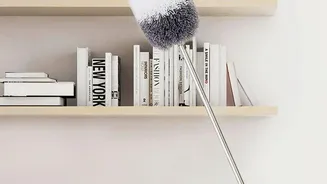
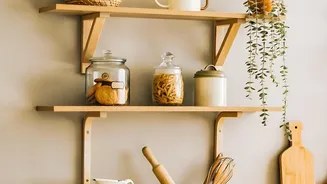
This trend reversal shouldn't be confused with cold, impersonal minimalism. In fact, it often runs parallel to another recent trend known as 'bookshelf wealth'. This concept champions shelves filled with books that have actually been read, mixed with meaningful art and collected objects that tell a personal story. It's an anti-trend in that it celebrates authenticity and a lifetime of collecting over a quickly 'installed' look. The key difference from the 'shelfie' is intention and substance. While the 'shelfie' was often about arranging many small, decorative items for a photo, 'bookshelf wealth' combined with the 'fewer, larger' philosophy is about curating a space that is deeply personal and lived-in, where every object, big or small, has earned its place. The focus is on quality over quantity.
How to Embrace the New Aesthetic
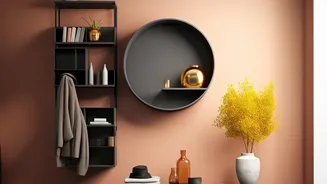
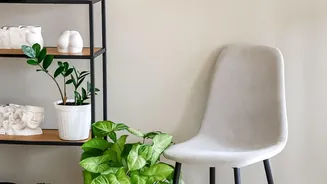
Making this shift in your own home doesn't require a complete overhaul. Start by editing. Take everything off a shelf or surface and start with a clean slate. Be ruthless about what you put back. Choose only the items you truly love and that tell a story. Then, think about scale. Instead of ten small frames, could one large piece of art make a bigger impact? Instead of a cluster of tiny vases, try a single, sculptural one. Shop your own home for larger items that might be hiding in other rooms. A beautiful basket, a stack of large coffee table books, or a striking plant can all serve as powerful focal points. The goal is to create vignettes that feel balanced, personal, and, most importantly, calm.