


From Checklist to Connection
For decades, the classic image of a young person’s trip abroad involved a whirlwind tour of famous landmarks, a race against time to collect passport stamps and social media-worthy photos. The goal was to see as much as possible, as quickly as possible.
But a quiet revolution is underway. It’s called ‘slow travel’, and it’s about swapping the frantic pace for a more intentional approach. Instead of spending two days in five different cities, a slow traveller might spend ten days in one. The core idea is to prioritise depth over distance, connection over a simple checklist. It’s a mindset shift that redefines travel from a consumptive act to an immersive experience, rooted in the belief that the most meaningful journeys are measured by how deeply you connect with a place, not how many you visit.
Why Young Travellers Are Slowing Down
This shift is not happening in a vacuum. It is a direct response to a hyper-connected, fast-paced world that often leads to burnout. Many younger travellers are seeking an antidote to the stress of modern life, and a frenzied holiday itinerary no longer feels like a true escape. The desire for authenticity is a major driver; there is a growing weariness with crowded tourist hubs and a yearning to experience a destination like a local. Furthermore, a heightened awareness of sustainability is pushing travellers to reconsider their impact. Choosing slower, overland transport like trains instead of multiple flights, and supporting local economies by staying longer, aligns with a more conscious mindset. The rise of remote work has also made this lifestyle more accessible, allowing people to live and work from a new location for weeks or months at a time.
The Rewards of a Leisurely Pace
The benefits of slowing down are profound. On a practical level, it can be more budget-friendly. Fewer transportation tickets and the ability to access weekly or monthly rates on accommodation can significantly reduce costs. But the real rewards are experiential. Staying in one place allows for genuine connections to form, whether with the local barista who knows your coffee order or with fellow travellers at a neighbourhood hostel. This approach fosters a deeper cultural understanding that goes far beyond a museum plaque. Perhaps most importantly, slow travel is better for personal well-being. By removing the pressure of a packed schedule, it allows for spontaneity, rest, and reflection. Travellers report feeling more relaxed and rejuvenated, returning home not with exhaustion, but with a renewed sense of peace and perspective.
What Slow Travel Looks Like
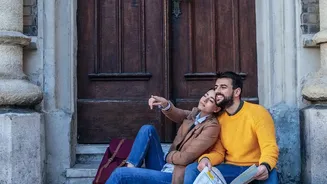
Adopting a slow travel mindset doesn’t require quitting your job and becoming a permanent nomad. It can be incorporated into any trip. It might mean choosing to explore one region of a country thoroughly instead of hopping between its major cities. It could involve renting an apartment and doing your grocery shopping at the local market. It might look like dedicating a few hours each day to simply sitting in a park or a café, observing the rhythm of daily life. The emphasis is on flexibility and being present. Rather than rushing from one planned activity to the next, you leave room for unplanned discoveries—the hidden alleyway, the impromptu festival, the conversation with a local shop owner. It is in these unscripted moments that the true character of a place is often revealed.