




The Vicious Cycle Explained
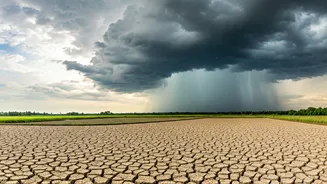
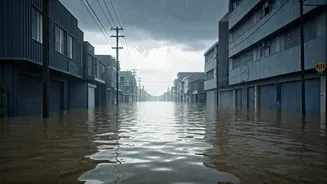
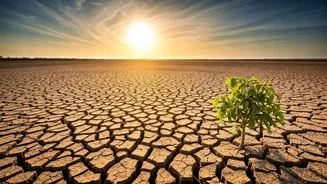
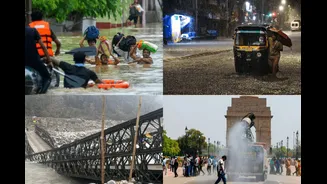
The relationship between heat and water stress is a two-way street. When temperatures soar, demand for water naturally increases. We drink more, use coolers, and irrigate farms more frequently. At the very same time, the intense heat is silently stealing
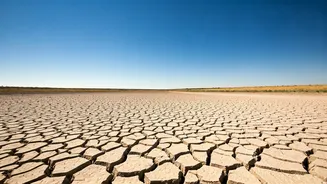
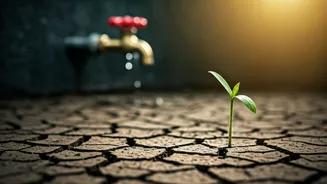
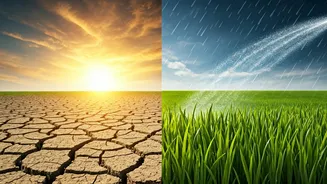
our water supply. It causes faster evaporation from rivers, lakes, and reservoirs, meaning precious water vanishes into the atmosphere. This dual pressure—rising demand and shrinking supply—creates a vicious cycle. The hotter it gets, the more water we need, and the less is available. It is a fundamental challenge that goes beyond just an uncomfortably hot summer, impacting the very foundation of our daily lives.
Our Food Supply Under Pressure
Nowhere is this strain more apparent than in agriculture. India is an agrarian nation, and farming consumes the vast majority of our freshwater resources. When heatwaves hit, they often coincide with periods of low rainfall, creating drought-like conditions. This forces farmers to rely more heavily on groundwater. Studies show that as temperatures warm, farmers adapt by intensifying groundwater withdrawals to meet the increased water demand from crops. This accelerated depletion threatens regions crucial for India's food production, like Punjab and Haryana. The result can be devastating: crop yields for staples like wheat and rice plummet, threatening food security and the livelihoods of millions.
The Urban Squeeze
India's rapidly growing cities are also on the front lines of this crisis. Many urban centres rely heavily on groundwater, but extraction rates far exceed natural replenishment. A NITI Aayog report warned that major cities like Delhi and Bengaluru are at risk of depleting their groundwater. The summer heat compounds this problem, leading to water rationing and a heavy reliance on water tankers. This urban water stress is not just a seasonal inconvenience; it is a systemic failure of infrastructure and planning. Furthermore, the increased use of air conditioning during heatwaves puts a massive strain on the electricity grid, which itself often depends on water for cooling power plants, tightening the squeeze on our resources.
The Hidden Health Costs
The connection between heat and water stress carries significant public health risks. The most direct impacts are heat-related illnesses like heatstroke and dehydration, with tens of thousands of cases suspected during intense heatwaves. However, the dangers run deeper. When water becomes scarce, sanitation can be compromised, leading to an increased risk of waterborne diseases like diarrhea. For many, especially women in rural areas who are often responsible for water collection, scarcity means travelling longer distances in scorching heat. This not only puts their health at risk but also represents a huge loss of time and energy.
Rethinking Our Water Future
Addressing this intertwined crisis requires a shift in perspective. It is not just about surviving the next heatwave but about building long-term resilience. This involves a combination of strategies, from large-scale infrastructure improvements to local community actions. Investing in climate-resilient and decentralised systems like rainwater harvesting and community-managed water storage is crucial, especially in rural areas. In cities, upgrading ageing pipe networks to prevent leaks and significantly increasing the treatment and recycling of wastewater are essential steps. For agriculture, promoting less water-intensive crops and more efficient irrigation techniques can help reduce the immense strain on our groundwater reserves.