






From city parks to local trails, a noticeable shift is underway. More people, from teenagers to seniors, are swapping indoor gyms for the great outdoors. This isn't just a fleeting trend; it's a movement driven by powerful, accessible benefits.
A Boost for Mental Well-being
One of
the most significant drivers of this trend is the profound impact on mental health. Exercising in a natural environment, often called 'green exercise', has been shown to deliver more psychological benefits than its indoor counterpart. Studies indicate that even just a few minutes of activity in a park can boost mood, increase feelings of revitalization, and lower stress. Exposure to nature helps reduce levels of cortisol, the body's primary stress hormone. This effect is powerful across all demographics. For young people navigating academic and social pressures, outdoor activity offers a respite and can improve concentration. For working adults, it’s a way to decompress from daily stressors, while for seniors, it can combat feelings of isolation and improve overall mood.
The Power of Community and Connection
Public green spaces are natural community hubs. Unlike the often solitary or intimidating atmosphere of a traditional gym, parks foster a relaxed and inclusive environment. This social dimension is a major draw for people of all ages. Parents can supervise their children on a playground while getting in a light workout, seniors form walking clubs that provide both exercise and companionship, and friends meet for group yoga or boot camp classes. The rise of outdoor fitness equipment in parks further encourages this social interaction, creating shared spaces where people can exercise together, offer encouragement, and build neighbourhood ties. This sense of belonging and shared activity is a powerful motivator that makes exercise feel less like a chore and more like a positive social event.
Unbeatable Accessibility and Affordability
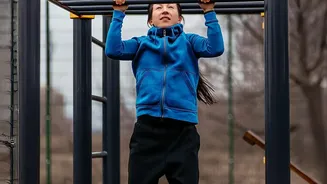
In an era of rising living costs, the financial barrier to fitness is a real concern for many. Gym memberships, specialized classes, and expensive equipment can be prohibitive. Public parks offer a compelling, cost-free alternative. Most green spaces are free to use, and many now feature publicly funded outdoor gym equipment, from simple pull-up bars to more advanced resistance machines. This democratization of fitness means that people from all socioeconomic backgrounds have the opportunity to stay active. Furthermore, parks are typically located within residential areas, making them easily accessible by foot or bike and eliminating the need for a lengthy commute to a fitness centre. This convenience makes it easier for people to incorporate physical activity into their daily routines.
Endless Variety for Every Generation
A key reason for the broad, cross_generational appeal of outdoor exercise is its sheer versatility. A single park can cater to a vast range of fitness levels and interests simultaneously. Wide open fields are perfect for a game of football for teenagers or a gentle stroll for an elderly couple. Paved pathways welcome runners, cyclists, and parents with strollers. Modern outdoor fitness zones are often designed to be used by people of all abilities, from seasoned athletes to beginners. This adaptability allows families to be active together, with each member engaging in an activity suited to their age and capability. A child can be on the swings, their parent can use the outdoor leg press, and a grandparent can walk laps on a nearby track—all within the same welcoming environment.