





A Monsoon Ritual
While tomatoes are available almost year-round in India, the monsoon season transforms the act of pickling from a simple chore into a comforting ritual. As the rain falls outside, the warmth of the kitchen and the aroma of spices create a sense of cosiness
and nostalgia. July, with its often-enforced indoor days, offers the perfect opportunity for the patient and rewarding process of pickle-making. It’s a time-honoured tradition in many Indian households to preserve the bounty of vegetables, ensuring a supply of vibrant, flavourful accompaniments for the leaner months. The process itself is a celebration of culinary heritage, a way to connect with the methods passed down through generations.
Choosing the Perfect Tomatoes
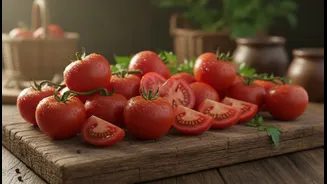
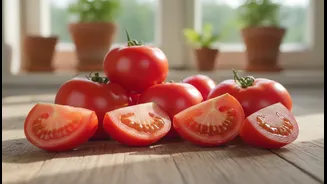
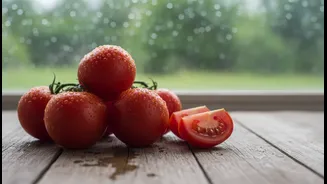
The foundation of a great tomato pickle is, unsurprisingly, the tomato itself. For a rich, flavourful pickle with a good shelf life, look for ripe, firm, and fleshy tomatoes. Varieties like Roma or other local, less watery types are ideal because they have more pulp and fewer seeds, which results in a thicker, more concentrated pickle. While beautiful, juicy salad tomatoes might seem appealing, their high water content can dilute the pickle and affect its longevity. Some traditional recipes even call for green, unripe tomatoes, which offer a tarter, firmer alternative that holds its shape well after cooking. Regardless of which you choose, ensure they are fresh and free from blemishes.
The Magic of Masalas
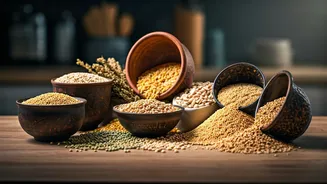
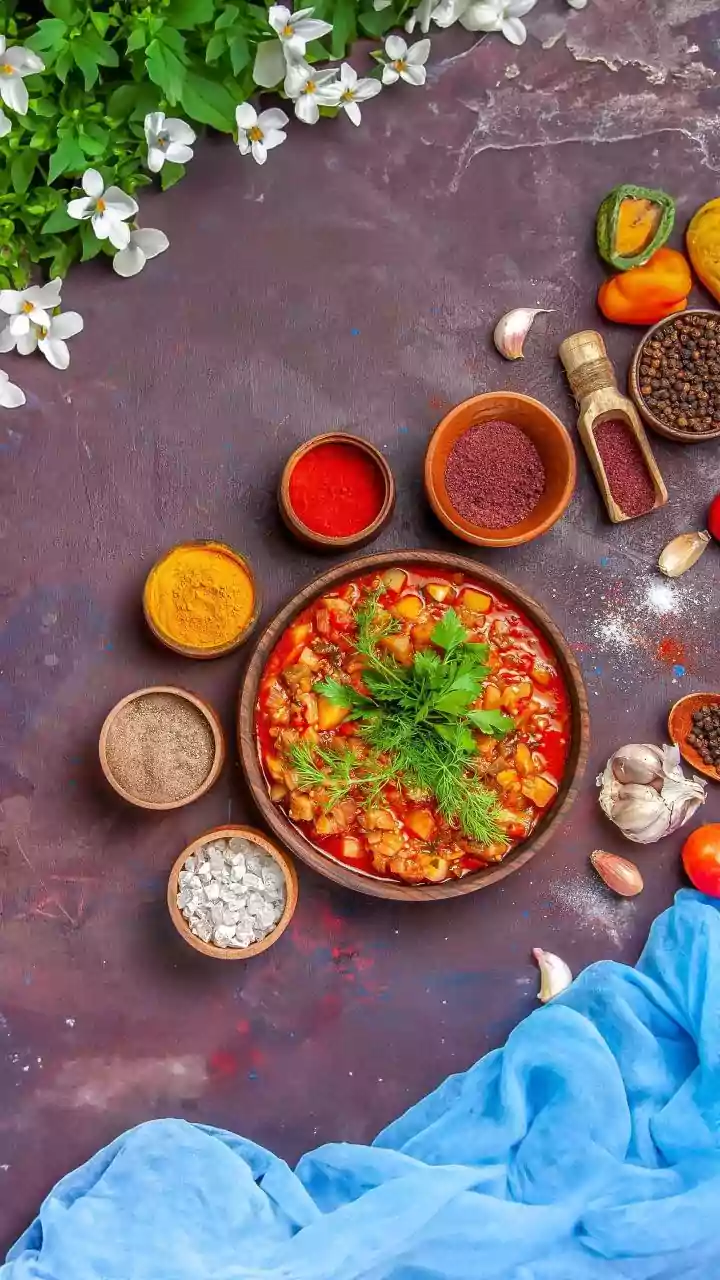
What elevates a simple tomato into the realm of 'achaar' is the masterful blend of spices. While recipes vary across regions and families, a few key ingredients are fundamental to creating that classic pickle flavour. Sesame oil (gingelly oil) is the preferred medium in South India, prized for its nutty flavour and preservative qualities, while mustard oil is common in the North. Essential spices include mustard seeds (rai), fenugreek seeds (methi), and asafoetida (hing). Roasting fenugreek seeds before grinding them helps to mellow their bitterness. Turmeric provides colour and earthy notes, while a generous amount of red chilli powder gives the pickle its characteristic heat. Many recipes also use tamarind to add a sour tang and further aid in preservation.
Your First Batch: A Simple Guide
Making tomato pickle might seem intimidating, but the cooked version is quite approachable for beginners. Start by washing and thoroughly drying your tomatoes to prevent spoilage. The basic process involves cooking down chopped tomatoes until they soften and the moisture reduces. Spices like red chilli powder and salt are then added. The true magic happens during the tempering, or 'tadka'. Hot oil is infused with mustard seeds, asafoetida, and sometimes curry leaves and garlic, before being poured over the cooked tomato mixture. This step not only adds a layer of complex flavour but also helps in preserving the pickle. The mixture is then cooked a little longer until the oil begins to separate from the tomato paste—a visual cue that your pickle is ready.
Patience and Preservation
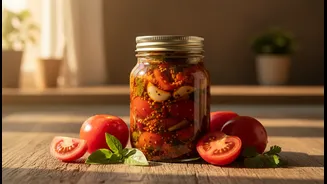
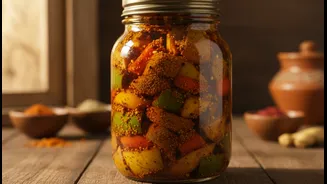
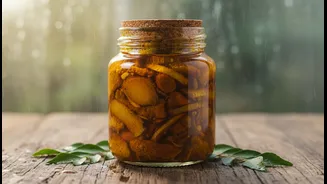
Once cooked, the pickle must be cooled completely before being transferred to a clean, dry, and airtight glass jar. This is a crucial step, as any moisture or contaminants can lead to mould. While it’s tempting to dig in right away, many believe that tomato pickle tastes even better after it has been allowed to rest for a few days. This resting period allows the flavours to meld and deepen, creating a more rounded and intense taste. Stored properly in the refrigerator, a batch of homemade tomato pickle can last for months, offering a spicy, tangy kick to elevate everyday meals like dal-rice, curd rice, rotis, and dosas.