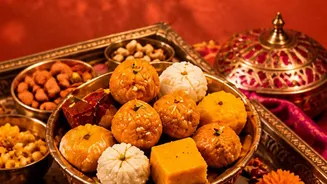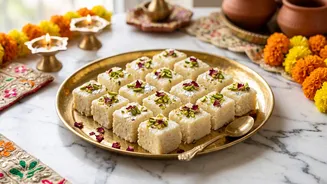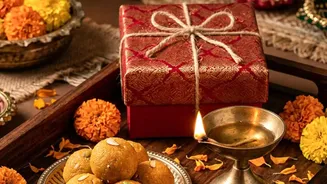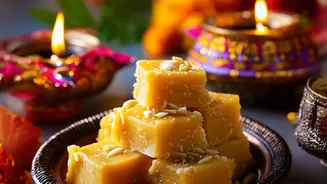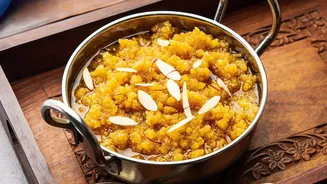




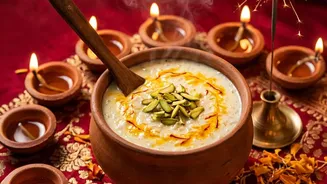
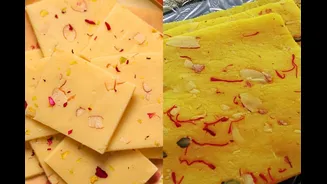
Bhai Dooj is a celebration of the cherished bond between siblings, and no celebration is complete without sweets. This year, instead of reaching for the store-bought, why not create something truly special: a warm, rich Moong Dal Halwa.
A Sweet Gesture of Love
The festival of
Bhai Dooj, which follows Diwali, is steeped in tradition, love, and of course, delicious food. At the heart of the celebration is the act of a sister applying a 'tilak' on her brother's forehead, wishing him a long and prosperous life. In return, brothers offer gifts and a promise of protection. Sweets are central to this exchange, symbolizing the sweetness of the sibling bond and shared prosperity. While any sweet is a welcome treat, a homemade one carries a special weight of affection and effort, making it a memorable part of the festivities.
Why Moong Dal Halwa?
Among the pantheon of Indian desserts, Moong Dal Halwa holds a special place. A delicacy from Rajasthan, it is a rich, pudding-like dessert known for its unique, melt-in-the-mouth texture and aromatic flavour. It's considered a celebratory dish, often made during winter months and for special occasions. Making Moong Dal Halwa is a labour of love that requires patience, as the ground lentils must be slow-roasted in ghee until fragrant and golden. This very effort is what makes it such a fitting and heartfelt offering for a festival celebrating one of life's most precious relationships.
Gathering Your Ingredients
To begin this culinary gesture, you will need a few key ingredients. The star is, of course, yellow moong dal (split and skinned mung beans). You will also need a generous amount of good quality ghee, which is essential for the halwa's distinct flavour and texture. Sugar provides the sweetness, while milk or a combination of milk and water will be used to cook the lentils into a creamy consistency. For aroma and flavour, have cardamom powder and a few strands of saffron ready. Finally, for garnish, roasted nuts like almonds and cashews add a delightful crunch.
Your Step-byStep Guide
First, wash and soak about a cup of moong dal for at least three to four hours. Drain the water completely and grind the dal into a slightly coarse paste; it should not be perfectly smooth. Now, heat a generous amount of ghee in a heavy bottomed, non stick pan over a medium flame. Some recipes suggest adding a tablespoon of sooji (semolina) at this stage and roasting it for a minute to enhance the texture. Next, add the moong dal paste. This is the most crucial part: you must continuously stir and roast the dal paste on a low to medium flame. This process can take around 20–30 minutes. The mixture will first become lumpy, then crumbly, and finally turn a beautiful golden–brown colour, releasing a nutty aroma. Once roasted, slowly add a warm mixture of milk and sugar, stirring constantly to avoid lumps. The halwa will absorb the liquid and thicken. Continue cooking until it forms a mass and starts to leave the sides of the pan.
Tips for Halwa Perfection
Patience is key; do not rush the roasting process, as this develops the flavour. Using a non stick or heavy bottomed pan is highly recommended to prevent the dal from sticking and burning. Don't be shy with the ghee; reducing it too much can result in a dry halwa and make the roasting process difficult. Many experts advise adding ghee in stages for the best result. For the richest flavour, add saffron strands soaked in a little warm milk, and finish with a sprinkle of cardamom powder and roasted nuts just before serving. The halwa is best enjoyed warm.