






Become a Master Meal Planner
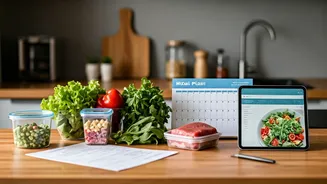
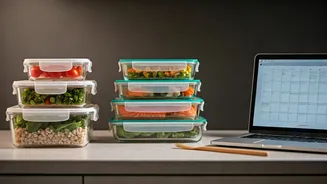
The single most effective way to control your food budget is to plan your meals. Before you even think about stepping into a grocery store, take 30 minutes to decide what you’ll eat for the week. This isn’t about creating a rigid, boring schedule; it’s
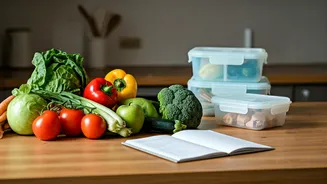
about creating a roadmap. Check what you already have in your pantry and fridge. Are there half-used vegetables or a bit of dal left? Build your first few meals around those items. This simple act prevents impulse buys and reduces food waste, two of the biggest budget-killers. A weekly plan—even a loose one—gives you a precise shopping list, ensuring you buy only what you need. It transforms you from a reactive shopper into a proactive one.
Embrace Seasonal and Local Produce
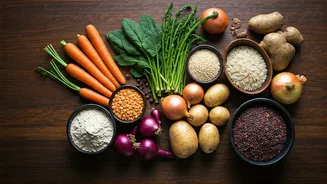
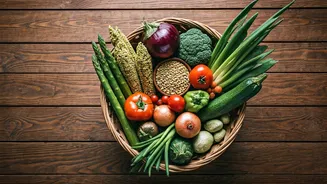
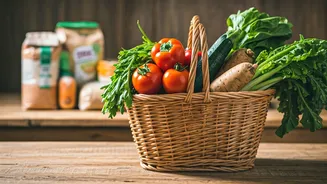
Fruits and vegetables that are in season and grown locally are almost always cheaper, fresher, and more nutritious. When produce doesn't have to travel long distances, the cost of transportation and storage is significantly lower, and those savings are passed on to you. Visit your local sabzi mandi or farmers' market to see what's abundant. In winter, you’ll find carrots, peas, and leafy greens like spinach and methi at their best prices. In summer, look for gourds, bhindi, and mangoes. Eating seasonally not only benefits your budget but also provides your body with a diverse range of nutrients throughout the year, just as nature intended.
Make Pulses and Dals Your Best Friends
For a country that has perfected the art of cooking them, dals and pulses remain the undisputed champions of budget-friendly nutrition. Lentils, chickpeas, rajma, and other legumes are packed with protein, fibre, and essential minerals. Compared to meat and even paneer, they offer incredible nutritional value for a fraction of the cost. A hearty dal can be the centrepiece of a meal, not just a side dish. Experiment with different types—from masoor to moong to urad—to keep things interesting. Sprouting legumes at home is another fantastic way to boost their nutritional content for virtually no extra cost.
Shop Smart, Not Just Often
Your shopping strategy matters. First, never shop on an empty stomach; it’s a proven recipe for impulse buys. Second, stick to your list. Supermarkets are designed to make you spend more, with tempting offers on processed foods and snacks placed at eye level and near checkout counters. Train yourself to look at the unit price (price per kg or per 100g) rather than just the final price, especially when buying packaged goods. This helps you accurately compare value between different brands and sizes. Buying staples like rice, atta, and dals in bulk can also be cheaper in the long run, provided you have the storage space and will use them before they expire.
Cook in Batches and Love Your Leftovers
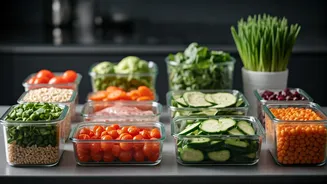
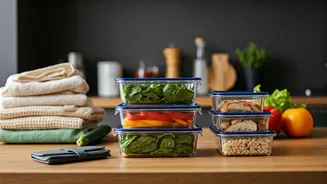
Cooking every single meal from scratch is exhausting and often inefficient. Instead, try batch cooking. On a Sunday, you could cook a large pot of dal, prepare a base gravy for curries, and boil some potatoes or chickpeas. These components can then be quickly assembled into different meals throughout the week. This saves time, energy, and money, as cooking in larger quantities is more cost-effective. Furthermore, learn to love your leftovers. Last night’s sabzi can become a filling for a paratha or a sandwich for lunch the next day. Reimagining leftovers as ingredients for a new dish is a creative way to ensure nothing goes to waste.
Reduce Kitchen Waste to Zero
Every bit of food you throw away is like throwing money in the bin. Get into the habit of using vegetables from root to stem. Broccoli stalks can be chopped up and thrown into stir-fries or soups. Coriander stems, which are often discarded, are packed with flavour and can be ground into chutneys. Store fresh produce correctly to extend its life—keep leafy greens wrapped in a damp cloth or paper towel in the fridge. Use a 'first-in, first-out' system for your pantry and fridge so that older items get used up before they spoil. This conscious effort to minimise waste can lead to surprising savings over time.