







Why Raw Salads Are a Monsoon Gamble
The monsoon season, while offering respite from the heat, creates a perfect breeding ground for bacteria and other pathogens. High humidity and damp conditions allow microbes to thrive on the surface of fresh produce, especially leafy greens like lettuce
and spinach. Rainwater can contaminate soil and irrigation sources, increasing the likelihood that harmful bacteria such as E. coli and Salmonella are present on vegetables. These greens, with their many folds and crevices, can trap dirt, germs, and even tiny insects, making them difficult to clean thoroughly. Furthermore, our digestive systems tend to slow down during the monsoon, making us more susceptible to stomach infections, bloating, and food poisoning from contaminated raw foods. While a thorough wash is always recommended, experts often advise limiting or avoiding raw salads during this season as an extra precaution.
The Simple Power of Sautéing
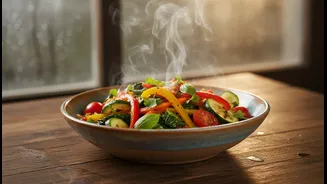
The good news is you don’t have to give up on greens entirely. The solution is simple: apply heat. Cooking vegetables is one of the most effective ways to kill harmful bacteria and reduce the risk of foodborne illnesses. Sautéing, in particular, is an excellent method. It’s quick, uses minimal oil, and helps retain a pleasant texture in the vegetables. Heat breaks down the tough cell walls of plants, which can actually make certain nutrients more available for your body to absorb. For example, the beta-carotene in carrots and spinach becomes more accessible after cooking. Cooked vegetables are also gentler on the digestive system, which is a significant advantage during the monsoon when digestion can be sluggish. By switching from a cold, raw salad to a warm, flavourful sauté, you get the nutritional benefits without the microbiological risks.
Monsoon Greens: Your New Best Friends
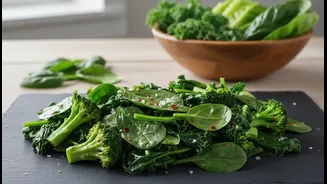
While some delicate greens don't grow well in the heavy rains, the monsoon offers a variety of robust, local leafy vegetables that are perfect for cooking. Look for spinach (Palak), which is rich in iron and vitamins. Fenugreek leaves (Methi), though slightly bitter, are excellent when sautéed with garlic and spices. Amaranth leaves (Chaulai or Lal Maath) are another fantastic, resilient monsoon green packed with calcium and iron. Beyond the typical choices, you can explore regional specialties like Malabar spinach (Poi Saag), which is great for bone health, or Colocasia leaves (Arbi Patta), an absolute monsoon must-have in many regions. Gourds like bottle gourd (lauki) and ridge gourd (turai) are also excellent, safe choices for this season as they are easy to clean and cook. These alternatives are not only safer but also provide the essential nutrients needed to boost your immunity during the rainy months.
Mastering the Perfect Sauté
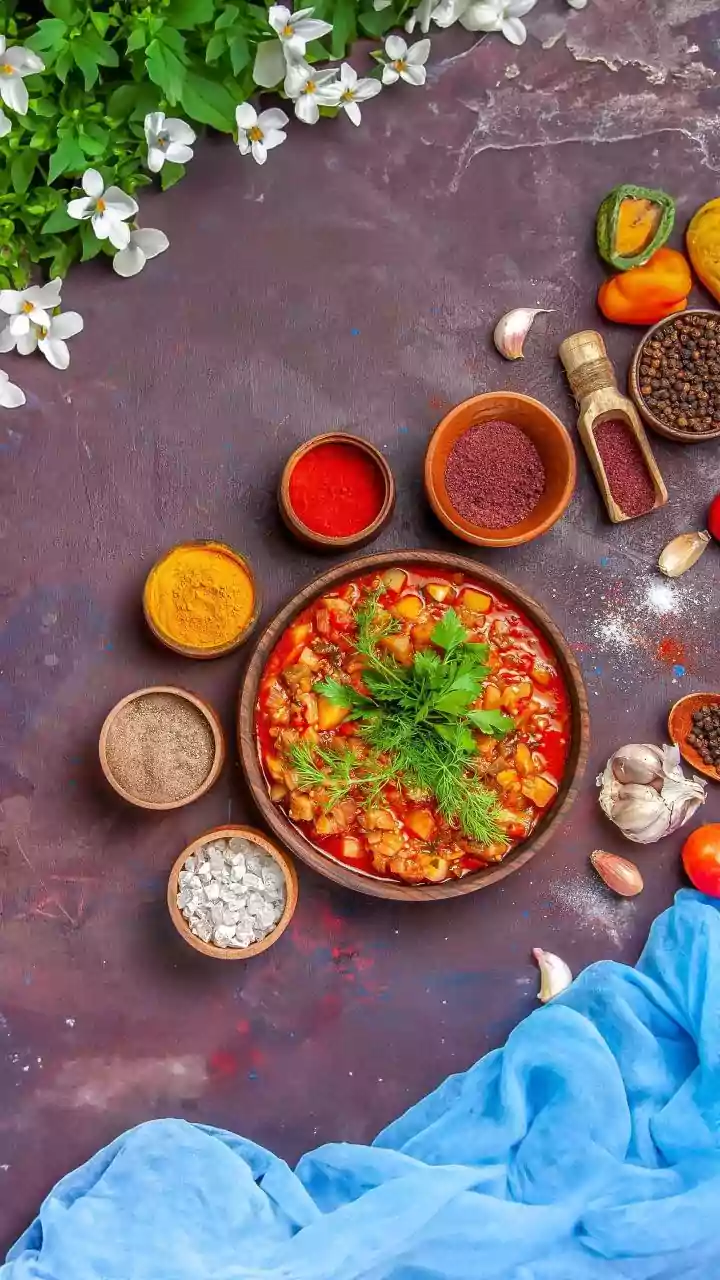
Creating a delicious sauté is quick and easy. Start by washing your greens thoroughly. Even though you are cooking them, a good rinse under running water is crucial to remove dirt. You can also soak them in a bowl of water with a tablespoon of salt for about 10-15 minutes to help dislodge any hidden debris. After washing, pat them dry. Heat a tablespoon of oil in a pan. Mustard oil or vegetable oil works well. Add your flavourings—a classic Indian tempering (tadka) of cumin seeds, mustard seeds, chopped garlic, ginger, and green chillies is a great start. Once they sizzle and become aromatic, add your chopped greens. Stir-fry on medium-high heat for just a few minutes until the leaves wilt but still retain a vibrant green colour and a slight bite. Don't overcook them into a mush. Finish with a pinch of salt, a dash of turmeric, and perhaps a squeeze of lemon juice to brighten the flavours. This simple technique transforms humble greens into a comforting, safe, and nutritious monsoon meal.