





The Core Principle: Function Over Form
For decades, the standard organizing advice has been to group like with like: all batteries in one box, all books on one shelf, all spices in one rack. While logical on the surface, this method often ignores a crucial factor: how you actually live. A
more streamlined approach is to organize based on how often an item leaves the shelf. This principle states that your most accessible spaces—your 'prime real estate'—should be reserved for the things you use daily or weekly. The logic is simple: placing high-frequency items in the most convenient spots reduces friction in your daily routines, saving you time and mental energy. Think of it like a grocery store; the milk and bread are always in a predictable, easy-to-access location because they are high-turnover items. Your home can benefit from the same logic.
Creating Your Usage Zones
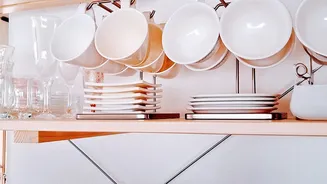
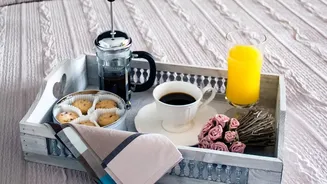
To put this into practice, divide your belongings into several 'urgency zones'. This concept helps you assign a proper home for everything you own based on its role in your life. A popular way to frame this is through a four-zone system: 1. Everyday Zone: These are the items you use daily, without exception. Think keys, wallet, phone, your favourite coffee mug, or the cooking oil you use for every meal. These items should be in plain sight or within immediate reach, like a tray by the door or on an open countertop shelf. 2. Frequent Use Zone: This includes things you use several times a week, like workout clothes, specific kitchen gadgets, or your laptop charger. They deserve a home in easily accessible drawers or front-facing cabinet shelves. 3. Infrequent Use Zone: Here live the items for monthly or occasional tasks. This could be a specialty baking pan, board games, or a formal outfit. These can be stored on higher shelves, at the back of cupboards, or in designated closets. 4. Archival Zone: This zone is for items you rarely need but must keep, such as seasonal decorations, old tax returns, or sentimental keepsakes. The attic, basement, or the very top of a closet are perfect for these 'deep storage' items.
How to Conduct a Usage Audit
Before you can assign items to zones, you need to honestly assess how often you use them. Start with a single, high-traffic area like your kitchen or wardrobe. For clothes, try the 'hanger trick': turn all your hangers one way. After you wear an item, turn the hanger the other way. After a few months, you'll have a clear visual of what you actually wear. For other items, you can use the 'box method'. Empty a cluttered drawer or shelf into a box. For the next month, only take items out as you need them. At the end of the month, you'll see what you genuinely use, while the rest are candidates for a less accessible storage zone or donation. The goal isn't to get rid of everything, but to ensure the space you have is working for you, not against you.
Putting It All Together, Room by Room
Let's apply this to a few areas. In the kitchen, the coffee maker you use daily earns its countertop spot, but the food processor used twice a year can live in a pantry or lower cabinet. Spices you use in every dish should be next to the stove, not alphabetized in a drawer across the room. In your home office, a pen you use daily stays on the desk; the bulk pack of refills goes in a supply closet. This isn't about achieving a minimalist aesthetic devoid of personality, but about creating a system that supports your lifestyle. An effective organization method stops clutter before it starts by giving every item a logical address, making it easy for anyone in the household to find things and, more importantly, put them away.