



Decoding That Unwanted Metallic Taste
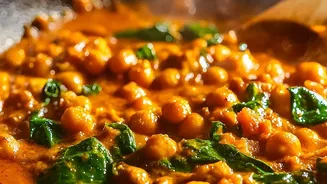
You’re not imagining it. That slightly metallic or overly sharp flavour that can develop in leftover tomato-based curries, dishes with tamarind, or anything with a generous squeeze of lemon is a real phenomenon. It’s often the first sign of a chemical
reaction happening right inside your fridge. This off-taste is rarely a sign of dangerous bacterial spoilage, but it is a clear signal about food quality. Essentially, the natural acids in your food are interacting with the container they are stored in. This is especially common with certain types of metal or even poor-quality plastic containers. The taste is your palate detecting tiny, leached particles from the container. While generally not considered a major health risk in small instances, it certainly compromises the flavour of the meal you worked so hard to cook and save.
The Simple Science of Acidity
Many staples of Indian cuisine are acidic. Tomatoes, tamarind, yogurt, kokum, vinegar, and citrus fruits all fall on the acidic side of the pH scale. This acidity is fantastic for flavour, balancing richness and adding brightness to a dish. It also acts as a natural preservative, helping to slow the growth of some microbes. However, this same acidic property makes these foods reactive. When they are placed in containers made from certain materials, like aluminum or lower-grade stainless steel, the acid can slowly dissolve or leach trace amounts of metal into the food. The longer the food is stored, the more pronounced this effect can become. This is why a curry might taste perfect on day one but develop a tinny flavour by day three. It is a simple chemical interaction, but one that has a direct impact on how your leftovers taste.
Using Your Senses as a Guide
The headline’s advice is spot on: your taste buds are a powerful tool. Think of them as your personal food quality detectors. If you taste a metallic note where there wasn't one before, it's a clear indication that your container is not a good match for the food inside. It’s a message to switch your storage strategy. It’s important to distinguish this from the taste of spoilage. Bacterial contamination often results in an unpleasantly sour, rancid, or 'off' flavour that is far more alarming than a simple metallic tang. Your sense of smell will often pick up on spoilage first. A metallic taste is a quality issue; a spoiled taste is a safety issue. For safety, the golden rule always applies: when in doubt, throw it out. But for quality, a metallic taste is an actionable piece of data pointing you toward a better storage solution.
The Best Storage Containers for an Indian Kitchen
Choosing the right container is the single most effective way to prevent that unwanted metallic taste. Here’s a simple guide for your acidic dishes:
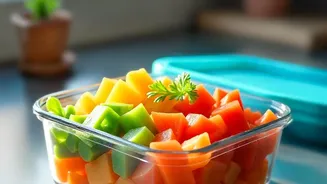
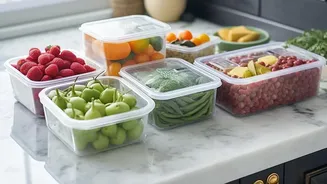
The Gold Standard: Glass. Glass is inert, meaning it won’t react with acids. It’s also non-porous, so it won’t absorb flavours or stains from your food. Investing in a set of glass containers with airtight lids is one of the best upgrades you can make for your kitchen.
A Solid Choice: High-Quality Stainless Steel. Food-grade stainless steel is generally non-reactive and a durable, lightweight option. However, quality matters. Cheaper or scratched steel containers can potentially leach metals.
Use with Caution: Plastic. While convenient, plastic can be problematic. It can absorb stains and odours, and lower-quality plastics can leach chemicals, especially when interacting with oily or acidic foods.
Avoid for Storage: Aluminum and Opened Cans. Never store acidic leftovers in aluminum containers or aluminum foil for long periods, as it is highly reactive. Similarly, once you open a can of tomatoes or anything else, transfer the leftovers to a glass or steel container immediately. The can's lining can become compromised once opened, allowing the food to react with the metal underneath.
Three Golden Rules for All Leftovers
Beyond choosing the right container, following fundamental food safety rules is crucial for keeping all your leftovers safe and delicious. First, cool food rapidly before storing it. To do this, divide large batches of curry, dal, or rice into smaller, shallower containers. This allows the heat to dissipate quickly, moving the food out of the temperature “danger zone” (between 40°F and 140°F) where bacteria thrive. Second, refrigerate everything within two hours of cooking. Make sure your fridge is set to 40°F (4°C) or below. Finally, aim to consume refrigerated leftovers within three to four days for the best quality and safety. When you’re ready to eat, reheat the food thoroughly to an internal temperature of at least 165°F (74°C) to kill any potential bacteria.