






The Soaring Cost of a Festive Trip
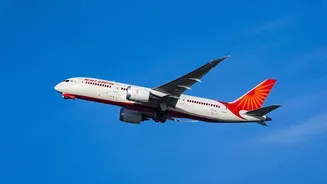
Travellers planning their festive journeys for Diwali and the year-end holidays are facing significant price hikes. Airfares on major domestic routes have surged, in some cases by as much as 68% compared to the previous year. For example, last-minute
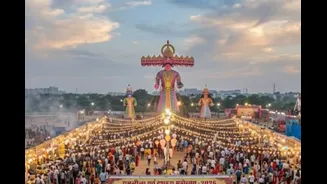
tickets for the Dussehra travel period in mid-October saw fares on routes like Mumbai to Delhi jump to over ₹16,000, nearly triple the off-peak rate. Similar increases are being seen for the upcoming Diwali period, with one-way fares from Bengaluru to Patna reportedly crossing ₹26,000. This sharp rise is putting financial pressure on families and individuals for whom festive travel is an annual tradition. The increases are not uniform but are most pronounced on routes connecting major metros to hometowns in other states, reflecting the concentrated demand.
Demand Remains Unshakeable
Despite the sticker shock, the desire to travel appears stronger than ever. Travel and hospitality have emerged as one of the top three spending categories for the festive season, accounting for 24% of planned expenditures. Travel booking platforms are reporting a substantial uptick in both searches and confirmed bookings. Airbnb, for instance, noted a nearly 40% year-on-year increase in domestic festive-season travel searches by Indian users. This demand isn't just for visiting family; popular leisure destinations like Goa, Ooty, and Mahabaleshwar are also seeing a surge in bookings, with hotel rates climbing in response. The data paints a clear picture: for a large segment of the population, the higher cost is a hurdle, but not a barrier.
The 'Why' Behind the Splurge
Several factors are fuelling this resilient demand. For many, festive travel is a non-negotiable emotional investment, a time for family reunions that were disrupted over the past few years. This sentiment transforms the expense from a discretionary spend into an essential one. Furthermore, a phenomenon often termed 'revenge travel' still seems to have a lingering effect, with consumers eager to make up for lost time and experiences. While some households report anxiety about their finances, a significant portion of consumers are still planning to spend more this festive season than last year. This suggests that many are willing to dip into savings or adjust other expenses to accommodate their travel plans, prioritising connection and celebration over cost-cutting.
An Industry Under Pressure
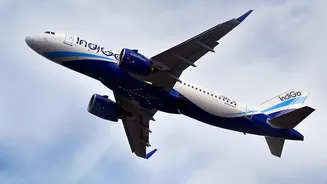
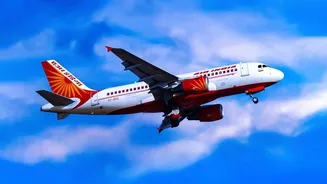
The price hikes are not solely a case of airlines capitalising on demand. The industry is facing a perfect storm of operational challenges. A primary driver is the elevated cost of Aviation Turbine Fuel (ATF), which can constitute up to 40% of an airline's operating expenses. This has forced carriers to pass on costs to consumers. Compounding this is a mismatch between demand and supply. While you might expect airlines to add more flights to meet festive demand, some major carriers like IndiGo and Air India have actually reduced capacity slightly compared to last year. This is due to a global aircraft shortage and delivery delays, which limit how quickly airlines can expand their fleets. With more people wanting to fly on fewer available seats during a concentrated period, prices inevitably rise.
How Travellers Are Adapting
While the overarching trend is one of strong intent, travellers are not entirely passive. There is a growing shift towards 'drive-to' holidays, with improved highway connectivity making road trips a more attractive option for regional travel. Some are also showing flexibility, with data indicating that flying on the day of Diwali itself can be significantly cheaper than travelling on the days immediately preceding it. Others are booking trips to alternative or emerging destinations, including spiritual hubs like Varanasi, which has seen a rise in interest among younger Gen Z travellers. These adaptations show that while the will to travel is strong, consumers are also becoming smarter about how they manage the associated costs, seeking value where they can find it without cancelling their plans altogether.