

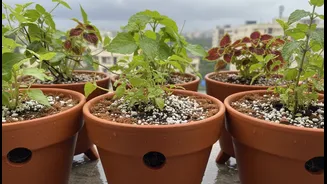
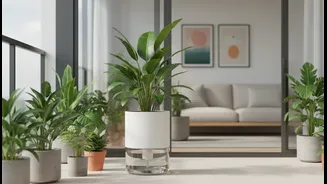
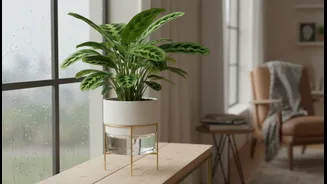


What Exactly Are Self-Watering Systems?
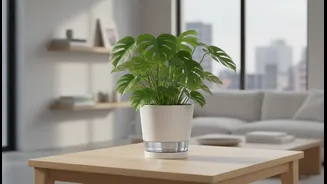
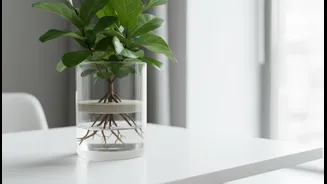
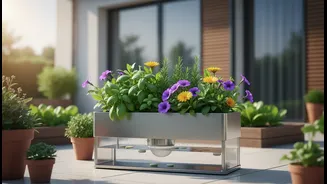
A self-watering system is essentially a planter with a built-in water reservoir that supplies moisture to your plants as they need it. Instead of watering from the top and guessing if you've given too much or too little, this method allows the plant to draw
water from the bottom up. This approach solves two of the biggest challenges in container gardening: overwatering and underwatering. The goal is to create a consistent and reliable source of hydration, taking the daily guesswork out of plant care and making gardening more accessible for everyone.
How Do They Actually Work?
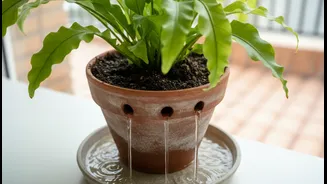
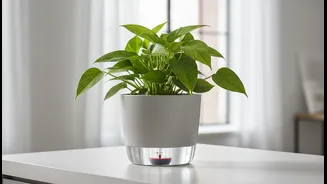
The magic behind most self-watering pots is a scientific principle called capillary action. These containers typically have two main parts: an upper chamber for the soil and plant, and a lower reservoir for water. A 'wicking' system, which can be a piece of absorbent rope or even a column of soil packed into a basket, connects the two. This wick draws water from the reservoir up into the soil whenever the soil begins to dry out. The plant's roots then absorb this moisture as needed. Many designs also include an overflow hole to prevent the reservoir from being overfilled, which protects the plant roots from becoming waterlogged.
The Key Benefits for Busy Gardeners
The most obvious advantage is convenience. These systems significantly reduce how often you need to water, sometimes from daily to weekly or even less. This is a game-changer for people with hectic schedules or those who travel frequently. Beyond saving time, these systems promote healthier plants. The consistent moisture reduces plant stress, encourages stronger root growth, and can lead to more vibrant foliage and blooms. It also helps prevent common issues like root rot from overwatering and leaf browning from underwatering. Furthermore, because the water is enclosed in a reservoir, less is lost to evaporation, making it a more water-efficient choice.
Types of Systems to Consider
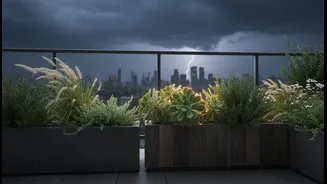
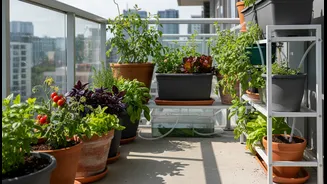
There is a wide variety of self-watering solutions available. The most common are all-in-one self-watering pots and planters, which come in various materials and styles. For those who enjoy a bit of DIY, simple wicking systems can be created using everyday materials like plastic bottles and string. Watering globes or terracotta spikes are another easy option; you fill them with water and stick them into the soil, where they release moisture slowly. For larger collections of plants on a balcony or terrace, a drip irrigation system can be a worthwhile investment. These can range from simple gravity-fed setups to more advanced automated kits.
Choosing the Right Plants
While many plants thrive in self-watering containers, they are not a one-size-fits-all solution. These systems are ideal for plants that prefer consistently moist soil. This includes many popular houseplants in India like money plants (pothos), spider plants, peace lilies, and ferns. Many herbs such as basil, mint, and parsley also do exceptionally well, as do vegetables like tomatoes, spinach, and lettuce. However, plants that need their soil to dry out completely between waterings, such as succulents, cacti, and rosemary, are generally not good candidates for these systems as the constant moisture can lead to root rot.