


The Golden Hour of Himalayan Travel
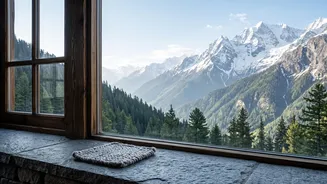
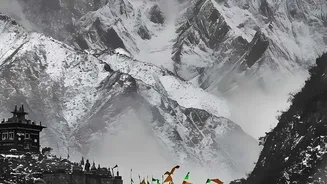
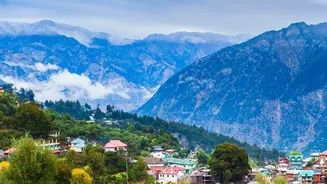
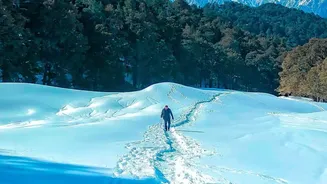
November in the Himalayas is a well-kept secret, a serene window between the departure of monsoon clouds and the arrival of heavy winter snow. This shoulder season offers some of the clearest skies of the year, perfect for soaking in panoramic views of snow-dusted
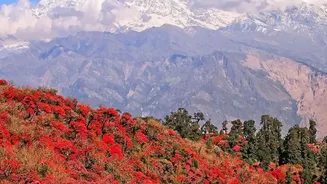
peaks. The air is crisp and clean, the summer crowds have vanished, and a tranquil atmosphere settles over the valleys. Temperatures in lower-altitude villages are often pleasant during the day, hovering between 10°C and 20°C, making it ideal for leisurely walks and exploration. The landscape, touched by late autumn, glows in shades of gold and amber, presenting a visual spectacle quite different from the lush greens of summer or the stark white of deep winter.
Fewer Footprints, Deeper Connections
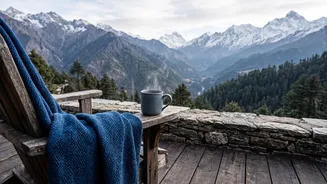
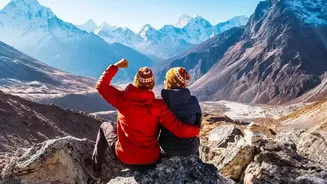
One of the greatest rewards of travelling in November is the profound sense of peace. With the peak-season rush over, popular trails and viewpoints are refreshingly quiet. This solitude allows for a more personal and reflective experience with nature. But the quietness extends beyond the trails; it fosters a unique social environment. Village life returns to its normal rhythm, and with fewer tourists around, interactions with local communities become more meaningful and unhurried. Homestay owners have more time to share stories, and you're more likely to be invited for a cup of tea and a genuine conversation, moving beyond a transactional tourist encounter to a real human connection.
Authentic Cultural Immersion
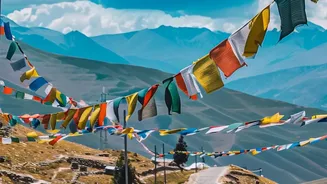
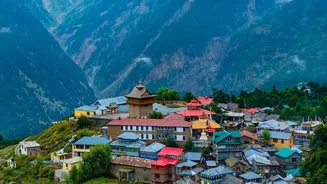
The off-season provides a front-row seat to authentic Himalayan life. Staying in a village homestay in places like Sarmoli in Uttarakhand or the smaller hamlets around Kalpa in Himachal Pradesh becomes a truly immersive experience. You can witness daily routines, from families preparing for the winter to artisans working on traditional crafts like weaving or wood carving. Many homestay experiences are built around this cultural exchange, allowing you to learn about local cuisine by joining a cooking session or understanding the region's ecology on a guided nature walk. You are no longer just a visitor passing through; you become a temporary part of the village fabric, experiencing a way of life that has remained unchanged for centuries.
Practical Perks and Savvy Travel
Beyond the experiential benefits, a November trip is also a smart financial decision. With lower demand, the prices for flights, accommodation, and even guided tours often drop significantly. This allows you to extend your stay or opt for more comfortable lodging without stretching your budget. This sustainable approach to travel also benefits the local economy by providing income during a typically slower period, helping to support businesses year-round. The slower pace means you won’t have to compete for the best rooms or rush through your itinerary, making for a more relaxed and fulfilling journey.
Planning Your November Escape
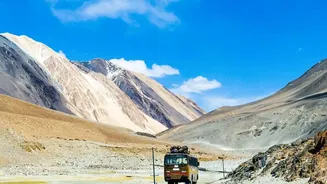
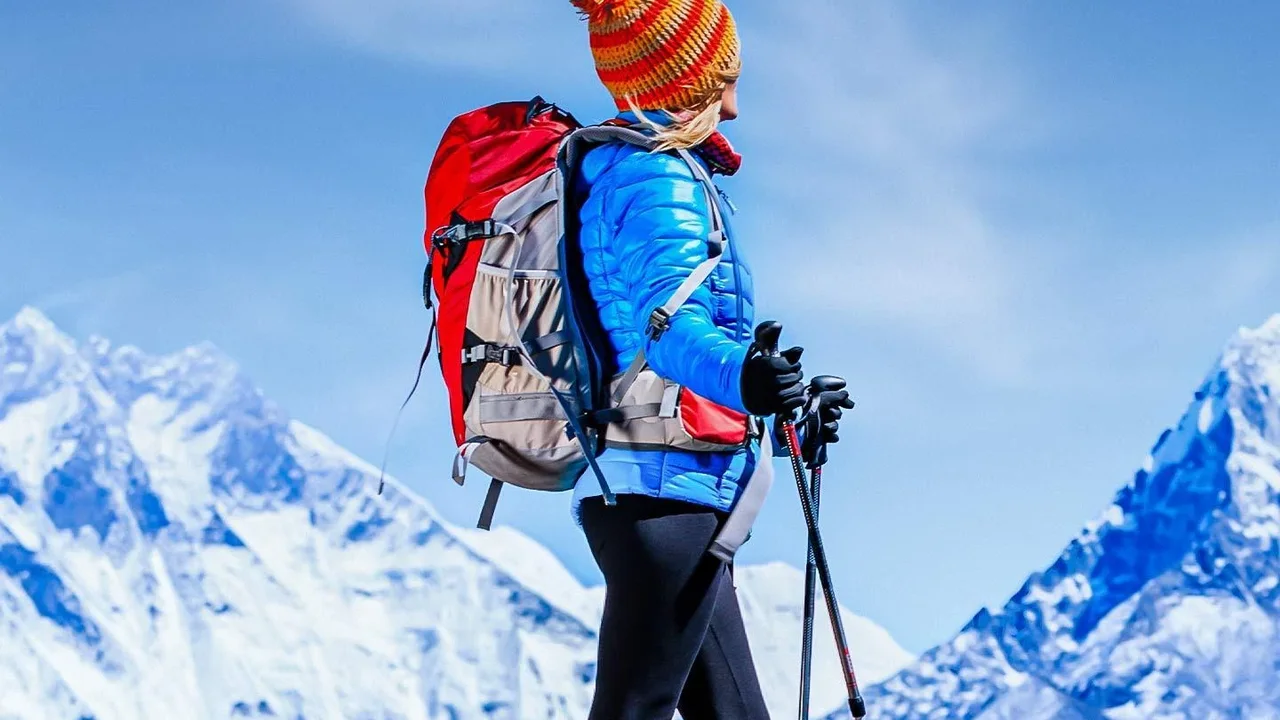
While November is ideal for many regions, it requires some planning. Focus on lower to mid-altitude destinations in states like Uttarakhand and Himachal Pradesh, such as Munsiyari, Chamba, or villages in the Parvati Valley, which remain accessible. Higher passes and some trekking routes may be closed due to early snowfall, especially later in the month. Pack in layers: warm jackets, thermals, and woolen caps are essential as night-time temperatures can drop below freezing. Days are usually sunny, but the weather can change quickly in the mountains. Ensure your chosen homestay or hotel has adequate heating for the cold nights. Check local conditions and road accessibility before you travel, especially if you plan to visit more remote areas.