



Curious about chair yoga but unsure where to start? This accessible practice swaps the mat for a chair, making it perfect for improving flexibility at any age or mobility level. Let’s explore what a beginner-friendly range of motion truly involves.
Understanding the 'Beginner-Friendly Range'
The
core principle of a beginner-friendly range in chair yoga is moving without pain. It’s about listening to your body and recognizing the difference between a gentle stretch and a strain. The goal is not to force yourself into a pretzel-like shape, but to gently encourage your joints and muscles to move more freely over time. This means starting slowly, breathing deeply with each movement, and never bouncing or jerking into a pose. The chair provides support, reducing the load on your joints and allowing you to focus on the sensation of the stretch itself, making it a safe entry point for those new to yoga or with physical limitations.
Foundational Movements for Spinal Mobility
A flexible spine is key to overall mobility. Two foundational movements in chair yoga are the Seated Cat-Cow and the Gentle Spinal Twist. For Cat-Cow, you sit tall with hands on your knees. As you inhale, you lift your chest and arch your back slightly (Cow). As you exhale, you round your spine, tucking your chin (Cat). This sequence warms up the entire spine. For a gentle twist, you sit tall and rotate your torso toward the back of the chair, using your hands for light support. The key is to twist from your ribs, keeping your hips facing forward, ensuring the movement is controlled and doesn't strain your lower back.
Stretches for Hips and Hamstrings
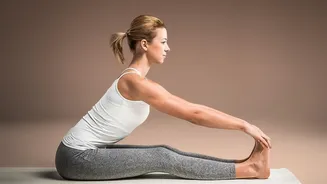
Prolonged sitting can lead to tight hips and hamstrings. Chair yoga offers effective, supported stretches to counteract this. A popular hip opener is the Chair Pigeon Pose (also called a Figure-Four stretch). You sit at the edge of your chair and place one ankle across the opposite thigh. To increase the stretch, you can gently lean forward while keeping your back straight. For the hamstrings, you can sit forward on the chair, straighten one leg with the heel on the floor and toes pointing up. Then, hinge forward from your hips with a flat back until you feel a gentle pull along the back of your leg.
Opening the Shoulders and Chest
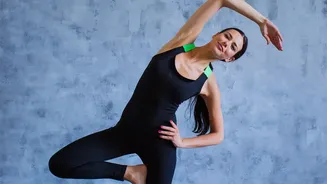
Tension often accumulates in the upper body. Simple chair yoga movements can provide significant relief. A Seated Side Bend involves reaching one arm overhead and gently leaning to the opposite side, creating length all along your side body. To open the chest, you can do a supported Back Bend by placing your hands on the seat behind you, rolling your shoulders back, and gently lifting your chest toward the ceiling. Another excellent exercise is making big, slow circles with your elbows to release shoulder stiffness. These movements help improve posture and can reduce aches related to slouching.
The Importance of Safe Practice
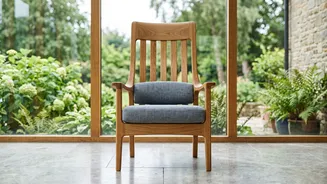
Safety is paramount in any form of yoga. Always use a sturdy, stable chair without wheels, preferably one without arms to allow for a greater range of movement. Ensure your feet can rest flat on the floor, using a block or book for support if needed. The 'beginner-friendly range' means stopping if you feel any sharp pain. Over time, consistent and gentle practice will naturally increase your flexibility and strength. While chair yoga is gentle, it's always wise to check with a healthcare provider before starting a new exercise routine, especially if you have pre-existing conditions like osteoporosis or have had recent surgery.