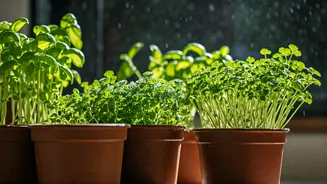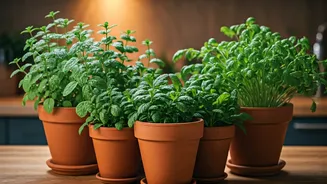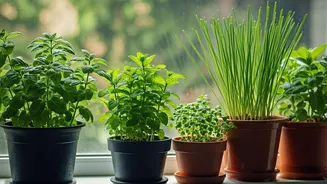



The Resilient Mint (Pudina)
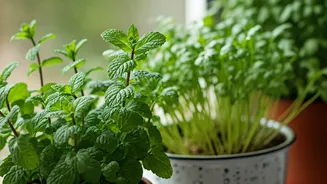
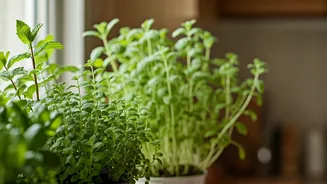
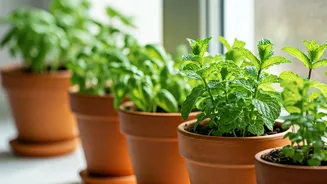
If you are looking for a herb that is practically indestructible, mint is your answer. Known for its rapid growth, pudina thrives in the cool, damp conditions of the Indian monsoon. It's an excellent choice for beginners and spreads quickly, giving you a lush
supply with minimal effort. You can easily grow it from a cutting taken from a bunch you bought at the market. Just place a few stems in a glass of water, and once roots appear, plant them in a pot. Mint prefers moist but not waterlogged soil, so a pot with good drainage is crucial. Place it on a windowsill that gets indirect sunlight, and you will have fresh leaves for your chai, chutneys, and raitas all season long.
The Sacred Holy Basil (Tulsi)
No Indian household is truly complete without a Tulsi plant. Revered for its medicinal properties, it is particularly beneficial during the monsoon, when its leaves can be used to make immunity-boosting teas and kadhas to ward off coughs and colds. Tulsi flourishes in the warm and humid weather of the rainy season. While it loves sunlight, it can also manage in partial shade. The most important factor for indoor Tulsi care during monsoon is to prevent overwatering, which can lead to root rot. Use a well-draining soil mix—a combination of garden soil, compost, and a bit of sand works well. Water only when the top layer of the soil feels dry to the touch.
The Fragrant Lemongrass
The zesty aroma of lemongrass is synonymous with refreshing teas and fragrant Asian curries. This tropical plant loves heat, water, and humidity, making it a perfect candidate for monsoon gardening. It is surprisingly low-maintenance and can be grown from stalks bought at the store. Simply place a few fresh stalks in a jar of water until roots develop, then transfer to a deep pot. Lemongrass needs at least six hours of sunlight a day, so a south-facing window is ideal. As an added bonus, its strong scent is known to repel mosquitoes, a common nuisance during the rainy season. Ensure the pot has good drainage and keep the soil consistently moist but not soggy.
The Essential Coriander (Dhania)
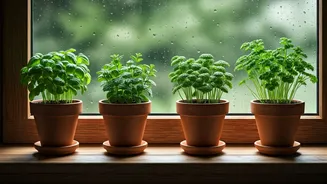
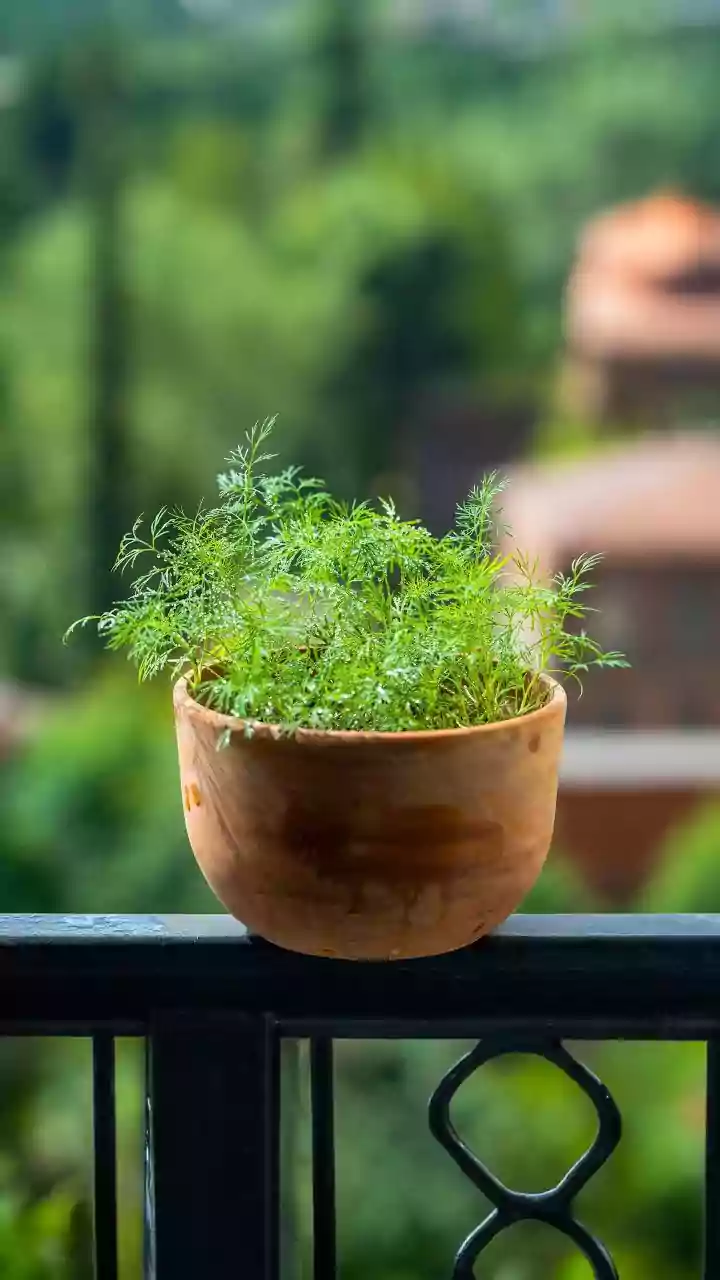
Fresh coriander is a non-negotiable garnish for countless Indian dishes, but it can be tricky to grow, especially in extreme heat. However, the cooler temperatures and filtered sunlight of the monsoon provide an ideal environment for growing lush dhania on your windowsill. The key is to start with good quality whole seeds from a garden store, not the roasted ones from your spice box. Lightly crush the seeds before sowing them about half an inch deep in a wide pot with well-draining soil. Coriander doesn't like being transplanted, so it's best to sow it directly in the container you intend to keep it in. Keep the soil moist, and protect the pot from heavy rain. In about three to four weeks, you can begin snipping the outer leaves for your daily cooking needs.
Essential Tips for Monsoon Herb Care
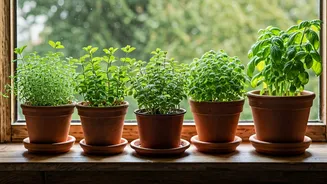
Growing herbs indoors during the monsoon is rewarding, but it comes with its own set of rules. The biggest enemy is excess water. Always use pots with drainage holes to prevent water from