





Why the Monsoon Poses a Food Safety Challenge
The rainy season, while offering relief from the summer heat, creates a perfect storm for foodborne illnesses. The high humidity and moisture in the air provide an ideal breeding ground for harmful bacteria, fungi, and viruses like E. coli and Salmonella.
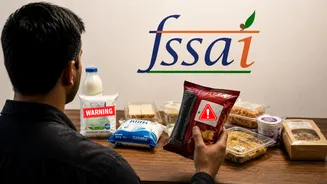
This means food can spoil much faster than in other seasons. Furthermore, heavy rainfall can lead to the contamination of water sources, with sewage and pollutants sometimes mixing with municipal water lines. This contaminated water might be used to wash vegetables and fruits, increasing the risk of diseases like diarrhoea, cholera, and typhoid. The Food Safety and Standards Authority of India (FSSAI) consistently issues advisories during this period, emphasizing that the risk of food-related diseases rises significantly.
The Official Word on Raw Foods
When it comes to raw foods, the FSSAI and health experts urge extreme caution. The primary concern with items like salads and pre-cut fruits is that they aren't cooked, a process that kills most harmful germs. Leafy greens such as lettuce, spinach, and cabbage can easily trap dirt, germs, and bacteria from contaminated soil and water. Similarly, fruits that are cut and left exposed, especially by street vendors, are vulnerable to contamination from flies, dust, and unhygienic handling. The sugary, moist surfaces of cut fruit are particularly attractive to airborne bacteria, which can multiply rapidly. General advisories suggest avoiding raw salads, especially when eating out, and instead opting for steamed or cooked vegetables.
Safely Preparing Salads and Fruits at Home
If you want to enjoy raw foods at home, following strict hygiene practices is non-negotiable. The FSSAI recommends washing all fruits and vegetables thoroughly with clean, potable water before consumption. For leafy greens, which can hide dirt between their leaves, soaking them in a solution of salt water or vinegar can provide a deeper clean. It is always safer to buy whole fruits and cut them yourself right before you plan to eat them. This minimizes their exposure to environmental contaminants. Peelable fruits like bananas and oranges offer a natural barrier of protection. Always ensure your hands, knives, and chopping boards are clean to prevent cross-contamination.
Beyond Raw Produce: General Monsoon Food Safety
The FSSAI's guidance extends beyond just salads and fruits. A core recommendation is to prioritize freshly cooked, hot meals, as high temperatures destroy most pathogens. When it comes to leftovers, they should be refrigerated promptly and not left at room temperature for more than two hours, as the humid climate accelerates bacterial growth. When reheating food, especially gravies and soups, it's best to bring them to a rolling boil. Street food, while tempting, carries a higher risk during the monsoon due to potential exposure and the use of unverified water sources for chutneys and drinks. Finally, maintaining personal and kitchen hygiene is crucial. This includes washing hands with soap before handling food, keeping kitchen surfaces sanitized, and ensuring your refrigerator is clean.