





Monitor the Latest Weather Alerts
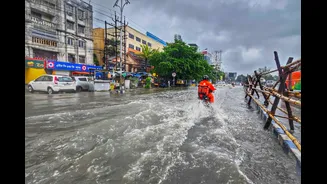
The first step to smart travel is staying informed. The IMD has predicted widespread rainfall, with intense showers and gusty winds expected in northern, central, and eastern regions through the end of August. States including Uttar Pradesh, Bihar, West
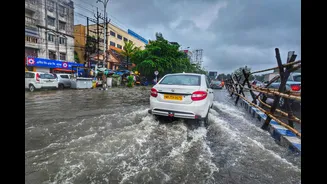
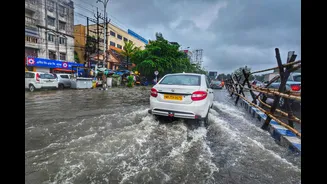
Bengal, Odisha, and Madhya Pradesh are on alert for heavy rain. This kind of weather can lead to waterlogging on roads, poor visibility for flights, and unsafe conditions on railway tracks. Before you even think about packing, check the latest IMD bulletins and advisories from airlines or Indian Railways. Understanding the specific risks for your route—be it flight diversions, train cancellations, or road closures due to landslides—is critical.
Proactive Steps for Air Travellers
Flying during monsoon season requires extra planning. Airlines are not required to offer monetary compensation for weather-related delays as they are considered 'extraordinary circumstances'. However, they are still obligated to provide care. According to Directorate General of Civil Aviation (DGCA) rules, airlines must provide free meals and refreshments for delays over two hours. For overnight delays, they must offer hotel accommodation and transport. If your flight is cancelled, you are entitled to a full refund or an alternative flight. To stay ahead, download your airline’s app for real-time notifications and check your flight status before leaving for the airport. Consider booking flexible fares and buying travel insurance that covers weather-related disruptions.
Navigating Train and Road Journeys
Train and road travel are equally susceptible to monsoon disruptions. Heavy rains can cause waterlogging on tracks, forcing trains to slow down, get diverted, or be cancelled altogether. Your primary tool for train travel is the National Train Enquiry System (NTES) app, which provides live updates on train schedules and cancellations. If your train is delayed by more than three hours and you decide not to travel, you are eligible for a full refund. For e-tickets, this is often processed automatically for cancelled trains, but for other delays, you may need to file a Ticket Deposit Receipt (TDR). For road trips, be aware of the risk of waterlogging in cities and landslides in hilly areas. Check local traffic updates, avoid flood-prone routes, and allow significant buffer time for your journey.
Smart Packing and Essential Tech
How you pack can make a significant difference. Always keep essentials like a change of clothes, medications, important documents, and a power bank in your carry-on luggage. You don’t want to be separated from your necessities if your checked bag is delayed or you're stranded overnight. A waterproof jacket and an umbrella are obvious additions. Pack your electronics in waterproof bags or sleeves to protect them from the rain. From a tech perspective, ensure your phone is fully charged and loaded with helpful apps. Beyond airline and railway apps, consider downloading weather apps like the IMD’s ‘Mausam’ for granular forecasts. Having digital copies of your tickets, hotel bookings, and IDs can also be a lifesaver if physical copies get wet or lost.
Know Your Rights and Stay Patient
Frustration is natural when travel plans go awry, but knowing your rights empowers you to handle the situation calmly. If an airline or railway service fails to provide the mandated assistance, don’t hesitate to escalate the issue. For air travel, you can file a grievance on the AirSewa portal. For railways, you can approach the station manager or use the RailMadad portal. Keep all receipts for expenses incurred due to delays, as these may be reimbursable through travel insurance. Most importantly, build buffer time into your schedule. During monsoon season, avoid booking tight connections. A layover of at least three to four hours for connecting domestic flights is advisable. Patience and preparation are your best assets when facing weather-related travel disruptions.