








Rethinking the ‘Do Nothing’ Day
The traditional logic behind a rest day is simple: high-intensity running breaks down muscle tissue, so you need to stop completely to let it rebuild. While rest is non-negotiable for recovery, the definition of ‘rest’ is evolving. For athletes pushing
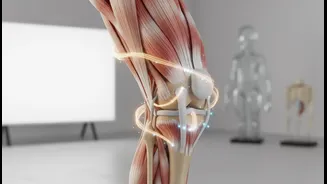
their limits with high-intensity interval training (HIIT) or gruelling tempo runs, the demand on the body is immense. These workouts cause microscopic tears in muscle fibres, inflammation, and significant stress on joints and connective tissues. The old-school response was to become a couch potato for 24 hours. However, growing evidence and athlete experience suggest that complete passivity might not be the most effective way to bounce back. Instead of coming to a full stop, many are embracing active recovery.
The Power of Active Recovery
Active recovery involves performing low-intensity exercise following a strenuous workout. Think light walking, swimming, or gentle yoga. The goal isn't to build more fitness but to enhance the body's natural repair processes. Light movement stimulates blood flow to tired muscles, which is crucial. This increased circulation helps deliver oxygen and nutrients needed for repair while more efficiently flushing out metabolic waste products that contribute to muscle soreness, a condition often called delayed onset muscle soreness (DOMS). Rather than letting stiffness set in, active recovery keeps the body moving, which can reduce soreness and help maintain a feeling of looseness in the muscles.
Flexibility vs. Mobility: The Key Difference
This is where low-impact flexibility drills come in, but it's important to distinguish between flexibility and mobility. Flexibility refers to a muscle's ability to stretch passively. Mobility, on the other hand, is the ability to actively move a joint through its full range of motion. A runner can be flexible but still have poor mobility. For example, you might be able to touch your toes (a measure of hamstring flexibility) but have stiff hips that can't move freely, which can alter your running form and lead to injury. Focused drills on rest days target both, aiming to improve the functional movement patterns essential for efficient running.
Why It Matters for Runners
Running is a repetitive, high-impact sport. Over time, it can lead to tight muscles, particularly in the hips, hamstrings, and calves. This tightness can restrict your range of motion, leading to an inefficient stride and increasing your risk for common running ailments like IT band syndrome, runner's knee, and plantar fasciitis. By incorporating mobility and flexibility work on rest days, runners can counteract this tightness. Improved hip mobility allows for a longer, more powerful stride. Better ankle flexibility helps with shock absorption, and a more pliable upper body (thoracic spine) can improve posture and breathing mechanics during long runs.
Smarter Drills for Your 'Off' Day
An active recovery day for a runner shouldn't be exhausting. The intensity should be very low. A 20- to 40-minute session is often sufficient. Effective drills often include dynamic stretches like leg swings and walking lunges, which warm up the joints and muscles. Yoga is particularly beneficial, with poses like Downward Dog, Pigeon Pose, and Cat-Cow helping to release tension in the back, hips, and hamstrings. Foam rolling is another excellent tool for targeting tight spots in the fascia, the connective tissue that surrounds your muscles. Focusing these gentle movements on a day dedicated to recovery helps ensure your body is not just resting, but actively repairing and preparing for the next hard effort.