





The Season's Comfort Cart
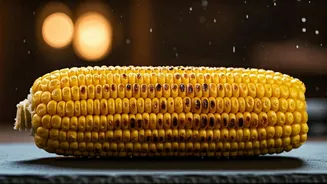
There's a certain magic to the Indian monsoon that goes beyond the rain-washed streets and cooler air. It’s a sensory experience, punctuated by specific tastes and smells. At the heart of this is the bhutta-wala, fanning embers that glow against the grey
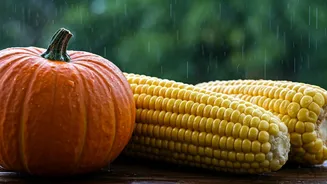
sky, turning golden cobs of corn until they are perfectly charred. Sprinkled with salt, chilli, and a squeeze of lime, this isn't just a snack; it's a ritual. It’s a moment of warmth clutched in your hands on a damp day. For generations, this has been the flavour of the season. But as we grow more conscious about what we eat, it turns out this old-fashioned comfort has been a form of 'soft wellness' all along—health benefits delivered without fuss, price tags, or performative health-consciousness.
Corn: A Humble Powerhouse
Often dismissed as a starchy vegetable, corn is a surprisingly nutrient-dense whole grain. That monsoon bhutta is an excellent source of dietary fibre, which is crucial for maintaining good digestive health—a common concern during the rainy season when our systems can become sluggish. The fibre helps keep things moving and feeds the beneficial bacteria in your gut. Beyond digestion, corn is packed with antioxidants. It contains lutein and zeaxanthin, two carotenoids famous for protecting the eyes from oxidative damage and blue light. It’s also a decent source of B vitamins, magnesium, and phosphorus, all of which contribute to energy production. So, that feeling of satisfaction after eating a warm cob of corn isn't just emotional; your body is genuinely getting a boost of slow-release energy and valuable nutrients.
Pumpkin: The Golden Immunity Guard
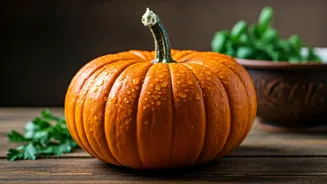
As the monsoon progresses, another golden vegetable takes centre stage in Indian kitchens: the pumpkin, or kaddu. Often starring in simple sabzis, hearty soups, or even sweet preparations, pumpkin is the unsung hero of seasonal wellness. Its most significant claim to fame is its incredible concentration of beta-carotene, the antioxidant that the body converts into Vitamin A. A single serving can provide well over the recommended daily intake. Vitamin A is a powerhouse for the immune system, helping the body fight off infections that are more common during the damp monsoon months. It also plays a vital role in maintaining healthy skin, vision, and organ function. Furthermore, pumpkin is low in calories but high in fibre and water content, making it filling and great for weight management. It's also a good source of Vitamin C and potassium, which helps regulate blood pressure.
Modern Science Meets Ancient Wisdom
This embrace of warm, cooked, and nourishing foods like corn and pumpkin during the monsoon aligns perfectly with the principles of Ayurveda. The rainy season is considered a time when the 'Vata' dosha (associated with air and ether) is aggravated, potentially leading to digestive issues, joint pain, and low energy. Ayurvedic wisdom recommends countering this with foods that are warm, grounding, and easy to digest. Roasted corn and cooked pumpkin fit this prescription perfectly. They provide warmth and substance, pacifying Vata and supporting the digestive fire (agni). It’s a beautiful example of how traditional food practices, developed over centuries of observation, are often validated by modern nutritional science. The 'flex' isn't new; we're just finding new language to appreciate it.
Bringing the Goodness Home
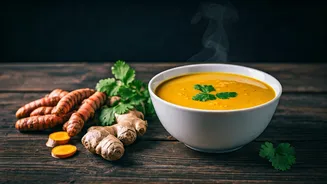
While nothing beats a streetside bhutta, incorporating these two ingredients into your monsoon diet is easy and versatile. Move beyond the cob and try making a warm corn chowder or adding boiled corn kernels to a protein-rich salad for texture and sweetness. As for pumpkin, its mild, sweet flavour makes it incredibly adaptable. A simple pumpkin soup seasoned with ginger and a touch of black pepper is both comforting and immunity-boosting. You can roast cubes of pumpkin with minimal seasoning for a healthy side dish or snack, or mash it into the dough for rotis or thepla for an added nutritional punch. The key is to enjoy them in their simple, cooked forms to reap the maximum benefits during this season.