






Decoding the E20 and Flex-Fuel Push
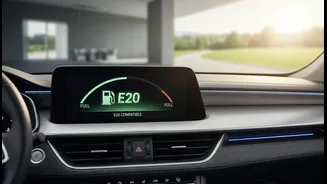
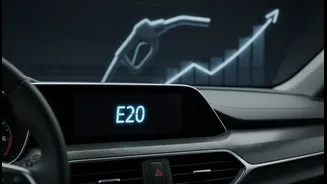
First, let's break down the terms. E20 is petrol blended with 20% ethanol, a biofuel typically derived from sugarcane or maize. India has successfully rolled out E20 fuel nationwide, years ahead of its original schedule, making it the new standard at petrol pumps.
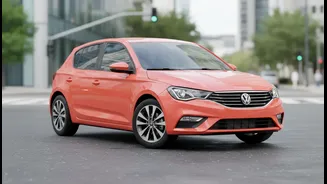
Nearly all new cars sold since 2023 are E20-compliant, meaning their engines and fuel systems are designed to run on this blend. This is different from a full 'flex-fuel vehicle' (FFV), which can run on much higher ethanol blends, like E85 (85% ethanol). While FFVs are the next step, the immediate national focus is on making the E20 transition seamless.
The National Goals: Economy and Environment
The push for ethanol blending is driven by two of India’s most critical long-term goals: strengthening energy security and reducing emissions. The country imports around 85% of its crude oil, making its economy vulnerable to volatile global prices. By blending domestically produced ethanol, India can significantly cut its import bill, saving valuable foreign exchange. Furthermore, E20 fuel burns cleaner than conventional petrol, leading to lower emissions of carbon monoxide and hydrocarbons, which is a crucial step in tackling air pollution in major cities. The policy also provides a significant economic boost to the agricultural sector by creating a stable market for crops used in ethanol production.
Why Young Buyers Are in the Driver's Seat
The success of this transition rests squarely on the shoulders of India's youth, particularly first-time car buyers. Recent industry data shows the average age of a car buyer has dropped significantly, with a large percentage of new car sales driven by people in their 20s and 30s. This demographic is crucial for several reasons. Firstly, as a significant chunk of first-time buyers, their choices establish long-term market trends. Secondly, younger consumers are generally more tech-savvy and open to adopting new technologies, whether it's a smartphone or a new type of fuel. They are less likely to be sceptical of alternatives to traditional petrol. Thirdly, while all consumers are price-conscious, young buyers are particularly focused on running costs. If E20 offers a long-term economic advantage, they are more likely to embrace it. Finally, there is a growing environmental consciousness among this generation, making them more receptive to the green credentials of E20 fuel.
Overcoming the Hurdles on the Road
Despite the clear benefits, the transition is not without its challenges. A primary concern for consumers is a potential drop in mileage. Ethanol has a lower energy density than petrol, which can result in a fuel efficiency reduction of 3-6% in some vehicles. While automakers insist the impact is minimal and offset by other performance gains, this perception can deter potential buyers. Another hurdle is awareness. Many consumers are still unclear about what E20 is, whether their vehicle is compatible, and what the long-term effects might be. Addressing these information gaps with clear, transparent communication is vital. Carmakers play a huge role here, as they need to actively market the benefits and address the concerns of their youngest and most influential customer base.
The Road Ahead for a Cleaner Drive
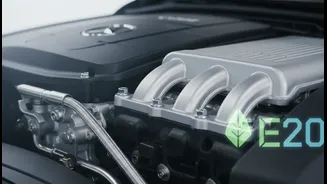
Automobile manufacturers have overwhelmingly backed the E20 transition, with all major players like Maruti Suzuki, Hyundai, and Tata Motors confirming that their modern vehicles are fully compatible. They have invested in engineering E20-ready engines and have conducted extensive testing to ensure vehicle reliability and performance are not compromised. However, the real test lies in consumer acceptance. The government and industry must work together to build confidence, ensuring that the benefits of cleaner air and greater energy independence are clearly communicated to the generation that will be driving this change forward for decades to come.