






The Rise of Monsoon Rail Travel
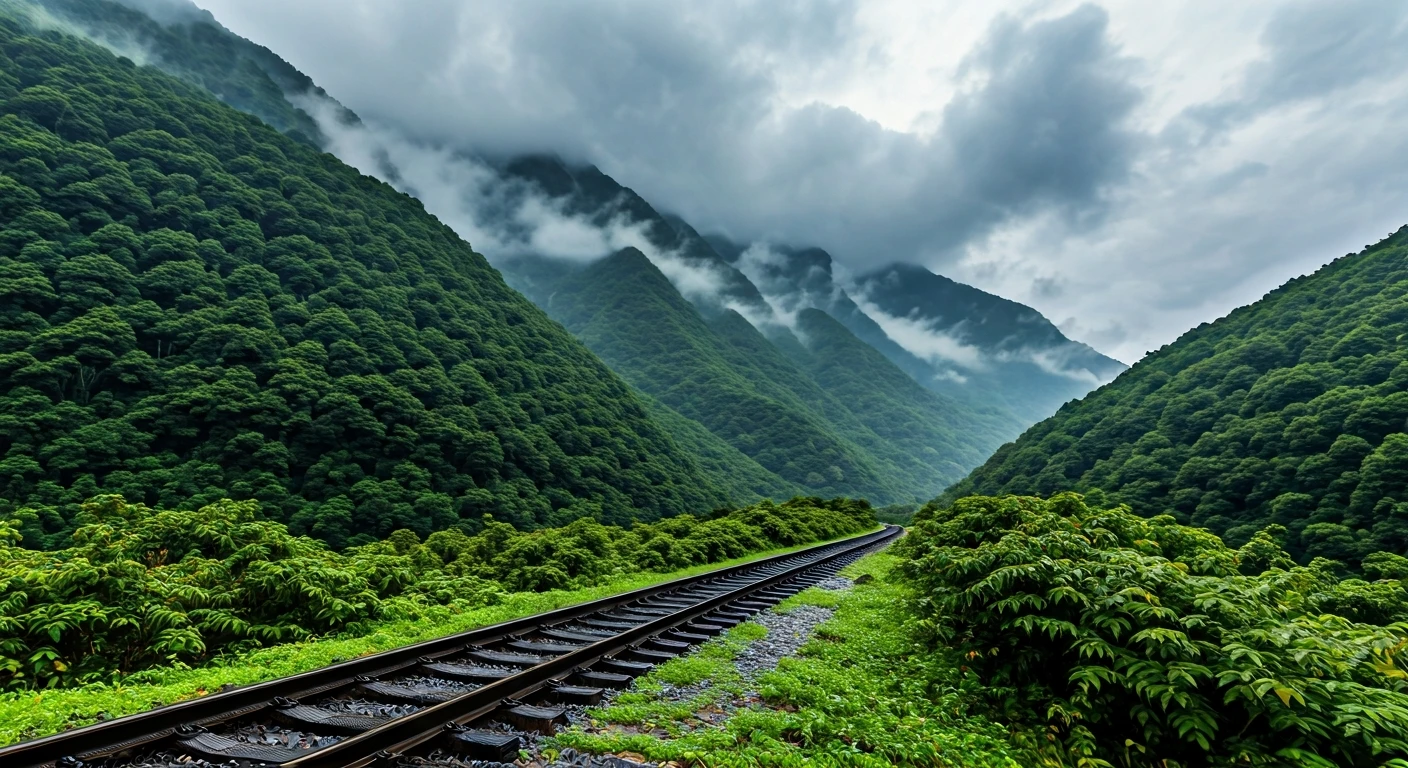
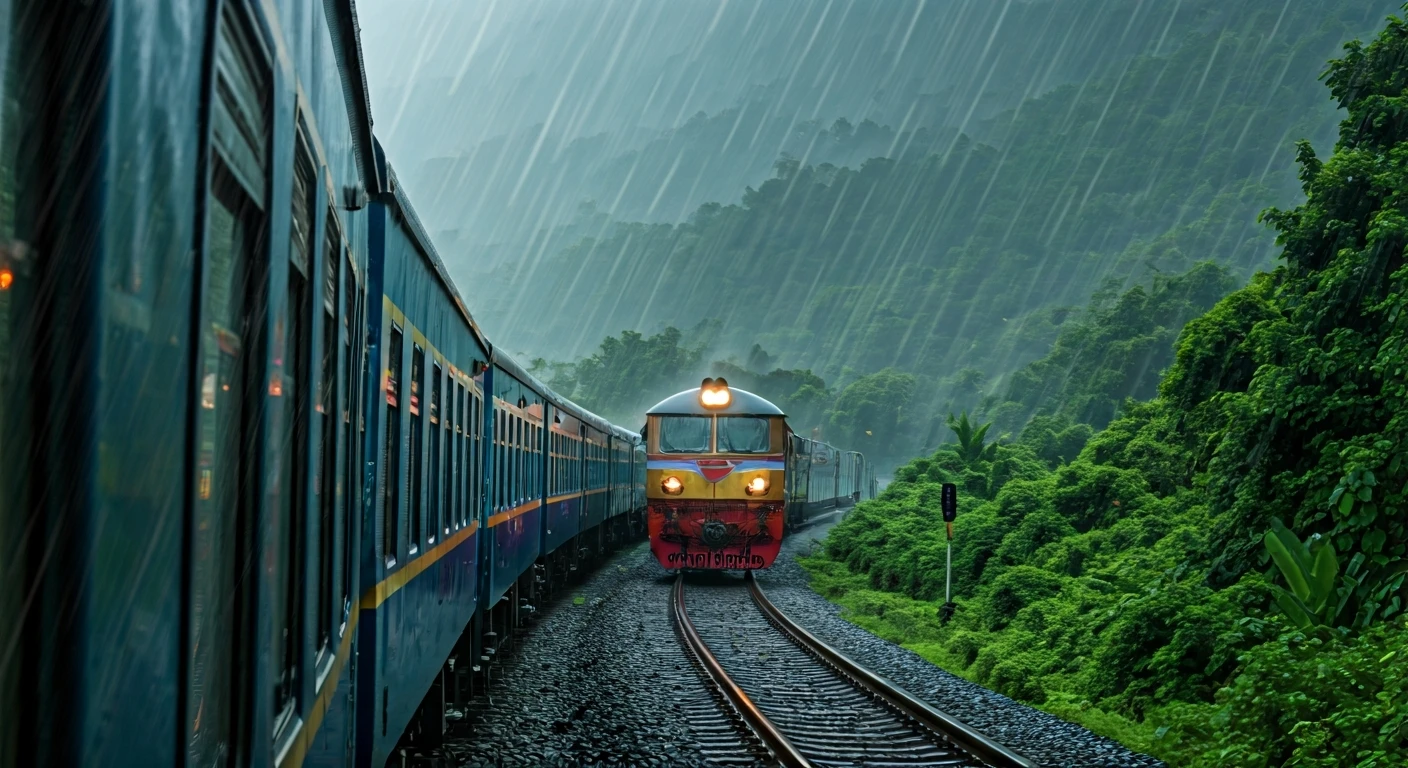
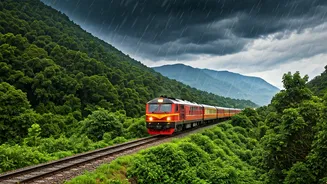
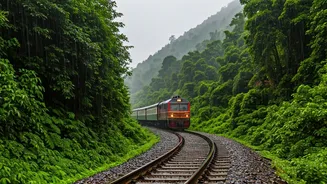
Instead of waiting for clear skies, a growing number of travellers are intentionally booking train tickets during India’s monsoon season. The idea is to experience the country’s landscapes at their most lush and dramatic. This isn't about commuting in the rain;
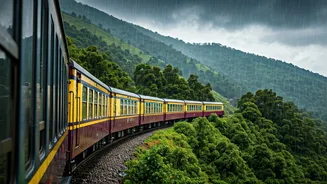
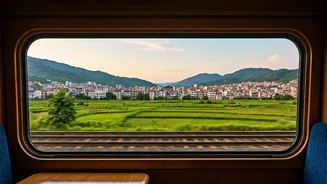
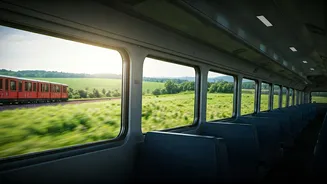
it's a form of slow travel, where the rhythmic chug of the train, the smell of wet earth, and the sight of rain-swept vistas are the main attractions. Imagine sipping hot chai while watching waterfalls cascade down mountainsides and green valleys disappear into mist—all from the comfort of your window seat. This trend swaps the rush of reaching a destination for the romance of the journey, offering a peaceful and unforgettable travel experience.
Iconic Routes for a Rainy Day
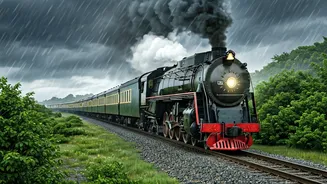
Certain train routes are transformed into magical experiences by the monsoon. The Konkan Railway, connecting Mumbai to Goa, is perhaps the most famous. An engineering marvel through the Western Ghats, this route features over 90 tunnels and countless bridges, offering views of the Arabian Sea, swollen rivers, and vibrant green hills. Another favourite is the Nilgiri Mountain Railway, a UNESCO World Heritage toy train that chugs from Mettupalayam to Ooty. During the monsoon, the Nilgiri hills are draped in clouds and mist, with the vintage steam engine adding to the nostalgic charm. In the north, the Kalka-Shimla Railway offers panoramic views of pine forests and misty mountains, making the journey through its 102 tunnels feel like a trip into a storybook.
More Unforgettable Journeys
Beyond the big names, other routes offer equally stunning monsoon spectacles. The Darjeeling Himalayan Railway, another UNESCO site, winds through vibrant tea gardens that seem to glow in the rain. The journey from New Jalpaiguri offers spectacular views of the Eastern Himalayas enveloped in low-hanging clouds. For a unique experience in Central India, the heritage train from Patalpani to Kalakund is an underrated gem, offering a perfect getaway to enjoy waterfalls and mountains. In the south, the journey from Visakhapatnam to Araku Valley takes you through the Eastern Ghats, with over 58 tunnels and 84 bridges, revealing lush valleys and the impressive Ananthagiri Waterfalls.
How to Plan Your Monsoon Trip
Planning a rain train trip requires some forethought. Booking in advance is crucial, especially for popular routes and the sought-after Vistadome coaches with their panoramic windows. Pack wisely: waterproof jackets, non-slip footwear, and a bag to protect your electronics are essential. While the scenery is at its peak, be prepared for potential delays. Heavy rains can sometimes lead to slower train speeds or, in rare cases on fragile hill routes, service suspensions due to landslides. Railway authorities often take pre-monsoon safety measures, such as increased track patrolling and reinforcing vulnerable slopes, to minimise disruptions, especially on heritage lines like the one in Darjeeling. Always check the train status before and during your journey.
Is This Journey Right for You?
A monsoon train trip is ideal for those who appreciate a slower pace and find beauty in atmospheric, rain-drenched landscapes. It’s for photographers, writers, and anyone looking to disconnect from the hustle of city life. It appeals to travellers who value the journey as much as the destination and are willing to be flexible. If you are patient, romantic, and find joy in watching the world go by from a train window, this unique travel experience could be one of your most memorable adventures. It’s a chance to see India in its most refreshed and rejuvenated state, a sensory immersion into the country’s seasonal romance.