




Understanding the Monsoon Challenge
Spiti Valley is a cold desert located in a rain-shadow region, meaning the valley itself receives very little rainfall. The primary danger during the monsoon (July to September) lies in getting there. The approach roads, particularly from Manali and through
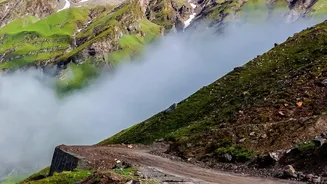
Kinnaur, are highly susceptible to landslides, flash floods, and roadblocks caused by heavy rains in the lower Himalayas. Recent weather alerts for August 2026 have highlighted the risks, with the IMD issuing warnings for heavy rain in districts like Kullu and Mandi, which lie on the access routes. On August 8, 2026, authorities reported over 160 road closures in Himachal Pradesh due to the active monsoon, underscoring the need for extreme caution.
Permit Process: Who Needs One?
The permit rules for Spiti Valley are straightforward but crucial. Indian citizens do not need any Inner Line Permit (ILP) or special permission to visit the main tourist areas of Spiti Valley, including Kaza, Tabo, and Pin Valley. You should, however, carry a valid government-issued photo ID for registration at police checkposts like Sumdo. Foreign nationals, on the other hand, must obtain a Protected Area Permit (PAP), often referred to as an ILP, to travel through the region beyond Jangi in Kinnaur. This permit can be applied for at the Sub-Divisional Magistrate (SDM) offices in Shimla, Reckong Peo, or Kaza. It's advisable to get it in Reckong Peo before entering the restricted zone.
Road Advisory: The Shimla to Kaza Route (NH-5)
The route from Shimla via Kinnaur is widely considered the safer and more reliable option during the monsoon. It allows for gradual acclimatization, reducing the risk of Acute Mountain Sickness (AMS). However, it is not without its own set of risks. This highway is prone to landslides, especially in areas like the Negulsari and Malling Nalla stretches. Though it generally remains open, temporary blockades are common after heavy rainfall. Always factor in buffer days and check the daily road status from official sources like the Himachal Pradesh State Emergency Operation Centre before starting your journey. As of late July and early August 2026, this route has been operational but subject to weather-related disruptions.
Road Advisory: The Manali to Kaza Route
Traveling from Manali to Kaza via the Atal Tunnel and Kunzum Pass is a far riskier proposition in August. While the Border Roads Organisation (BRO) cleared Kunzum Pass for traffic in late May 2026, the monsoon makes this route treacherous. The stretch between Gramphu and Batal is particularly notorious for its multiple water crossings (nallas) that can become raging torrents in the afternoon, and the road surface is extremely rough. While technically open as of August 2026, local authorities and experienced travelers strongly advise against using this route during heavy monsoon spells. A Lahaul & Spiti Police advisory on August 8, 2026, even noted road closures due to adverse weather. If you must take this route, a 4x4 vehicle with high ground clearance is essential, and you should aim to cross the water crossings early in the morning.
Essential Monsoon Safety Checklist
Preparation is key to a safe Spiti trip in monsoon. First, add at least two to three buffer days to your itinerary to account for unexpected road closures. Check weather forecasts and road status daily from reliable sources. Travel only during daylight hours and avoid driving in heavy rain. Ensure your vehicle, preferably a 4x4 or one with high ground clearance, is in excellent condition and consider carrying extra windshield wipers. Pack waterproof gear, a well-stocked first-aid kit with medicines for AMS, and enough cash, as ATMs in Kaza can be unreliable. Finally, always inform your hotel or a local contact about your day's plan.