



The Power of Fermentation
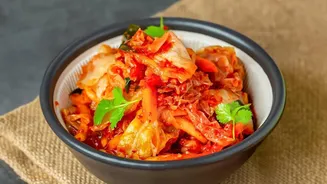
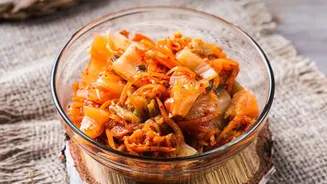
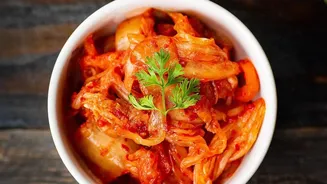
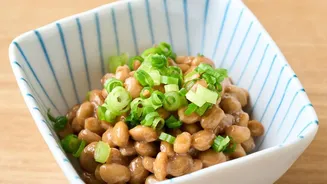
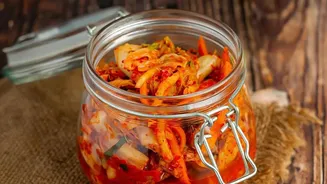
Fermented foods have been a cornerstone of traditional diets globally for centuries. The process is simple: beneficial microorganisms like bacteria and yeast break down food components like sugars and starches. This transformation not only preserves the
food but also enriches it, creating live, beneficial bacteria known as probiotics. These probiotics are crucial for maintaining a healthy gut microbiome—the complex community of trillions of microbes in your digestive tract. A balanced microbiome aids digestion, improves nutrient absorption, and even bolsters your immune system, as a significant portion of immune cells reside in the gut.
Eating for the Seasons: Summer
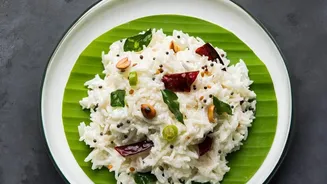
As temperatures rise in the summer, our digestive fire, or 'agni' as it's known in Ayurveda, tends to weaken. The body craves foods that are cooling, hydrating, and easy to digest. This is where summer-friendly ferments shine. Chaas (buttermilk), a diluted and spiced yogurt drink, is a classic example. It's light, hydrating, and packed with probiotics that soothe the stomach and help replace electrolytes lost through sweat. Another excellent option is Pakhala from Odisha or Pazhaya Sadam from Tamil Nadu, which is leftover rice soaked in water and left to ferment overnight. This humble dish is a natural coolant, easy on the stomach, and its fermentation process generates B-vitamins and beneficial bacteria that can boost immunity.
Monsoon: Boosting Your Immunity
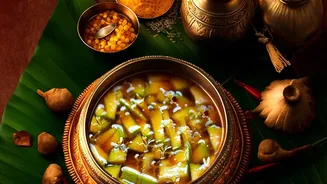
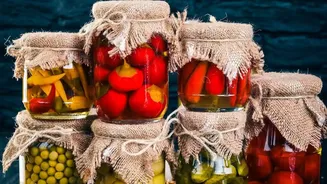
The monsoon season brings with it a heightened risk of infections, making a strong immune system more important than ever. Fermented foods play a vital role in preparing our bodies for this challenge. The probiotics they contain help fortify the gut lining and support the immune cells that fight off pathogens. While Dahi (curd) and Idli/Dosa batter are year-round staples, the monsoon is a great time to explore regional ferments. Gundruk, a fermented leafy green common in Sikkim and other North-Eastern states, is a probiotic powerhouse used in soups and pickles. Made from mustard greens or radish leaves, it's rich in lactic acid and can help support gut health and immunity during the damp season. Similarly, homemade pickles, when traditionally lacto-fermented without excess oil, can be a great source of beneficial microbes.
Winter: Supporting Digestion and Warmth
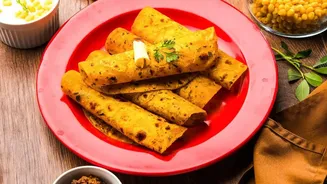
In winter, our bodies crave heartier, warming foods. Digestion can become sluggish, and ferments can help stimulate appetite and aid the breakdown of heavier meals. This is the traditional season for Kanji, a vibrant North Indian drink made by fermenting black carrots or beetroot with mustard seeds. This tangy beverage is not only rich in probiotics but also antioxidants from the carrots, which help reduce inflammation. The fermentation of idli and dosa batter, made from rice and lentils, is another practice that makes nutrients more available and the food easier to digest, providing sustained energy for colder days. These foods help ensure your gut remains balanced even when your diet shifts to richer, more calorie-dense winter fare.