




From Compost Bin to Snack Bowl
Every year, Americans waste billions of pounds of food, and a surprising amount of that comes from perfectly edible parts we’re conditioned to throw away. Vegetable peels are a prime example. We dutifully shave our potatoes, carrots, and parsnips, sending
nutrient-packed skins straight to the compost or trash. But what if we reframed those peels not as waste, but as the primary ingredient for an incredibly satisfying snack? Embracing this habit is a win-win-win: you reduce food waste, save a little money, and get a delicious, fiber-rich treat out of the deal. It’s a simple kitchen trick that feels both resourceful and wonderfully indulgent, turning a mundane act of food prep into the start of something great.
The Best Peels for the Job
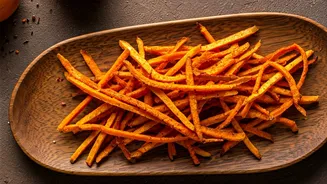
Not all peels are created equal, but many common ones crisp up beautifully. The undisputed champions are starchy vegetables. Think about it: a potato chip is just a very thin slice of potato, and the skin is where much of the flavor and nutrients are concentrated. Here are the best peels to save: * **Potatoes and Sweet Potatoes:** The gold standard. They are sturdy, flavorful, and bake into a classic chip-like crisp. * **Carrots and Parsnips:** These offer a slightly sweeter, earthier flavor and a delicate crunch. They cook a bit faster, so keep an eye on them. * **Beets:** Their vibrant color and earthy taste make for a stunning and unique crisp. Just be prepared for red-stained fingers! * **Zucchini and Cucumber (if unwaxed):** These have higher water content, so they need to be patted very dry and may result in a chewier, lighter crisp. As for which peels to avoid, steer clear of anything with a waxy coating (often found on store-bought cucumbers and apples), the tough skins of winter squashes like butternut, and the papery skins of onions and garlic, which will simply burn.
The Basic Method: So Easy It's Almost Instant
While not literally “instant,” this process is incredibly fast and requires minimal effort. Once you try it, it’ll become second nature. The key is high heat and low moisture. 1. **Wash and Dry:** If you're using non-organic produce, give the vegetables a good scrub before you peel them. After peeling, the most crucial step is to get the peels as dry as possible. Lay them on a paper towel and pat them down thoroughly. Water is the enemy of crispiness. 2. **Toss with Oil and Spices:** In a bowl, toss the dry peels with a light coating of olive oil or another high-heat oil. You don't need much—just enough to help them crisp and get the spices to stick. Add your seasonings and toss to coat evenly. 3. **Cook:** You have two great options here: * **Oven:** Preheat to 400°F. Spread the peels in a single, even layer on a baking sheet. Do not overcrowd the pan. Bake for 10-20 minutes, flipping halfway through, until golden brown and crispy. Watch them closely, as thinner peels can burn quickly. * **Air Fryer:** Set your air fryer to around 375°F. Add the peels to the basket in a single layer. Cook for 5-8 minutes, shaking the basket halfway, until they are crispy and browned to your liking.
Spice Blends to Get You Started
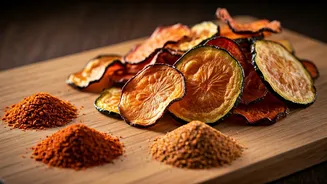
This is where you can get creative. The peel is a blank canvas for your favorite flavors. Start with salt and pepper, then branch out. Try a few of these combinations: * **Smoky & Savory:** Smoked paprika, garlic powder, onion powder, and a pinch of salt. * **Spicy & Zesty:** Chili powder, cumin, a dash of cayenne pepper, and a squeeze of fresh lime juice after they come out of the oven. * **Herbaceous:** Dried rosemary, thyme, black pepper, and a sprinkle of Parmesan cheese for the last few minutes of cooking. * **Sweet & Warm (for sweet potato/carrot peels):** A light dusting of cinnamon and a tiny pinch of brown sugar or maple syrup mixed with the oil.