





The Rise of the Fourth Meal
The traditional idea of a 9 PM dinner is fading in urban India. Driven by the demands of late-shift jobs, international work schedules, and the simple desire to unwind after a long day, a growing number of Indians are eating and sleeping later. This has
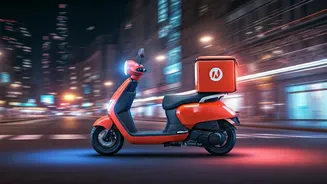
given rise to what industry insiders call the "fourth meal" — a post-dinner consumption occasion that stretches from 11 PM to the early morning hours. What began as a niche market has exploded into a significant business opportunity, reflecting a fundamental shift in the country's lifestyle and work culture. Over the past year, late-night delivery volumes have doubled, showcasing a trend that goes far beyond a temporary spike.
From Home Kitchens to Cloud Kitchens
Many of India’s most successful food ventures started in a home kitchen, and the late-night boom is no different. Entrepreneurs are turning their passion for food into profitable ventures, often starting with minimal investment. The business model of choice for this new nocturnal economy is the cloud kitchen. These "ghost kitchens" operate without a physical storefront, focusing exclusively on delivery. This drastically reduces overhead costs like high rent and front-of-house staff, allowing businesses to focus on food quality and efficient delivery. For many, it's a chance to test new concepts with less risk, tapping into a market where competition is lower after midnight.
Technology is the Secret Ingredient
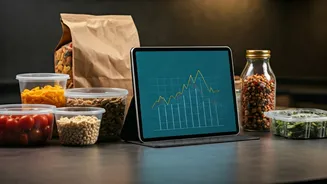
This entire ecosystem is powered by technology. Food delivery platforms like Swiggy and Zomato, alongside quick-commerce apps like Blinkit and Zepto, have built the infrastructure that makes late-night ordering seamless. They connect hungry customers with kitchens that would have otherwise been invisible. Swiggy has reported a significant surge in late-night orders, with serviceability increasing as more restaurants extend their hours. These platforms are not just passive players; they actively encourage the trend with dedicated "late-night cravings" sections and promotions. For businesses, this means access to a massive customer base and sophisticated data on what people want to eat and when.
A Menu for the Midnight Hour
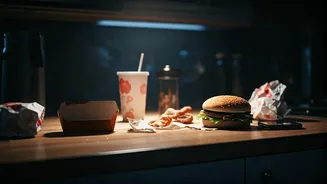
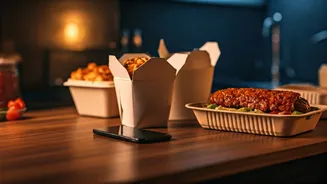
The late-night menu has evolved significantly. While pizzas and burgers remain top choices, the offerings have expanded to satisfy a more discerning palate. Consumers can now order everything from gourmet desserts and specialty teas to full-course meals like biryani. Desserts, in particular, have become a fast-growing category, seen as an affordable indulgence. This diversification shows that late-night eating is no longer just about satiating basic hunger; it's about comfort, experience, and even social currency for a generation that documents its life online.
Challenges of the Night Shift
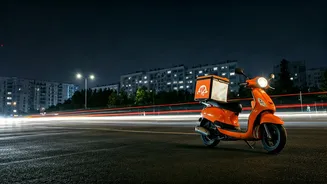
Running a business in the dead of night is not without its hurdles. One of the primary challenges is logistics. Finding delivery personnel willing to work odd hours can be difficult, sometimes leading to longer delivery times. There are also regulatory constraints, as operating hours are subject to local government permissions. Sourcing fresh ingredients and ensuring staff safety are other critical considerations for these nocturnal businesses. Despite these obstacles, the allure of a growing market and higher profit margins on certain items keeps entrepreneurs innovating and adapting to the unique demands of the night.