




An Ancient Secret, Reimagined
The use of rice water for beauty is not a new trend. For centuries, women in countries like China, Japan, and across Southeast Asia have used the starchy liquid to care for their hair. The most famous example comes from the Red Yao women of Huangluo village
in China, who are renowned for their incredibly long, healthy hair, which they traditionally wash with fermented rice water. This practice is believed to contribute to their hair's strength, shine, and ability to retain its colour well into their 80s. Today, wellness influencers are reviving this tradition, celebrating it as an affordable, natural alternative to modern products for both hair care and internal health.
The Golden Ticket for Hair
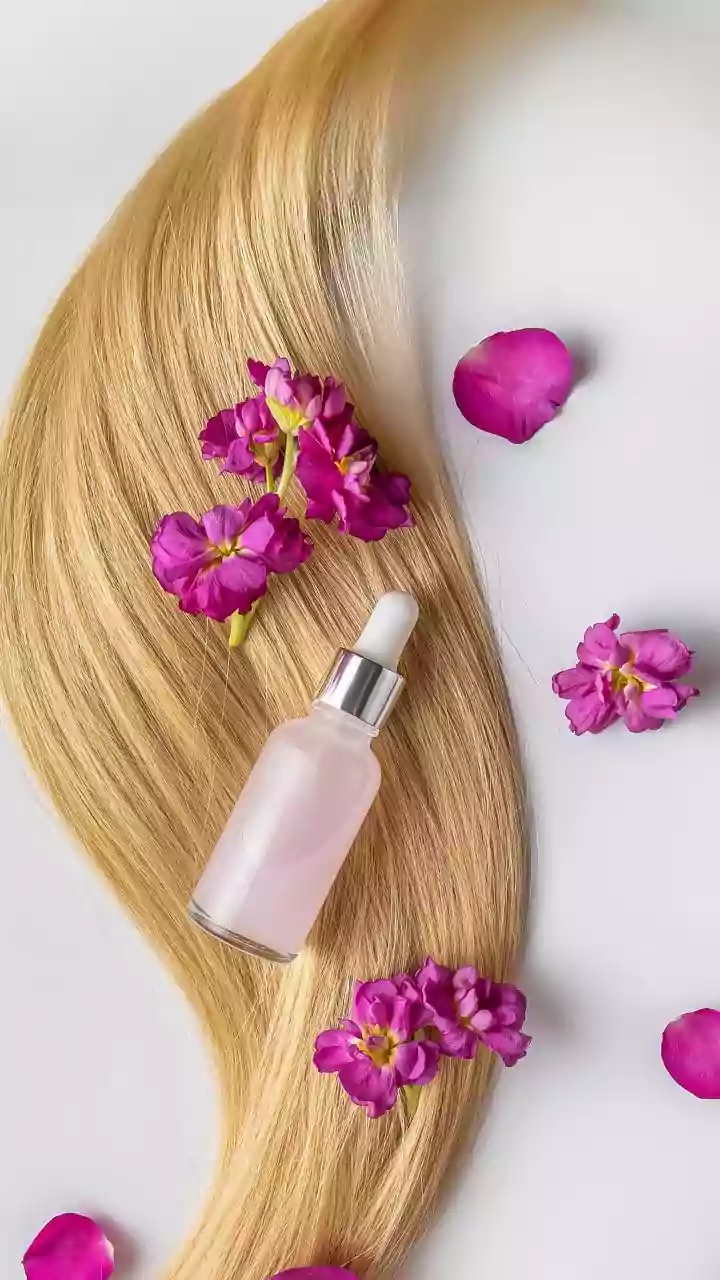
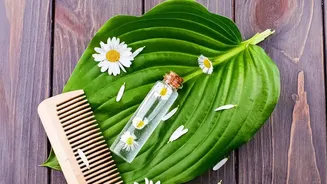
Fermented rice water is packed with nutrients that are beneficial for hair. The fermentation process lowers the water's pH to be closer to that of your hair, which helps seal the hair cuticle, leading to smoother, shinier strands. It's rich in amino acids, B vitamins, vitamin E, minerals, and antioxidants. A key component is inositol, a carbohydrate that has been shown to penetrate and repair damaged hair from within. Proponents claim that regular use can strengthen hair, reduce breakage, detangle, add shine, and nourish the scalp. While it’s not a magic bullet for hair growth from the root, it helps hair retain length by minimizing breakage and damage.
A Probiotic Elixir for Your Gut?
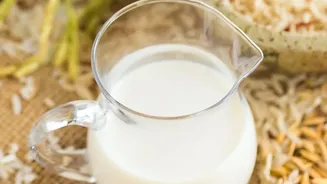
The wellness world is abuzz with the gut-health potential of drinking fermented rice water. The fermentation process encourages the growth of beneficial bacteria, turning the liquid into a natural probiotic drink. In many parts of India, where it is known as Neeragaram or Panta Bhat, it's a traditional remedy consumed to cool the body, aid digestion, and boost energy. These probiotics, including various strains of Lactobacillus, can help support a healthy gut microbiome, which is crucial for digestion, nutrient absorption, and immunity. Some studies suggest the postbiotics—beneficial compounds created during fermentation—can also reduce inflammation and strengthen the gut lining.
How to Make Your Own
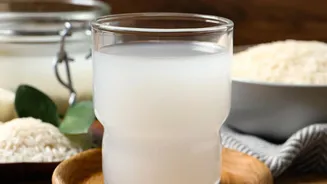
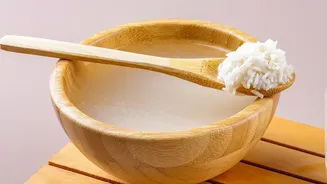
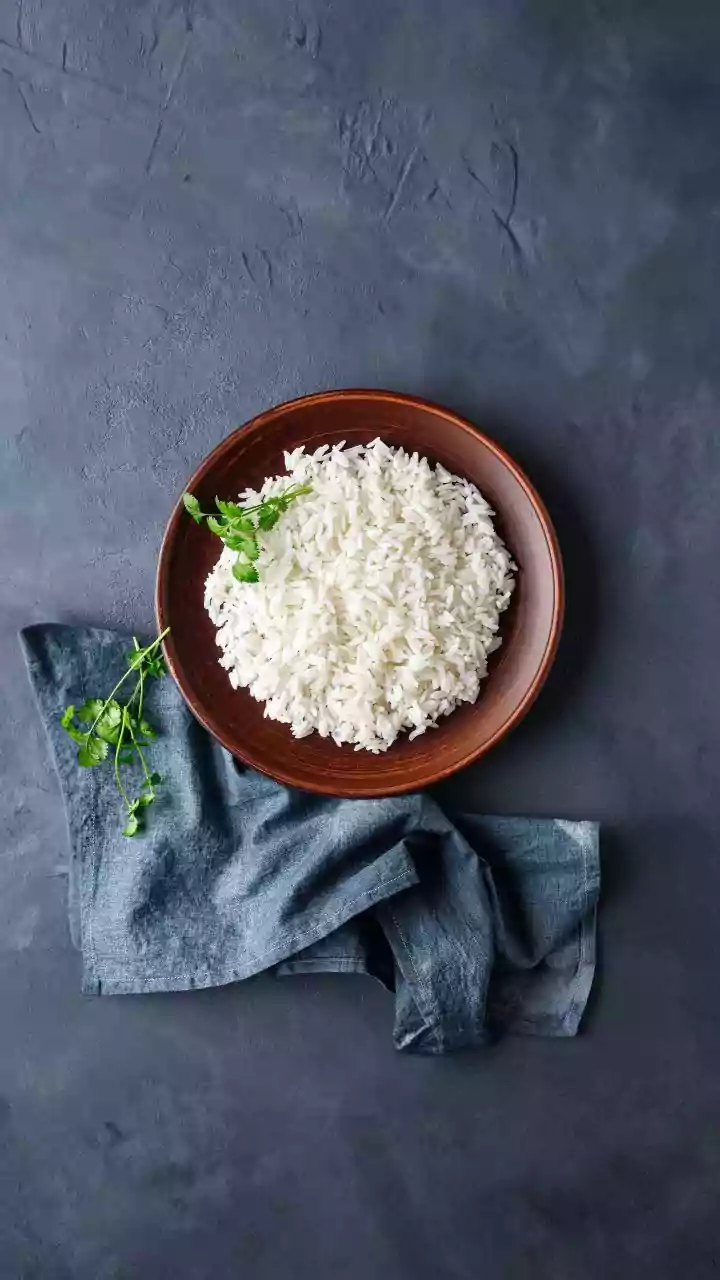
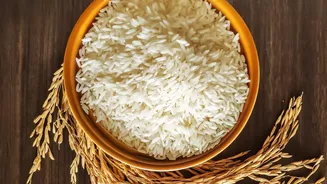
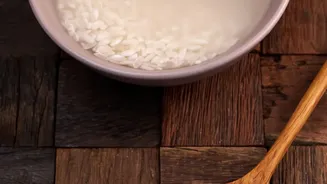
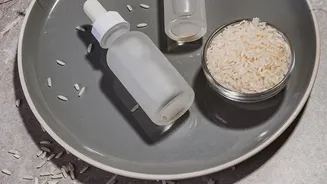
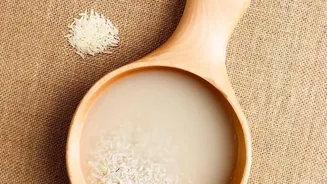
Creating your own fermented rice water is surprisingly simple. Start with about half a cup of uncooked rice (organic is often preferred). First, rinse the rice thoroughly to remove any impurities. After rinsing, place the clean rice in a glass or ceramic jar with two to three cups of water. Let it sit at room temperature for at least 30 minutes, or up to 48 hours. The longer it sits, the more it ferments; you'll notice a slightly sour smell when it's ready. For hair use, simply strain the liquid into a clean bottle. For consumption, many traditional methods involve soaking cooked rice overnight in water. The resulting liquid is then consumed, often with a pinch of salt or other flavourings.
Using It Safely and Effectively
For hair, fermented rice water is best used as a rinse after shampooing. Apply the liquid to your hair and scalp, massage it in, and let it sit for about 20 minutes before rinsing thoroughly. Because it is potent, especially with its protein content, it's best to start by using it once a week to avoid 'protein overload,' which can make hair feel stiff or brittle. When it comes to consumption, it's wise to start with a small amount to see how your body reacts. While it has a long history of use, individuals with certain conditions like histamine intolerance or Small Intestinal Bacterial Overgrowth (SIBO) might want to exercise caution. And remember, the fermentation process can produce a strong smell, but its advocates swear the benefits are worth it.