




Why Your New Car Costs More
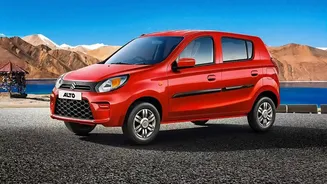
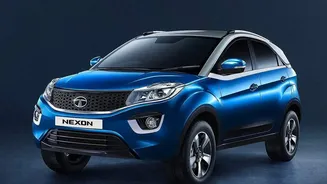
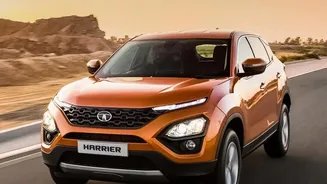
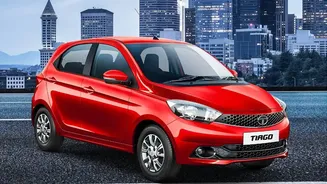
A fresh wave of price hikes is sweeping the Indian auto market just ahead of the festive season. Key players including Maruti Suzuki, Hyundai, and Tata Motors have all announced price increases effective from August or September 2026. Tata Motors confirmed
a hike of up to ₹25,000 across its models, while Maruti Suzuki's prices are up by as much as ₹30,000. Hyundai announced a more moderate increase of up to 1%, its third such revision this year alone. The primary reason cited by all manufacturers is the sustained pressure from rising input costs. The prices of essential raw materials like steel, aluminium, copper, and plastics have remained high, squeezing profit margins. Furthermore, the full cost of complying with stricter BS6 Phase 2 emission norms and implementing enhanced safety features is now being passed on to the consumer. This, combined with general inflation and geopolitical uncertainties affecting supply chains, has made it unviable for automakers to continue absorbing the entire cost burden.
Strong Demand Meets Higher Prices
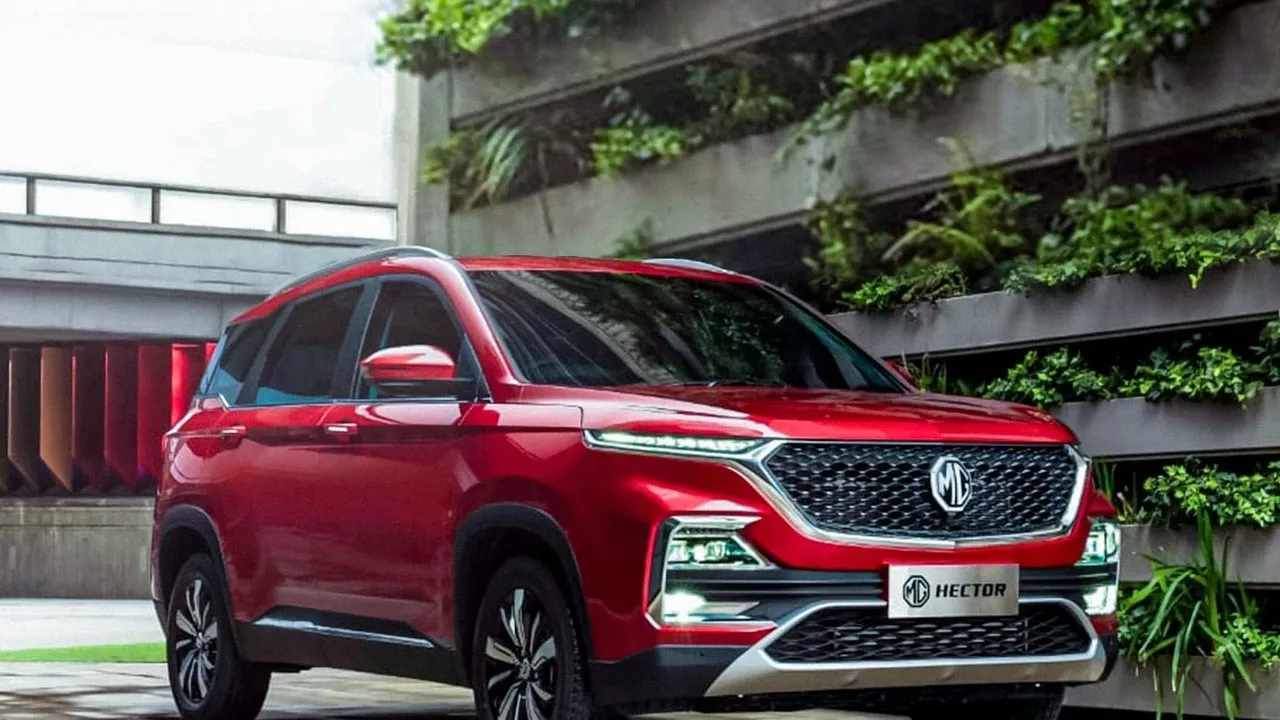
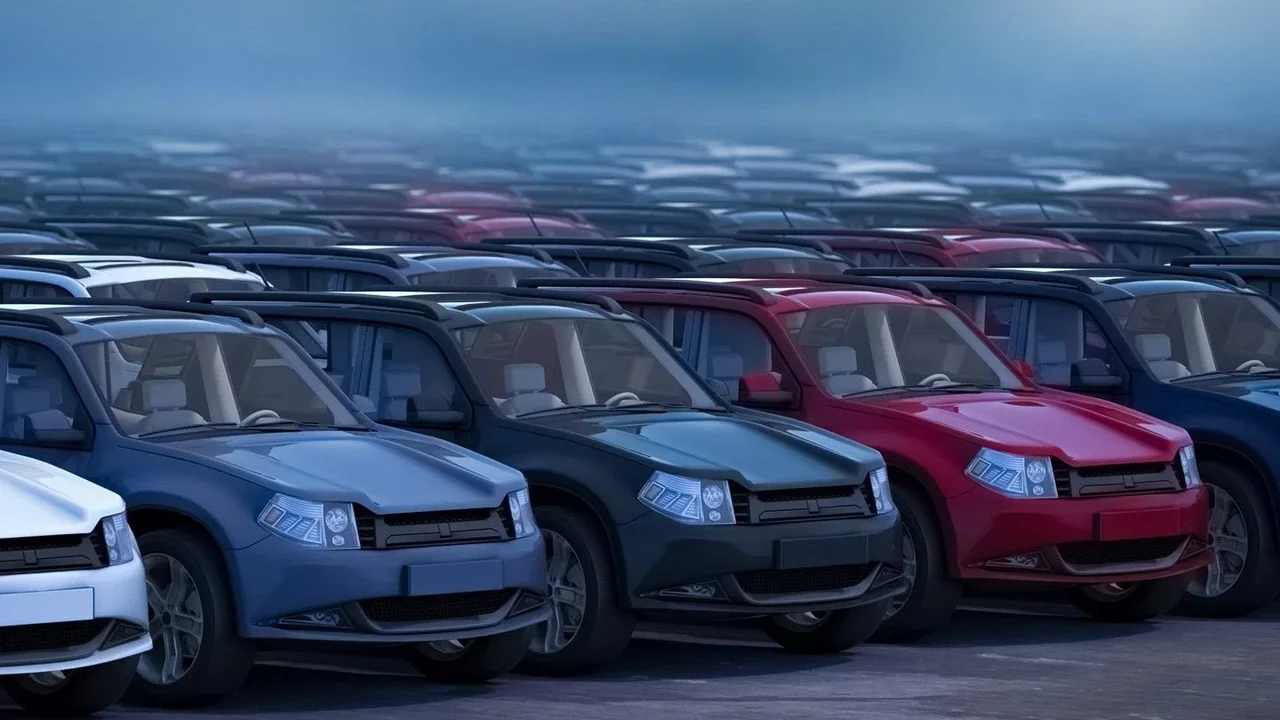
Despite the rising sticker prices, the industry is gearing up for a blockbuster festive season. Automakers ramped up production significantly in July, leading to record wholesale dispatches to dealerships across the country. This indicates a strong belief that consumer demand remains robust. Dealer associations have reported a healthy build-up of bookings and positive sentiment among potential buyers. The market is witnessing a fascinating dynamic: carmakers are trying to capitalise on strong consumer interest, especially in the high-demand SUV segment, while simultaneously protecting their profitability. They are betting that the desire for new vehicles during the auspicious festive period, combined with a slew of new model launches, will be enough to overcome consumer apprehension about the higher costs. Automakers are essentially walking a tightrope between volume and value, hoping the market is strong enough to support both.
The Shifting Landscape of Festive Discounts
For decades, Indian car buyers have been conditioned to expect significant discounts and freebies during the festive months. However, the current cost pressures are forcing a change in this strategy. While the era of festive offers is not over, its form is evolving. The hefty cash discounts of previous years may be less common or smaller in value. Instead, manufacturers and dealers are likely to get creative with their incentive structures. Buyers should expect to see more offers related to financing, such as lower interest rates or special EMI schemes. Other popular incentives will likely include attractive exchange bonuses for trading in an old car, complimentary accessory packages, and extended warranty offers. The focus will shift from direct price cuts to value-added benefits that don't erode the car's sticker price as much. This allows automakers to maintain their margins while still providing a compelling reason for customers to close the deal.
What This Means for You, the Buyer
Navigating the 2026 festive car market requires a strategic approach. If you have your heart set on a specific, newly launched model in a popular segment like SUVs, the room for negotiation might be limited due to high demand. However, for other models, particularly those with ample stock at dealerships, opportunities still exist. The key is to look beyond the cash discount. Evaluate the total value of the offer, including financing benefits, exchange bonuses, and included accessories. A low-interest loan, for instance, could save you more over the tenure of the loan than a small upfront cash discount. Be flexible with your choice of variant or even colour, as dealers may offer better deals on specific units they need to move. Most importantly, do your research thoroughly. Compare offers from multiple dealerships and be clear about the total on-road price, including all charges, before making a final decision.