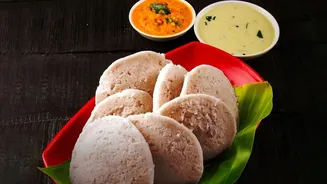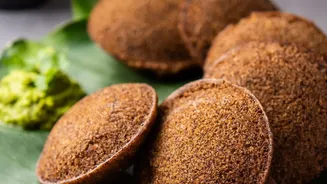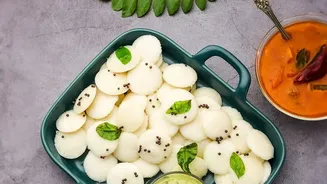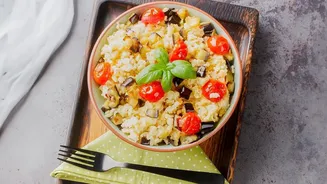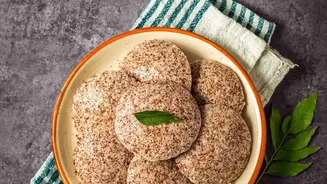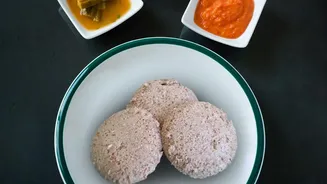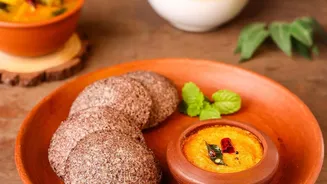





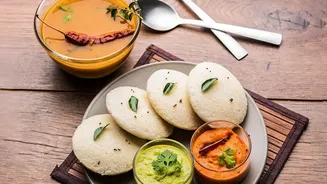
The classic South Indian idli is getting a wholesome makeover. Enter the foxtail millet idli, a nutritious and delicious alternative that’s rapidly gaining favour in kitchens across India for its impressive health benefits and delightful taste.
An Ancient Grain's Modern Comeback
Foxtail
millet, known as 'Thinai' in Tamil, 'Kangni' in Hindi, and 'Korralu' in Telugu, is one of the oldest cultivated grains, having been a staple in parts of Asia for thousands of years. This tiny, light-yellow seed is experiencing a major resurgence as a 'super-grain'. Unlike refined grains, it offers a powerhouse of nutrition with a subtly sweet, nutty flavour that makes it a versatile substitute for rice in many traditional dishes. Its return to prominence is driven by a growing desire for wholesome, minimally processed foods that connect us to our culinary roots while catering to modern health needs.
Why Choose Foxtail Millet Idli?
Swapping rice for foxtail millet in your idlis comes with a host of health advantages. It's naturally gluten-free, making it an excellent choice for those with celiac disease or gluten sensitivity. It boasts a low glycemic index, which helps in managing blood sugar levels by releasing glucose more slowly into the bloodstream, a significant benefit for diabetics. Packed with nearly double the protein and significantly more dietary fibre than white rice, these idlis keep you feeling full for longer, aiding in weight management. Furthermore, foxtail millet is a rich source of essential minerals like iron, calcium, and magnesium, which support everything from bone health to immune function.
The Art of Making Soft Millet Idlis
The process for making foxtail millet idli is similar to the traditional method but with a few key points. The typical ratio is around four parts millet to one part urad dal. First, the foxtail millet and urad dal (often with a teaspoon of fenugreek seeds) are washed and soaked separately for at least four to six hours. After soaking, they are ground into a batter. A crucial tip is to grind the urad dal first to a light, fluffy paste, and then grind the millet to a fine, slightly coarse texture, using as little water as possible to prevent the final batter from becoming too thin. The two batters are then combined with salt and left to ferment in a warm place for 8 to 12 hours. This fermentation is key to achieving the soft, spongy texture that makes idlis so beloved.
Tips for Perfect Texture
Making millet idlis can sometimes be tricky, as they can turn out denser than rice idlis. To ensure a soft and fluffy result, be careful not to add too much water while grinding, as millet batters can become watery after fermentation. If you live in a colder climate, placing the batter inside a closed oven (with the light on) or a warm spot can aid fermentation. Once fermented, grease the idli moulds, pour in the batter, and steam for about 12 to 15 minutes. Letting the idlis rest for a few minutes after steaming before de_moulding will help them come out clean.
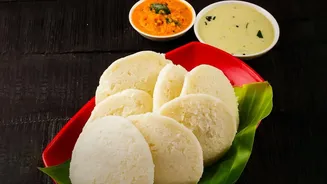
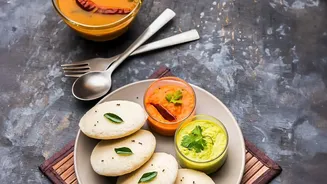
The slightly nutty flavour of foxtail millet idlis pairs wonderfully with a variety of classic South Indian chutneys. The most traditional choice is a simple Coconut Chutney, which offers a fresh, cooling contrast. For a bit more zest, a Coriander - Mint Chutney provides a vibrant and herby kick. If you prefer something tangy and spicy, a classic Tomato Chutney, also known as 'Kara Chutney', is an excellent option that cuts through the earthiness of the millet. For a richer, more robust flavour profile, a Peanut Chutney offers a creamy texture and nutty depth that beautifully complements the idlis.