






Boost Your Garden with a Nutrient Tea
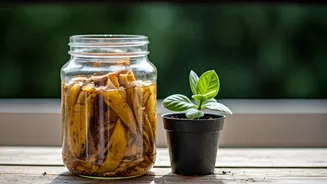
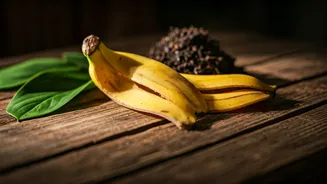
Your plants, both indoors and outdoors, crave the nutrients found in banana peels. Rich in potassium, phosphorus, and calcium, the skins make an excellent natural fertilizer. One of the easiest methods is to create a 'banana tea'. Simply submerge one
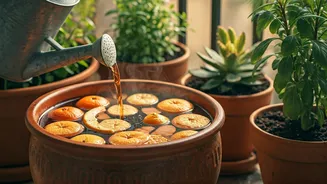
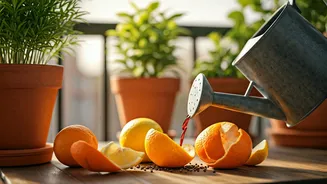
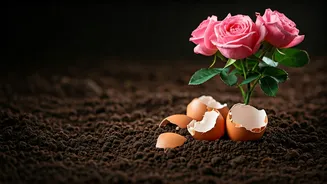
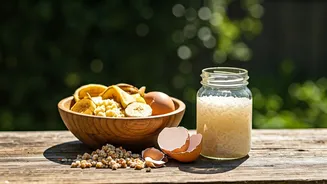
or two banana peels in a jar of water and let it sit for a few days. The water will absorb the nutrients. Discard the peels and use this enriched water on your plants every couple of weeks. This is especially beneficial for flowering and fruiting plants like tomatoes, peppers, and roses, as potassium helps regulate water and nutrient movement, promoting robust growth.
Create a Vegan Pulled 'Pork'
This might sound surprising, but banana peels have a fibrous, meaty texture that makes them a fantastic substitute for pulled pork or even bacon. To prepare them, you must use organic bananas and wash the peels thoroughly. Scrape out the bitter white pith from the inside of the peel with a spoon, then shred the peel with a fork. Marinate the shreds for at least an hour in a smoky barbecue sauce with ingredients like soy sauce, smoked paprika, garlic powder, and a touch of maple syrup. Afterwards, sauté the marinated peels in a pan with a little oil until they become tender and slightly crispy. Serve on a bun with coleslaw for a convincing and delicious plant-based meal that tackles food waste head-on.
Compost Them for 'Black Gold'
If you’re not up for brewing tea or cooking the peels, composting remains one of the best and simplest ways to reutilize them. Banana peels break down quickly and add valuable organic material and nutrients to your compost pile. The potassium and phosphorus they contain will enrich your final compost, creating a nutrient-dense soil amendment that gardeners affectionately call 'black gold'. To speed up decomposition, chop the peels into smaller pieces before tossing them into your bin. This increases the surface area, allowing microbes to work their magic faster. It’s a low-effort, high-reward method for any home composter.
Polish Leather and Shine Silver
Before you reach for a chemical-based polish, try a banana peel. The natural oils and potassium within the peel can gently restore the shine to scuffed leather shoes, bags, and even furniture. Simply rub the inside of the peel on the leather surface in a circular motion. The peel’s soft texture acts as a gentle buffer, lifting away dirt while conditioning the material. After rubbing, wipe off any residue with a soft, clean cloth. This same method can work on tarnished silverware. The peel’s mild acids help break down the tarnish. It’s a natural, cost-effective alternative to commercial polishes.
Clean Your Houseplant Leaves
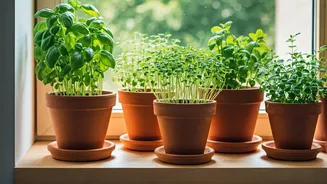
Dust that accumulates on the leaves of your indoor plants can block sunlight and hinder photosynthesis, affecting their health. Instead of using a plain wet cloth, which can sometimes just smear the dust around, use the inside of a banana peel. Gently wipe the top of each leaf with the peel. It will not only pick up the dust but also leave a subtle, natural shine without clogging the leaves’ pores (stomata). Your ficus, pothos, and monsteras will look healthier and more vibrant. It’s a two-in-one trick: you clean your plants and give them a very light foliar feeding.
A Note on Skin and Teeth Claims
You may have seen viral hacks suggesting you can whiten your teeth or soothe skin irritations by rubbing a banana peel on them. While peels do contain beneficial compounds like antioxidants and minerals, the scientific evidence to support these claims is weak to non-existent. Rubbing a peel on your teeth is unlikely to produce noticeable whitening effects compared to proven dental treatments. Similarly, while it might offer a temporary cooling sensation on skin, it’s not a substitute for proper skincare or medical advice. It’s best to stick to the uses that are tried, tested, and proven to be effective in the garden and home.