




Understanding Root Rot
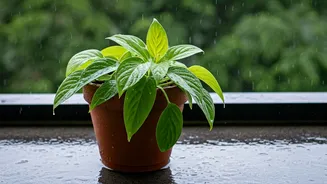
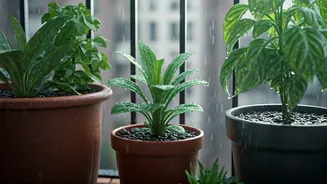
Root rot is a disease that causes a plant's roots to decay and die. During the monsoon, this threat is magnified. The primary cause is overwatering or waterlogged soil, a common issue with constant rain, high humidity, and reduced sunlight for evaporation.
When roots sit in water, they are deprived of oxygen and become vulnerable to fungal pathogens that thrive in these damp, anaerobic conditions. This prevents them from absorbing the nutrients and water the plant needs, leading to a plant that looks thirsty even when the soil is wet.
The Right Pot and Soil Mix
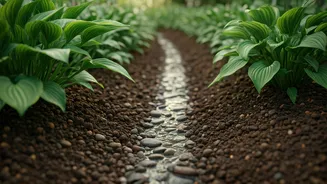
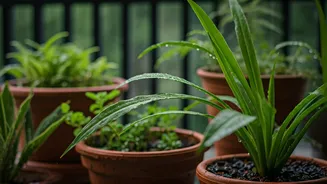
Prevention starts from the ground up. Your choice of pot and soil is your first line of defence. Terracotta or clay pots are often better than plastic during the monsoon as their porous nature allows excess moisture to evaporate. Regardless of material, ensure every pot has at least one, preferably multiple, drainage holes. Avoid the old myth of adding gravel at the bottom; it can actually hinder drainage. Instead, focus on a well-draining soil mix. Standard garden soil is too heavy and compacts when wet. Create a lighter, airy mix by combining garden soil or cocopeat with materials like compost for nutrients, and perlite or coarse sand to improve drainage and aeration. A good starting ratio is 40% soil/cocopeat, 30% compost, and 30% perlite or sand.
Mastering Monsoon Watering
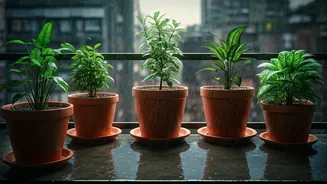
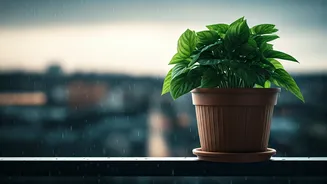
The golden rule of monsoon watering is: do not follow a fixed schedule. With high humidity and frequent showers, your plants’ water needs will drop dramatically. Always check the soil before you even think of watering. Use the classic finger test: stick your finger about an inch into the soil. If it feels moist, do not water. Let the top layer of soil dry out between waterings. For balconies exposed to rain, you may not need to water manually at all. Elevating your pots on bricks or stands can also significantly improve drainage by preventing the pot’s base from sitting in water.
Location and Air Circulation
Reduced sunlight and stagnant, humid air create the perfect storm for fungal diseases. While direct, harsh sunlight may not be available, try to move your plants to the brightest possible spot on your balcony. Good air circulation is equally important. Avoid crowding pots together; giving them space helps the foliage and soil surface to dry more quickly. If your balcony is enclosed, opening windows to create a cross-breeze can make a big difference. Pruning some lower leaves can also improve airflow around the base of the plant.
Spotting the Early Warning Signs
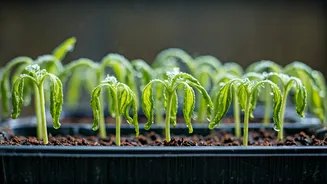
Catching root rot early can be the difference between life and death for your plant. Be vigilant for these key symptoms. The most telling sign is a plant that looks wilted or droopy even though the soil is damp. Other indicators include leaves turning yellow, especially the lower ones, stunted or non-existent new growth, and leaves dropping prematurely. In advanced cases, you might notice a musty, foul, or swampy smell coming from the soil, which is the scent of decay. If you see these signs, it's time to investigate the roots.
Emergency Rescue for an Affected Plant
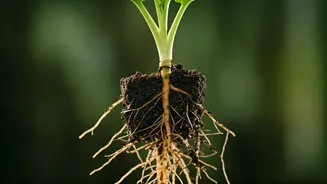
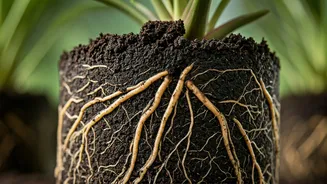
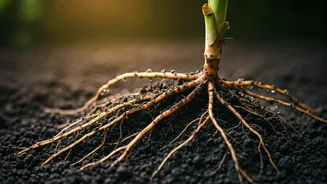
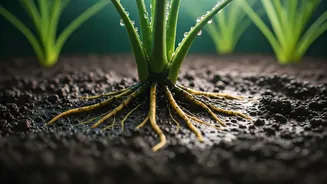
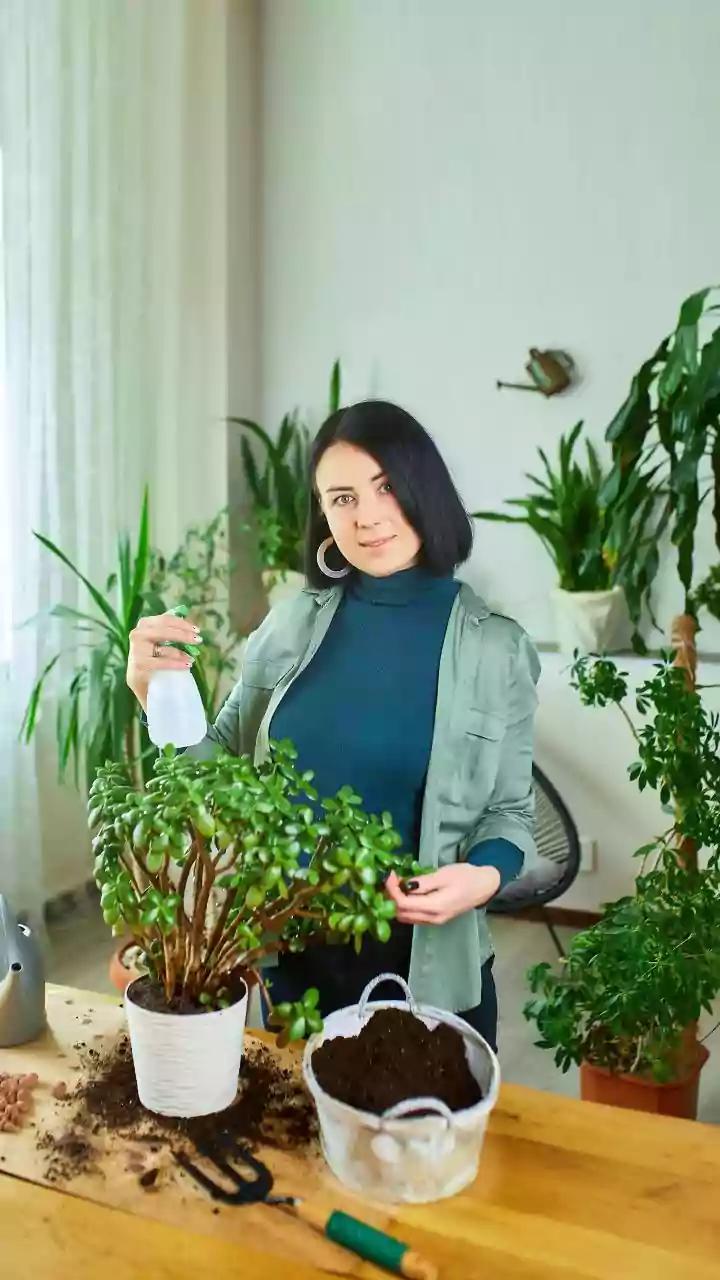
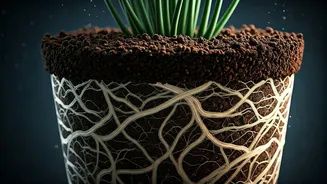
If you suspect root rot, you must act fast. Gently remove the plant from its pot and inspect the roots. Healthy roots are typically firm and white or light-coloured. Rotted roots will be brown or black, feel mushy and soft, and may even fall apart when touched. Using a pair of sterilised scissors or pruning shears, carefully trim away all the soft, dark, and smelly roots until only healthy tissue remains. It can feel drastic, but it's necessary. Discard all the old soil, wash the pot thoroughly with soap, and repot the plant in a fresh, dry, well-draining soil mix. Water sparingly and give the plant time to recover in a spot with bright, indirect light.