



A Shift in the Pantry
For years, the choice for most Indian households was simple: long-grain Basmati for special occasions and a standard polished white rice for daily meals. These varieties, products of the Green Revolution, were bred for high yields and uniformity, pushing
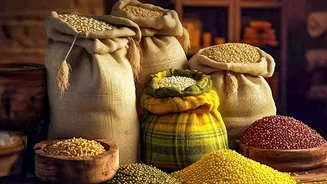
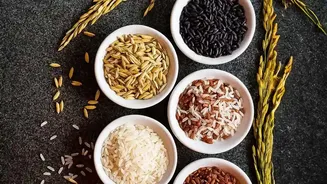
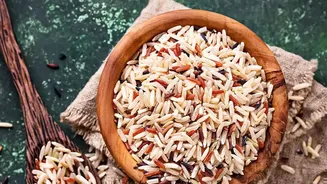
thousands of indigenous rice strains to the brink of extinction. Once, India was home to over 100,000 different kinds of rice, each adapted to its specific local climate and soil. Today, a conscious shift is underway. Consumers, chefs, and farmers are looking beyond the supermarket staples and rediscovering the rich world of heritage rice, driven by a quest for better flavour, superior nutrition, and a deeper connection to their food.
The Allure of Authentic Flavour
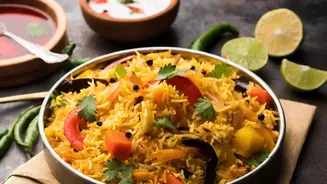
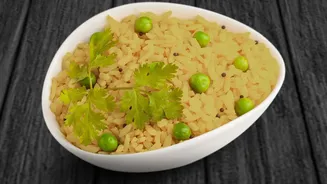
One of the most compelling reasons for this shift is taste. Traditional varieties offer a sensory experience that mass-produced grains cannot match. Take Gobindobhog, a short-grain aromatic rice from West Bengal. Its name translates to “offering to Lord Gobinda,” and upon cooking, it releases a buttery, floral aroma. Its slightly sticky and soft texture makes it perfect for dishes like khichuri and payesh. Then there is Kala Namak, a fragrant black-husked rice from the Terai region of Uttar Pradesh, often called 'Buddha's Rice'. It has a unique nutty flavour and delicate texture that elevates simple meals into a gourmet experience. This return to heritage grains is a return to terroir—the idea that food can and should taste like the place it comes from.
More Than Just Carbs: The Health Connection
The wellness wave has played a significant role in this rice renaissance. Unlike their polished counterparts, traditional unpolished rice varieties like red, brown, and black rice are nutritional powerhouses. They are generally higher in fibre, which aids digestion and promotes satiety. Many traditional varieties, such as Navara from Kerala and Karuppu Kavuni from Tamil Nadu, are packed with antioxidants, vitamins, and essential minerals like iron, zinc, and magnesium. Red and black rice varieties get their colour from anthocyanins, powerful antioxidants that are also found in blueberries and are linked to reduced inflammation and better heart health. Furthermore, many of these grains have a lower glycemic index, meaning they release sugar into the bloodstream more slowly, making them a better option for managing blood sugar levels.
Good for the Planet, Good for the Farmer
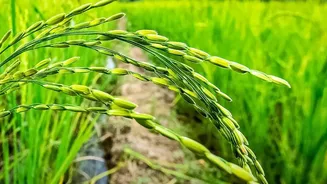
The benefits of traditional rice extend beyond the kitchen. These indigenous varieties, having co-evolved with local conditions for centuries, are naturally resilient. Many are inherently resistant to local pests and can thrive in challenging conditions like drought, floods, or saline soil, where modern hybrids might fail. This resilience means they often require fewer chemical fertilisers and pesticides, which is better for the environment and reduces costs for farmers. By choosing these grains, consumers are not just making a healthy choice for themselves but are also supporting agricultural biodiversity and empowering small-scale farmers who are at the forefront of conserving this priceless genetic heritage.