









Understanding Your Body's Clock
Every person operates on an internal 24-hour cycle known as the circadian rhythm. This biological clock, located in our brain, regulates countless functions, including body temperature, hormone release, and, most importantly, our sleep-wake cycle. It
is naturally synchronised with the sun's light-dark cycle. When your eyes detect morning light, your brain receives a powerful signal to be alert and awake. Conversely, as darkness falls, your body begins to produce melatonin, a key hormone that signals it's time to wind down and prepare for sleep. This finely tuned system is designed to help us feel energetic during the day and sleepy at night, but for shift workers, this natural rhythm is turned completely upside down.
The Challenge of Shift Work
Shift work forces the body to fight against its own ingrained, natural programming. When a person works through the night and tries to sleep during the day, their circadian rhythm becomes desynchronised from their environment. They are exposed to artificial light when their body expects darkness and must try to sleep when the sun is signalling it's time to be awake. This conflict is the root cause of Shift Work Sleep Disorder (SWSD), a condition that leads to insomnia, excessive sleepiness, and chronic fatigue. Studies show night shift workers get, on average, two to four fewer hours of sleep than their daytime counterparts, and the sleep they do get is often lighter and less restorative. This chronic sleep debt doesn't just impact work performance; it's linked to a higher risk of long-term health problems.
What Is Circadian Lighting?
Circadian lighting is about using light intelligently to support, rather than disrupt, your body's clock. The key is understanding that not all light is created equal. The blue light wavelength, which is abundant in sunlight, LED lights, and the screens of our phones and computers, is particularly effective at suppressing melatonin production. While this is helpful in the morning, exposure to it when you should be preparing for sleep can be detrimental. Circadian lighting involves strategically using or avoiding certain types of light at specific times. For a shift worker finishing a night shift, this means minimising exposure to alerting blue light and embracing warm, dim light to encourage the brain to begin its sleep preparation process, even if the sun is rising outside.
Practical Steps After Your Shift
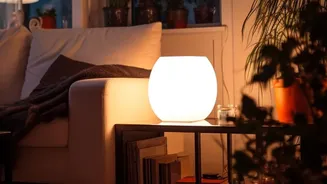
Taking control of your light exposure after a night shift is one of the most powerful ways to improve your sleep. The journey home is critical. Wearing blue-light-blocking glasses on your commute can significantly reduce your exposure to morning sunlight, which would otherwise send a strong 'wake up' signal to your brain. Some experts recommend dark, wrap-around sunglasses for this purpose. Once home, create a 'sunset' environment. Switch to dim, warm-toned light bulbs (often labeled as 'soft white' or with a low Kelvin temperature) in your bedroom and bathroom. Avoid looking at your phone, tablet, or television for at least an hour before you intend to sleep, as their screens are a major source of sleep-disrupting blue light. If you must use a screen, activate its 'night mode' and consider wearing amber or orange-tinted glasses, which are even more effective at blocking blue light.
Creating the Ideal Sleep Sanctuary
Your bedroom environment is the final piece of the puzzle. The goal is to make your room as dark as possible to simulate night. Blackout curtains or blinds are an essential investment for any shift worker. Even small amounts of light can penetrate your eyelids and disturb your sleep. Cover or unplug any electronics with indicator lights. If you need to get up during your sleep period, use a dim, red-toned night light. Red light has the least impact on your circadian rhythm and melatonin levels. By combining these lighting strategies with other good sleep hygiene practices—like keeping a consistent sleep schedule even on your days off and avoiding caffeine well before bed—you can send a clear, consistent signal to your body that it is time to rest, regardless of the time on the clock.