

The Danger in Puddles and Stagnant Water
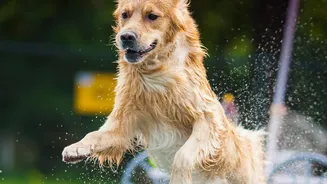
That inviting puddle on the street is a significant threat during the monsoon. Stagnant water is often contaminated with the urine of infected animals and can harbour dangerous bacteria. One of the most serious risks is leptospirosis, a bacterial disease
that can cause severe kidney and liver damage in dogs. Symptoms include fever, vomiting, muscle pain, and lethargy. The bacteria can enter your dog's system if they drink the contaminated water or even through small cuts on their paws. To protect your pet, always carry fresh drinking water for them and steer them clear of puddles and waterlogged areas during walks.
A Focus on Paw Hygiene
A dog's paws are on the front line, coming into direct contact with wet, muddy, and potentially contaminated surfaces. The constant dampness makes them susceptible to fungal and bacterial infections. Establishing a strict after-walk routine is crucial. The single most effective habit is to wash and thoroughly dry your dog's paws after every single walk, paying special attention to the spaces between their toes where moisture gets trapped. Using a clean, absorbent towel is a must. Trimming the excess hair between their paw pads can also improve air circulation and help them dry faster. Regularly inspect their paws for any redness, cuts, or signs of irritation.
Preventing Skin and Coat Issues
The high humidity of the Indian monsoon means a dog's coat can remain damp for hours after a walk, creating an ideal breeding ground for fungi and bacteria. This can lead to common monsoon complaints like skin rashes, hot spots (acute moist dermatitis), and fungal infections. To prevent this, thoroughly dry your dog's coat with a towel after any exposure to rain. For dogs with thick or double coats, a hairdryer on a low, cool setting can ensure their undercoat is completely dry. Regular brushing helps to remove dirt and prevent matting, which can trap moisture against the skin. However, avoid bathing your dog too frequently, as this can strip their skin of natural oils, making it more vulnerable.
The Unseen Threat of Ticks and Fleas
The monsoon season is the peak breeding season for parasites like ticks and fleas. These pests thrive in the warm, humid conditions and can transmit serious diseases, including tick fever, which can cause fever, lethargy, and loss of appetite. It is vital to be consistent with your vet-recommended tick and flea prevention program throughout the season. Conduct a daily check of your dog's coat, especially after walks. Pay close attention to areas like inside the ears, around the neck, in their armpits, and between their toes, where ticks love to hide.
Guarding Against Tummy Troubles
Gastrointestinal issues often spike during the rainy season. This can happen if a dog ingests contaminated water from puddles or eats something off the damp ground. Symptoms to watch for include diarrhoea, vomiting, and a loss of appetite. To minimise risk, ensure your dog always has access to fresh, clean drinking water at home and on walks. Be extra vigilant during walks to prevent them from eating or drinking anything they find. Storing their dry food in an airtight container is also important, as high humidity can cause it to become stale or mouldy.