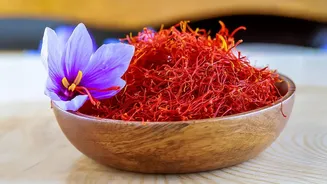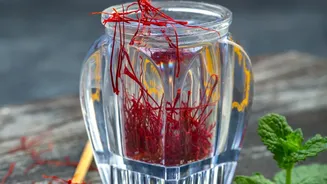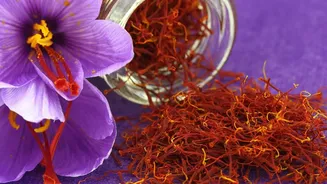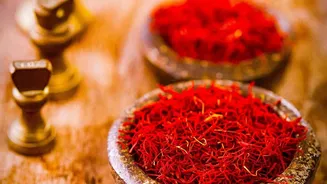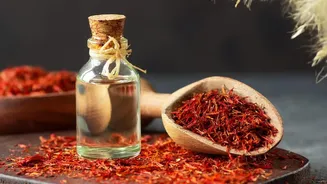

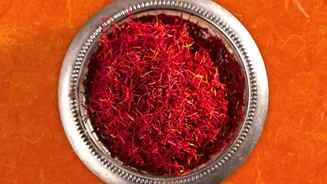
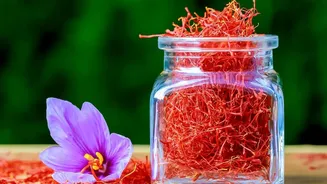
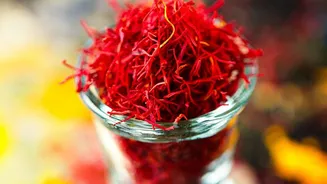
Known as 'kesar' or 'red gold', saffron is one of India's most prized spices, yet many home cooks are intimidated by its price and delicate nature. This guide demystifies its use, unlocking its potential in every kitchen.
First, Unlock the Magic
Saffron's beautiful colour and
distinct flavour, described as floral and earthy with notes of honey, need to be coaxed out. Its key compounds for colour (crocin) and aroma (safranal) are water-soluble. To properly use it, you must first 'bloom' the threads. Lightly crush a pinch of saffron with your fingers or a mortar and pestle. Steep these crushed threads in a few tablespoons of warm—not boiling—liquid like water, milk, or broth for at least 15-20 minutes. Boiling water can scorch the delicate spice and diminish its aroma. This simple step ensures the flavour and golden hue are distributed evenly throughout your dish, rather than staying locked inside the threads.
The Sweet Symphony: Desserts and Mithai
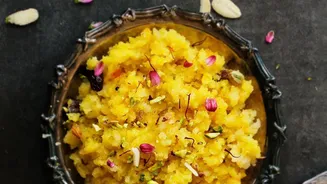
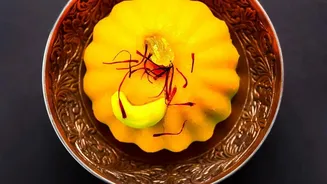
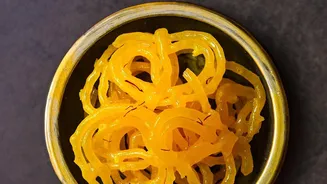
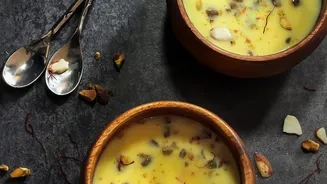
Saffron shines brightest in Indian sweets, where its floral notes complement dairy and sugar perfectly. Traditionally, it’s a star ingredient in festive preparations. Think of classic desserts like Kheer (rice pudding), Phirni, and Rabdi, where saffron-infused milk adds a luxurious aroma and a beautiful golden tint. It’s also essential in Shrikhand, a thick yogurt sweet, and adds a distinctive character to Kulfi, Basundi, and various Halwas. For best results, add the bloomed saffron towards the end of the cooking process to preserve its delicate fragrance. Even a small amount provides a noticeable depth, making it perfect for special occasions.
Savoury Sensations: Rice and Curries
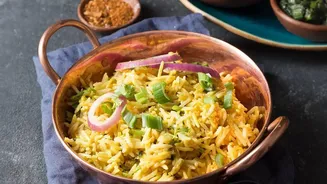
In savoury cooking, saffron is a team player, known for lending a subtle, aromatic warmth that elevates the entire dish. Its most famous savoury application is in Biryani and Pulao. Here, saffron-infused liquid is often drizzled over the rice in layers, creating a stunning visual and aromatic effect without overwhelming the other spices. Saffron pairs beautifully with the richness of chicken and lamb, making it a key component in regal Mughlai and Awadhi dishes like Zafrani Malai Murg or even Rogan Josh. The key is moderation; saffron’s role is to complement and unify the complex spices in these dishes, not to dominate them.
Perfect Pairings and Pro Tips
To master saffron, it helps to know what it works well with. In both sweet and savoury contexts, saffron has a strong affinity for cardamom, creating a classic flavour combination in Indian cuisine. Nuts like almonds and pistachios are also excellent partners, as their fats help carry saffron's aroma. For a touch of brightness, pair it with citrus fruits like orange or lemon. A few things to avoid: overpowering spices like heavy chilli, which can mask saffron's subtlety. When buying, always opt for threads over powder, as powder loses its aroma faster and can be more easily adulterated. Store your precious threads in an airtight container in a cool, dark place to preserve their potency.