






The Fibre Factor: Your Friend for Slow-Release Energy
First, let's talk about fibre. Think of it as the unsung hero of the carbohydrate world. Fibre is a type of carb that your body can't digest, and this is a very good thing. When a carbohydrate source is rich in fibre, it slows down the whole digestive
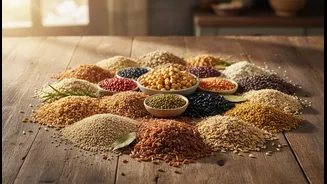
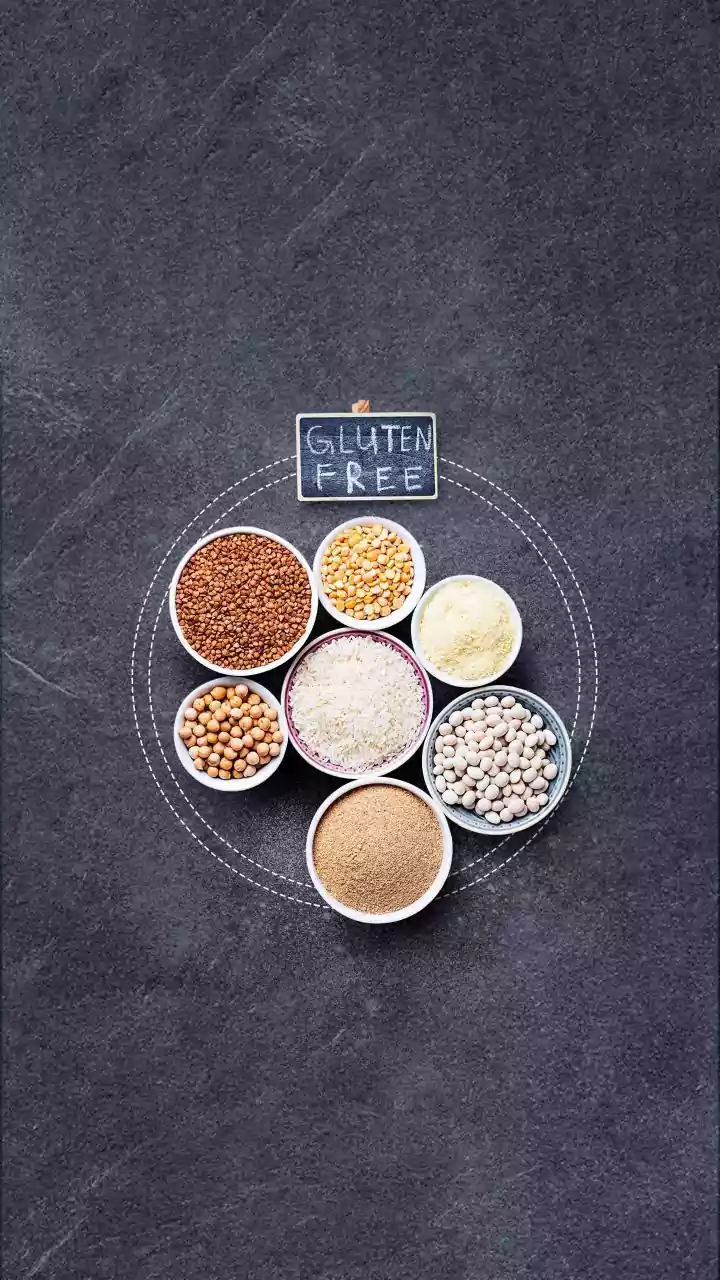
process. This means the sugar from the carbs is released into your bloodstream more gradually, preventing those sharp spikes and subsequent crashes in energy and blood sugar. Soluble fibre, in particular, forms a gel-like substance in your stomach, which helps you feel full for longer and can aid in blood sugar control. In the context of an Indian diet, this means choosing whole grains like millets (jowar, bajra, ragi), brown rice, and whole wheat atta over their refined counterparts. Legumes and dals, such as chickpeas, kidney beans, and lentils, are also fantastic sources of both complex carbs and fibre.
The Form of Your Food Matters
The second principle is to consider the 'form' of the carbohydrate. Is it in its natural, whole state, or has it been heavily processed? Whole foods are those that are as close to their natural form as possible, like a whole apple, a potato with its skin, or a kernel of corn. Processed foods, on the other hand, have been altered, often stripping them of valuable nutrients and, crucially, fibre. A classic example is the difference between whole wheat flour (atta) and refined white flour (maida). The refining process removes the fibrous bran and nutrient-rich germ, leaving behind a fine starch that your body digests very quickly. This leads to a rapid increase in blood sugar. Similarly, eating a whole fruit is better than drinking its juice. The whole fruit contains fibre that slows sugar absorption, while juice provides a concentrated hit of sugar without the fibre to buffer it. Your body also expends more energy digesting whole foods compared to processed ones, which is another small metabolic advantage.
The Overall Meal: It's All About Teamwork
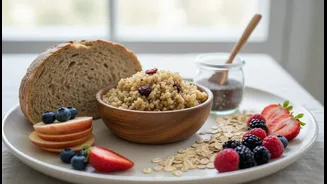
Finally, no carbohydrate is eaten in isolation. The other components of your meal play a huge role in how your body processes carbs. This is perhaps the most practical and powerful principle to apply. Pairing your carbohydrates with protein, healthy fats, and more vegetables can significantly lower the overall glycemic response of the meal. Both protein and fat take longer to digest than carbohydrates, effectively slowing down the absorption of sugars into the bloodstream. This is a concept that is naturally built into traditional Indian meals. A plate consisting of roti (carb), dal (protein and fibre), and sabzi (fibre and nutrients) is a perfect example of a balanced meal. So, instead of eating a plate of plain white rice, having a smaller portion with a generous serving of dal, paneer, or chicken, and a side of vegetable salad makes a huge difference. The addition of protein and fibre turns a potentially high-glycemic meal into a more balanced one with a gentler effect on your blood sugar.