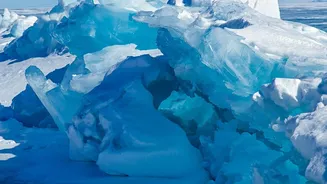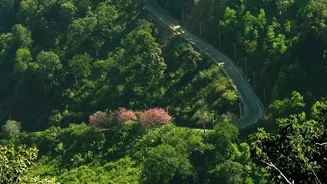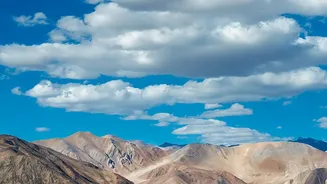

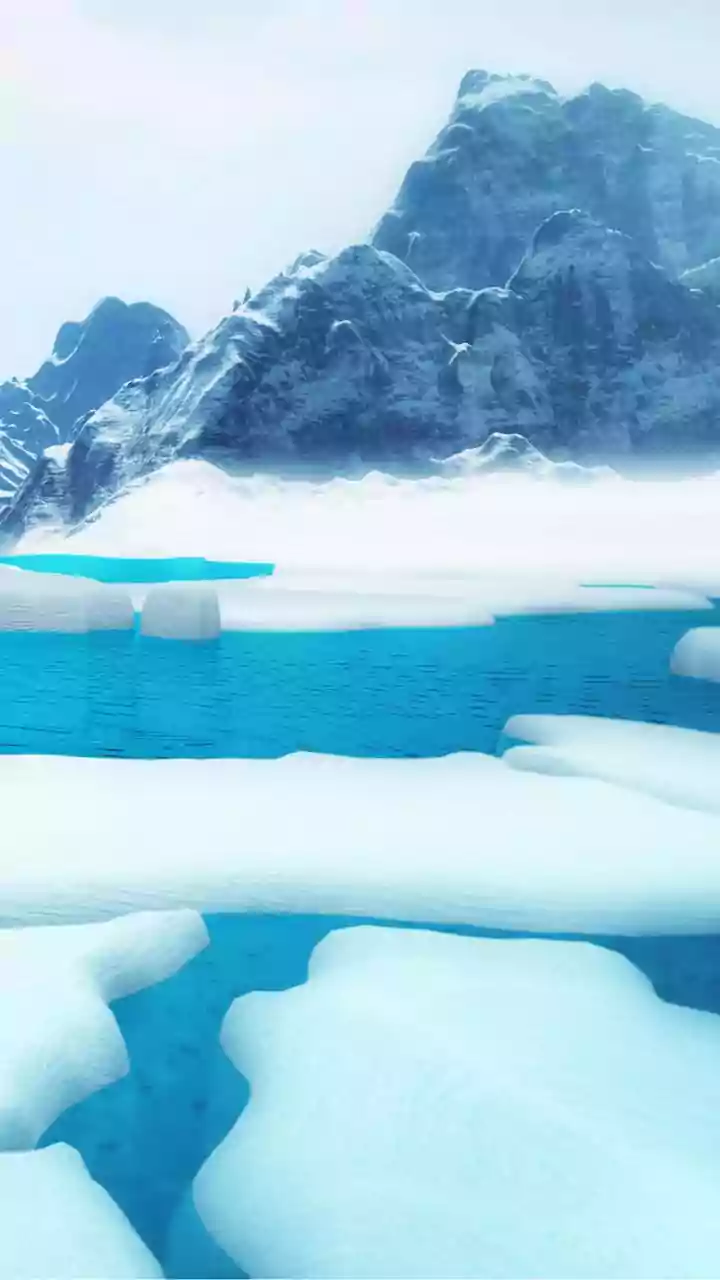
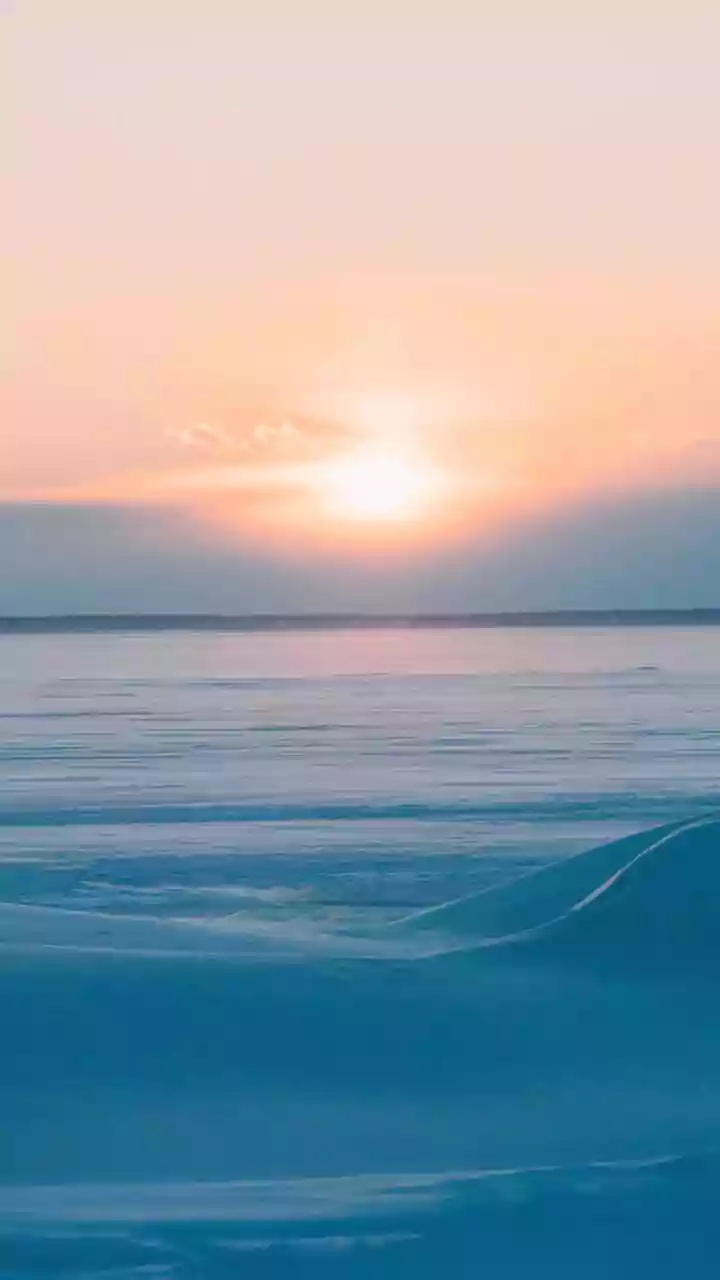
As winter drapes the Himalayas in a blanket of white, the high-altitude lakes of India transform into frozen spectacles. For the adventurous traveller, Ladakh's Pangong Tso and Sikkim's Tsomgo Lake offer two distinct yet equally magical experiences.
Pangong Tso: A Vast, Frozen Expanse
Immortalised
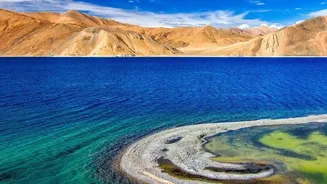
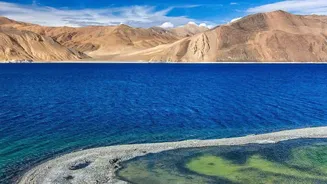
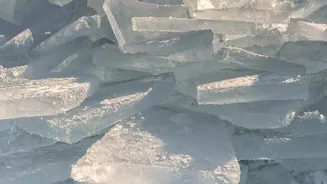
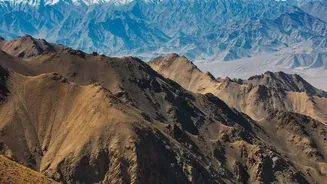
on the silver screen, Pangong Tso is a name that evokes images of a seemingly endless ribbon of blue water against barren, sun-drenched mountains. Located in eastern Ladakh at a breathtaking altitude of about 4,350 metres, this saltwater lake stretches over 130 kilometres, with a significant portion lying across the border in Tibet. In the cold-weather months, from November onwards, this landscape undergoes a dramatic transformation. Temperatures plummet, often dropping well below -20°C, and the lake's surface freezes solid, creating a vast, shimmering sheet of ice. The journey to Pangong from Leh is an adventure in itself, a 5 to 6-hour drive that crosses the formidable Chang La pass, one of the world's highest motorable roads. This epic journey, combined with the stark, high-altitude desert scenery, makes a trip to Pangong a profound experience in scale and solitude.
Tsomgo Lake: Sikkim’s Glacial Jewel
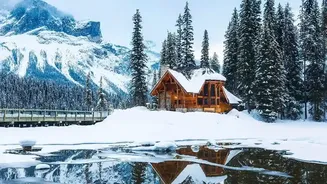
In the Eastern Himalayas, nestled about 40 kilometres from Sikkim's capital, Gangtok, lies Tsomgo Lake, also known as Changu Lake. At an altitude of around 3,750 metres, it is more accessible than Pangong but no less enchanting. Surrounded by steep, rocky slopes that are often dusted with snow in winter, Tsomgo feels more intimate and alpine. Fed by melting glaciers, the lake is sacred to the local Sikkimese people. During the cold season, typically from December to March, the lake often freezes over, and the surrounding area becomes a winter wonderland. The relatively short two-hour drive from Gangtok makes it a popular day trip. Visitors can often enjoy yak rides along the shore and take a ropeway for panoramic views of the icy landscape. The experience at Tsomgo is one of accessible wonder, offering a picture-perfect glimpse into the Himalayan winter.
The Journey: Epic vs. Accessible
Choosing between Pangong and Tsomgo often comes down to the kind of journey you seek. Reaching Pangong is a commitment. It requires a minimum of an overnight stay, not just because of the long drive from Leh but also to manage the severe altitude. Flying into Leh at 3,500 metres requires at least two days of acclimatisation before even attempting the drive to Pangong's even higher elevation. Tsomgo, on the other hand, is a much more manageable day trip from Gangtok. While the altitude gain is still significant, the lower elevation of both Gangtok and the lake itself makes it a less physically demanding excursion. For travellers short on time or those concerned about extreme high-altitude travel, Tsomgo provides a stunning Himalayan lake experience without the multi-day expedition that Pangong demands.
Permits and Essential Planning
Both lakes are situated in sensitive border regions, and all visitors require permits. For Pangong Lake, Indian citizens need to arrange for fees and documentation, which has replaced the traditional Inner Line Permit (ILP), a process that can be done online or through a travel agent in Leh. Foreign nationals need a Protected Area Permit (PAP) and must travel in a group of at least two, arranged via a registered local agent. Similarly, visiting Tsomgo Lake requires a permit for all tourists, including Indian nationals. These are typically arranged a day in advance by registered tour operators in Gangtok. Foreigners are permitted to visit Tsomgo Lake but generally cannot proceed to nearby Nathu La Pass, which is open only to Indian citizens. For either destination, it is crucial to carry your original photo ID and multiple copies of your documents.
Which Winter Lake Is for You?
Your choice depends on your appetite for adventure and the time you have. Pangong Tso is for the traveller seeking an epic, almost otherworldly experience. It is a journey into a vast, stark, and silent landscape that demands respect for its scale and altitude. The reward is a sense of profound isolation and the unforgettable sight of a frozen inland sea. Tsomgo Lake is ideal for those who want a magical winter experience that is more easily accessible. It offers the quintessential frozen lake scenery, complete with snow and yaks, within a day's reach of Gangtok. It’s a perfect introduction to the beauty of the Himalayas in winter without the extreme logistical and physical challenges of a high-altitude Ladakhi expedition. Both lakes offer a unique window into the serene and harsh beauty of the Himalayas under a blanket of ice and snow.