



The Symphony of the Monsoon
There's a unique magic to the Indian monsoon. It’s more than just a weather pattern; it's a multi-sensory experience. It’s the earthy scent of petrichor rising from parched soil, the rhythmic drumming of rain on a tin roof, and the cool breeze that offers
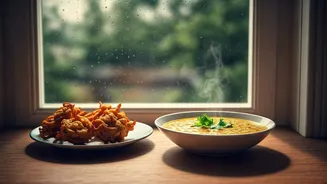
a welcome respite from the heat. This change in atmosphere does something to us. It makes us want to slow down, find a cozy corner by the window, and indulge in a simple pleasure. And more often than not, that pleasure is tied to food.
The Science of the Craving
This isn't just nostalgia or poetic fancy; there’s a bit of science at play. When the sky is overcast and sunlight is scarce, our serotonin levels can dip, making us feel a bit sluggish or low. Our bodies instinctively seek a pick-me-up, and what’s a faster mood-booster than carbohydrates? Hot, fried foods, in particular, provide a double-whammy of comfort. The warmth is soothing, while the crispy texture and savoury taste trigger a release of feel-good chemicals in our brains. It’s a biological request for happiness, delivered on a platter.
The Unbeatable Rainy Day Champion
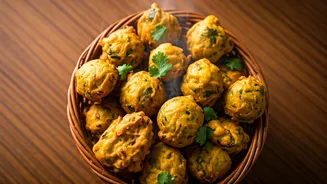
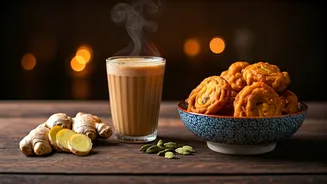
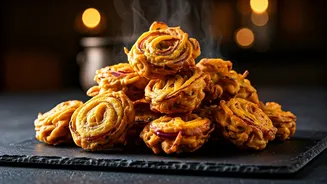
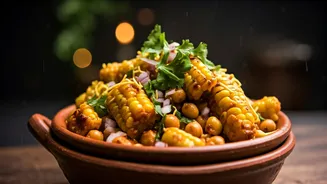
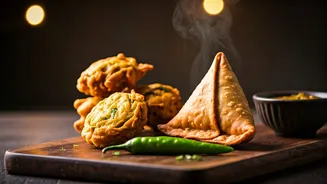
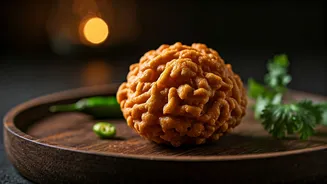
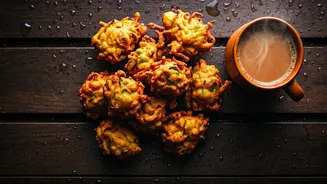
So what is the one thing that satisfies this deep-seated rainy-day craving across the length and breadth of India? It's not pizza or a burger. It's the humble, yet magnificent, pakora. Known as bhajiya, bhaji, or ponako in different regions, this deep-fried fritter is the undisputed champion of monsoon snacking. Whether it's made with onion, potato, spinach, or paneer, the pakora, when paired with a steaming cup of adrak wali chai (ginger tea), creates a culinary experience that is greater than the sum of its parts. It's a tradition, a ritual, a warm hug in food form.
The Ultimate Crispy Onion Pakora Recipe
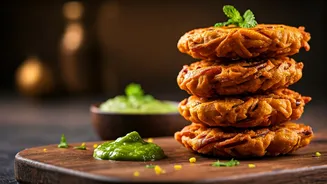
The perfect pakora is a thing of beauty: golden brown, unbelievably crispy on the outside, and soft and flavourful within, never greasy. Here’s how to achieve it. **Ingredients:** - 2 large onions, thinly sliced - 1 cup besan (gram flour) - 1/4 cup rice flour (the secret to crispiness) - 1-2 green chillies, finely chopped - 1 teaspoon ginger-garlic paste (optional) - 1 teaspoon ajwain (carom seeds) - 1/2 teaspoon turmeric powder - 1 teaspoon red chilli powder (or to taste) - A handful of fresh coriander, chopped - Salt to taste - Water (as needed) - Oil for deep-frying **Method:** 1. In a large bowl, combine the sliced onions, salt, green chillies, ginger-garlic paste, ajwain, turmeric, and red chilli powder. Mix well with your hands, gently squeezing the onions to release their moisture. Let this sit for 10 minutes. 2. The onions will have released a good amount of water. Now, add the besan, rice flour, and chopped coriander to the bowl. 3. Mix everything together without adding any water first. The moisture from the onions should be enough to start forming a thick, coarse batter that clumps together. 4. If the mixture is too dry, add water one tablespoon at a time. You want a very thick batter, not a runny one. This is key to crispy, non-oily pakoras. 5. Heat oil in a kadhai or deep pan over medium-high heat. To check if the oil is ready, drop a tiny bit of batter into it. If it sizzles and rises to the surface quickly, the oil is at the perfect temperature. 6. Carefully drop spoonfuls of the batter into the hot oil, being careful not to overcrowd the pan. Fry for 3-4 minutes, turning occasionally, until the pakoras are golden brown and crisp. 7. Remove with a slotted spoon and drain on a plate lined with absorbent paper.
Pro Tips for Pakora Perfection
Want to elevate your pakora game? First, don't skip the rice flour; it’s a game-changer for crunch. Second, resist the urge to add too much water to your batter. A thick, clumpy batter makes for a crispier, more interesting texture. Finally, the 'double fry' method used by street vendors works wonders. Fry the pakoras until they are light golden and about 80% cooked. Remove them from the oil. Just before serving, increase the heat to high and fry them again for 30-60 seconds until they are a deep golden brown. This guarantees an unbeatable, long-lasting crunch. Serve immediately with mint-coriander chutney or tomato ketchup, and of course, a hot cup of chai.