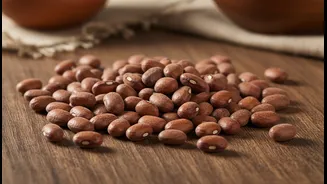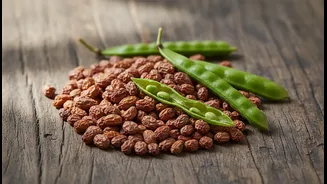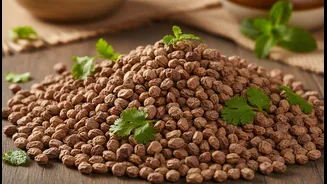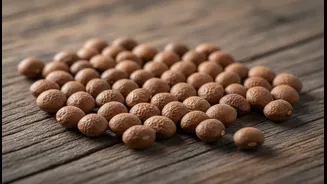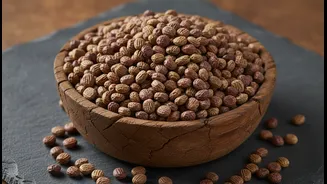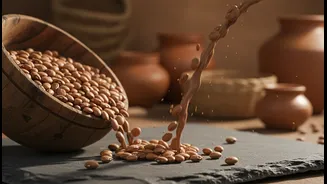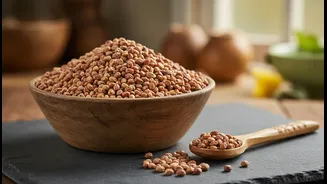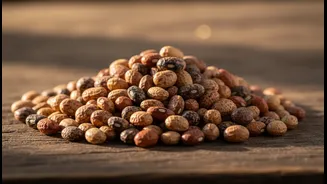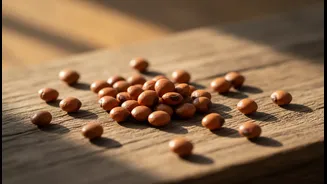



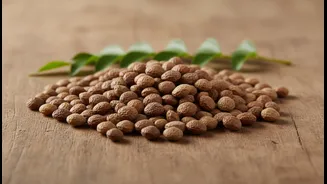
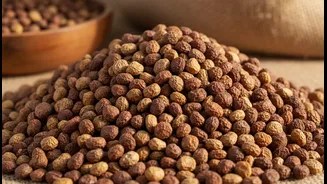
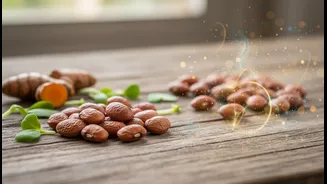


What is Horse Gram?
Known as kollu in Tamil, ulavalu in Telugu, and kulthi in Hindi, horse gram (Macrotyloma uniflorum) is a small, resilient legume that has been cultivated in India for thousands of years. Historically, it earned its English name because it was used as a high-energy
feed for horses and cattle. Often called a “poor man’s pulse,” it was a nutritional staple in rural and arid regions due to its ability to thrive in harsh conditions. In traditional systems like Ayurveda, it is considered a “heating” food, valued for its ability to generate warmth and energy.
A Nutritional Powerhouse
Don't let its humble origins fool you; horse gram is packed with nutrients. It has one of the highest protein contents among lentils and is an excellent source of plant-based protein for vegetarians. It is also rich in dietary fibre, which aids digestion and promotes a feeling of fullness. Furthermore, it is loaded with essential minerals, including having the highest calcium content among pulses, as well as significant amounts of iron and phosphorus. This impressive profile supports everything from muscle repair and bone health to preventing anaemia.
Why is it Making a Comeback?
The renewed interest in horse gram is driven by a larger wellness movement that champions local, indigenous, and sustainable foods. As people become more health-conscious, they are rediscovering ancient grains and pulses that offer significant benefits. Nutritionists and chefs are highlighting its role in managing modern lifestyle issues. Traditional Ayurvedic texts have long praised it for various properties, and modern science is beginning to corroborate some of these claims. Studies have noted its potential in helping to regulate blood sugar levels due to its low glycemic index and in managing cholesterol. Its high fibre and protein content also make it a popular choice for weight management.
Easy Ways to Use Kollu in Your Kitchen
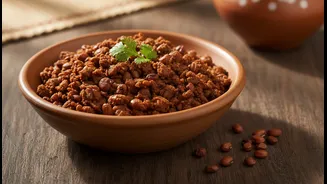
Incorporating horse gram into your diet is simpler than you think. The key is preparation: the lentils are tough and must be soaked overnight (for at least 8 hours) before being pressure-cooked until tender. Once cooked, the possibilities are endless. The water used for boiling is nutrient-rich and forms the base for a flavourful and peppery Kollu Rasam, a traditional remedy for colds. The cooked lentils can be mashed into a dal, stir-fried into a 'sundal' or 'palya' with coconut and spices, or blended into a chutney. For a modern twist, add sprouted horse gram to salads for a crunchy, nutritious boost, or grind roasted kollu into a powder (podi) to sprinkle over idlis, dosas, or even mix with rice and ghee.
A Few Words of Caution
While incredibly beneficial, horse gram should be consumed in moderation. Due to its classification as a 'heating' food in Ayurveda, overconsumption may cause digestive discomfort for some. It also contains compounds that can cause gas and bloating, especially if not prepared properly by soaking and cooking thoroughly. As a general rule, it's wise to introduce it into your diet gradually. Pregnant women are traditionally advised to avoid it.