


A Digital Stress Test in Orbit
Researchers recently conducted a sophisticated simulation to model a hypothetical, high-impact event in low Earth orbit (LEO). The study wasn't a prediction, but a stress test designed to probe the resilience of the thousands of satellites that circle
our planet. The scenario involved a theoretical detonation, which would not just destroy nearby satellites but also create a persistent belt of charged particles trapped by Earth's magnetic field. This artificial radiation zone would continuously bombard and disable satellites long after the initial event, posing a severe threat to the entire LEO ecosystem where mega-constellations like Starlink operate.
The Cascade Effect
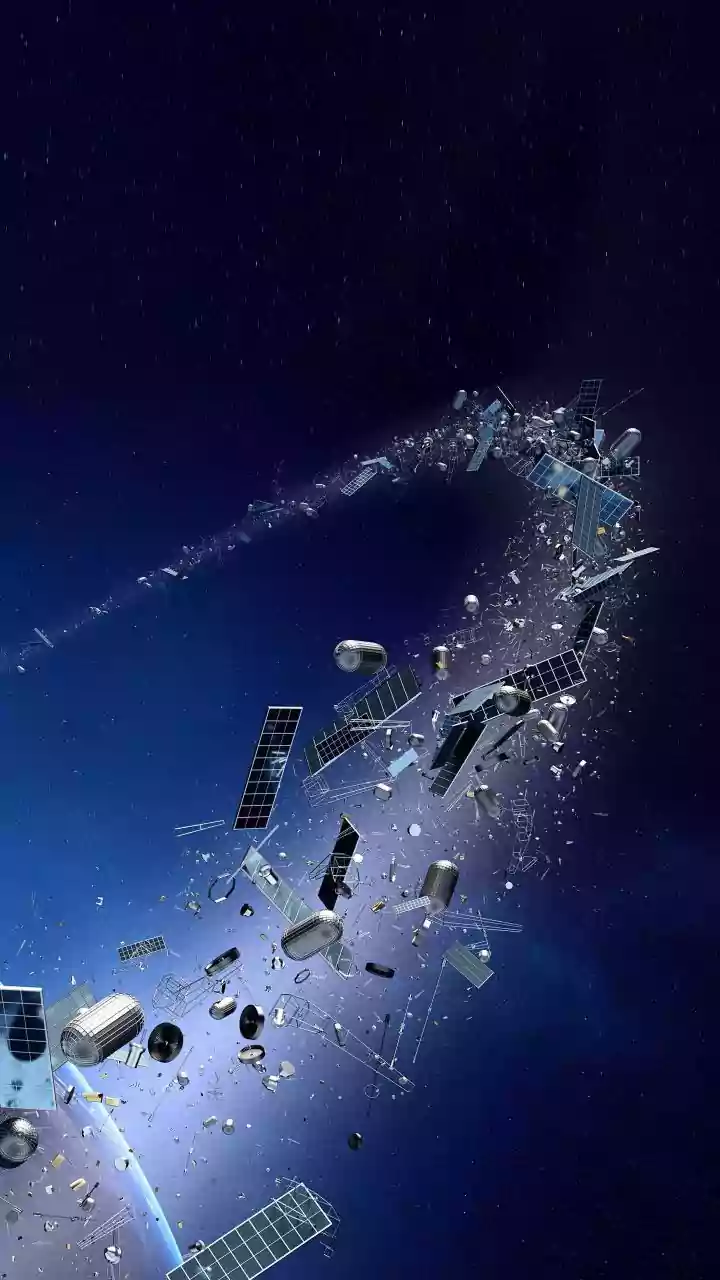
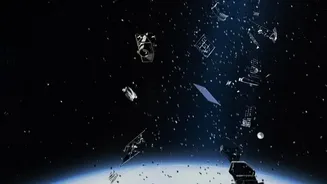
The simulation's most alarming finding was the speed and scale of the potential fallout. In the hypothetical scenario, the artificial radiation belt was projected to disable the vast majority of LEO satellites within a week. This would create a secondary crisis: a dramatic increase in dangerous space debris. With thousands of now-defunct satellites tumbling uncontrolled, the probability of collisions would skyrocket. This is the core of the 'Kessler Syndrome', a long-theorised scenario where one collision creates debris that triggers a chain reaction of more collisions, eventually rendering entire orbital bands unusable. The simulation projected around 20 major collisions within two years, further polluting these critical pathways.
Our Invisible Dependence
For the average person in India, the concept of orbital fragility can feel distant. Yet, the reality is that our modern economy and daily routines are deeply intertwined with this infrastructure. Satellite services are vital for critical sectors including finance, transportation, and electricity grids. In India, they are crucial for extending digital connectivity to rural and remote areas, supporting everything from telemedicine to online education and digital payments. They enable disaster management when terrestrial networks fail and are indispensable for national security and strategic communications. A prolonged degradation of these services, as the simulation suggests, would disrupt everything from supply chains and banking to weather forecasting and emergency response.
The Search for Solutions
While the simulation presented a worst-case scenario, it underscores a real and growing problem: the increasing congestion and vulnerability of Earth's orbit. Experts and space agencies are actively working on solutions. The European Space Agency (ESA) is championing a 'Zero Debris' approach for future missions, mandating that new satellites can safely dispose of themselves at the end of their life. Other mitigation strategies focus on improving Space Situational Awareness (SSA) to better track objects and avoid collisions. In the long term, technologies for active debris removal (ADR) are being developed by companies like Astroscale to capture and de-orbit larger pieces of existing junk. For India, which has ambitions to become a major commercial space partner, ensuring the sustainability of the orbital environment is both a national and global priority.