





Understanding the Rain Shadow
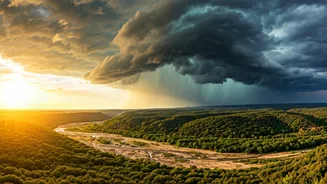
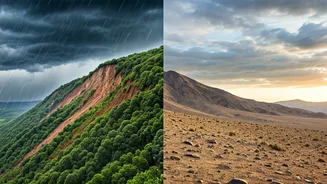
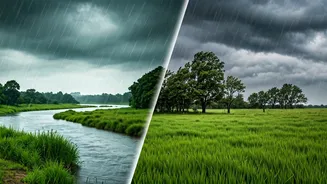
Before diving into destinations, it's helpful to understand what a 'rain shadow' is. It’s a simple but powerful geographical phenomenon. When moisture-laden winds, like the monsoon, encounter a mountain range, they are forced to rise. As the air ascends,
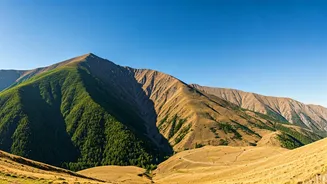
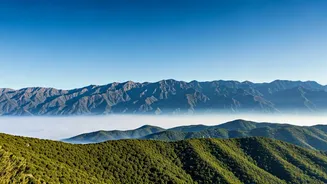
it cools, and the moisture condenses and falls as rain on the windward side of the mountains. By the time the air crosses over to the other side (the leeward side), it has lost most of its moisture. This descending dry air creates a 'shadow' of arid or semi-arid climate. In India, the Himalayas in the north and the Western Ghats in the south create significant rain-shadow regions, making them perfect for a July getaway.
Ladakh: The Ultimate Cold Desert
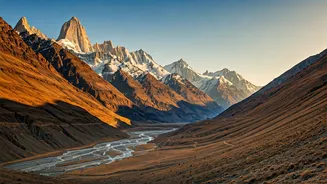
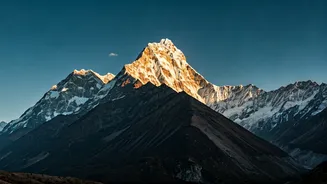
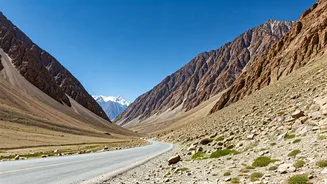
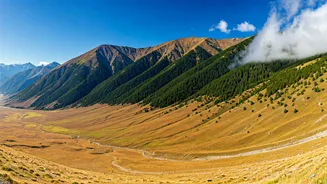
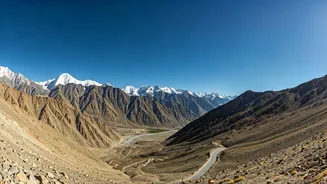
When you think of a monsoon escape, Ladakh should be at the top of your list. Tucked away on the leeward side of the great Himalayas, Ladakh is a high-altitude cold desert that receives minimal rainfall, even in the thick of July. While the rest of the country deals with downpours, Ladakh offers crisp, sunny days and stunningly clear blue skies. July is, in fact, one of the best months to visit. Both the primary road arteries—the Manali-Leh and Srinagar-Leh highways—are typically open, granting access to its otherworldly landscapes. You can explore the surreal beauty of Pangong Tso, drive through the high passes like Khardung La, and visit ancient monasteries that seem to cling to the mountainsides. The weather is pleasant, with daytime temperatures comfortable enough for sightseeing and adventure activities.
Spiti Valley: A World Within a World
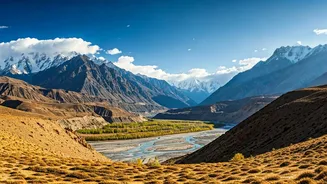
Much like Ladakh, the Spiti Valley in Himachal Pradesh is a cold desert region shielded by the Himalayas from the monsoon clouds. While the routes to Spiti, especially from Manali, might see some rain, the valley itself remains surprisingly dry and accessible. July is when Spiti is in its prime; the snow has melted, revealing a starkly beautiful landscape of barren mountains, lush green patches along the Spiti River, and ancient Buddhist monasteries like Key and Tabo. The weather is comfortable for travel, with daytime temperatures perfect for exploring villages like Kaza and Kibber. The roads within the valley are open, allowing you to complete the famous Spiti circuit and witness its dramatic, high-altitude scenery without the worry of incessant rain.
The Eastern Side of the Western Ghats
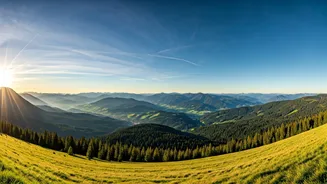
While the northern rain-shadow regions are well-known, the south has its own secret escapes. The Western Ghats create a formidable barrier for the southwest monsoon. As a result, the eastern slopes and the adjoining Deccan Plateau receive significantly less rainfall. This region, covering parts of Tamil Nadu and interior Karnataka, becomes an intriguing travel option. Towns like Pollachi, near Coimbatore, sit in this drier belt. While the surrounding region turns lush green, Pollachi itself enjoys a pleasant climate, making it a great base to explore nearby attractions without being drenched. Though it receives more rain than Ladakh, the showers are often short and the landscape is vibrant, offering a different kind of monsoon experience—one where you can enjoy the greenery without the travel disruptions common on the windward side.