




Why Rushing Introductions Can Fail
For a pet, a new home is a flood of unfamiliar sights, sounds, and smells. People often want to shower a new animal with love immediately, but this can backfire. Rushing an introduction—whether to a new family member, another pet, or a new environment—can
cause sensory overload, leading to fear and anxiety. This stress can manifest as hiding, aggression, or other unwanted behaviours. When an animal feels cornered or overwhelmed, their survival instincts kick in. This fight-or-flight response is the opposite of the calm, happy state you want to encourage. A bad first experience can create lasting negative associations, making future socialisation much more difficult. Forcing interactions can break trust before it even has a chance to form.
The Power of Observation
Allowing a pet to observe from a safe distance is a core principle of animal behaviour modification known as desensitisation. It empowers them by giving them control. Instead of being forced into a situation, they are allowed to process it at their own pace. From a distance, they can gather information about a new person or another animal without feeling threatened. This simple act of watching helps them understand that the new element is not a danger. It’s about changing their emotional response from fear to neutrality, and eventually, to curiosity or acceptance. This method respects the animal's natural instincts and builds a foundation of security, teaching them that you are a protector who understands their needs.
Creating a Secure Safe Zone
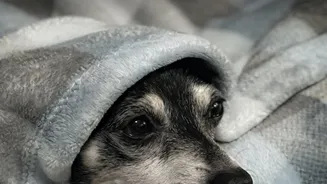
Every pet needs a sanctuary where they can retreat when feeling anxious. Before an introduction, or when bringing a new pet home, establishing a 'safe zone' is critical. This should be a quiet, low-traffic area like a spare bedroom or a blocked-off corner. For a new cat, this room should contain everything they need: food, water, a litter box, and hiding spots. For a dog, a comfortable crate with the door left open can serve as their den. This space should be off-limits to other pets and children. It is not a punishment area, but a personal haven where the pet can decompress and feel secure. Having this reliable retreat gives them the confidence to explore new situations, knowing they can always return to safety if things become too much.
How to Read Their Body Language
Understanding your pet's signals is key to knowing when they feel safe and when they are stressed. For dogs, subtle signs of anxiety include lip licking, yawning when not tired, showing the whites of their eyes (whale eye), and tense ears. A relaxed dog will have a loose, wiggly body and a softly wagging tail. For cats, stress can be seen in flattened ears, a rapidly twitching or tucked tail, and wide, dilated pupils. A calm cat might blink slowly, hold its tail high with a slight curve, or have a relaxed posture. By recognising these early warning signs, you can increase the distance or end the interaction before your pet becomes truly overwhelmed.
A Step-by-Step Introduction
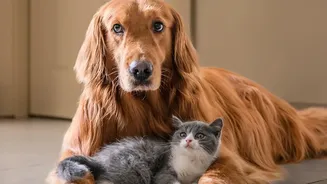
Successful introductions are gradual and can take days or even weeks. Start by swapping scents; give each pet a blanket with the other's smell on it. Next, allow brief visual contact through a baby gate or a slightly cracked door, associating the sight with something positive like treats. This is a form of counter-conditioning, where you change a negative feeling into a positive one. For dogs, the first face-to-face meeting should be short and on neutral territory, like during a walk. Keep leashes loose to avoid transmitting tension, and keep the interaction brief, ending on a positive note. Gradually increase the duration of these supervised meetings as long as both pets remain calm and comfortable. Never allow them to fight, as this can set the process back significantly.