




The Illusion of the One-Litre Pouch
On the surface, the one-litre bottle or pouch seems like the default, sensible option. It's easy to carry, fits neatly in the pantry, and the price feels manageable. However, this convenience often comes at a hidden cost. The real measure of value is the price per
litre, and this is where bulk buying often wins. For example, a five-litre can of oil is almost always cheaper on a per-litre basis than buying five individual one-litre pouches. While the upfront cost is higher, the long-term savings can be significant, especially with cooking oil prices being influenced by global factors and import duties.
Know Your Kitchen's Consumption Rate
The decision to buy in bulk hinges entirely on one crucial factor: how quickly you will use it. A large family that enjoys frequent fried snacks and cooks most meals at home will go through oil much faster than a single person or a couple who eats out often. Before you commit to a 15-litre tin, take an honest look at your cooking habits. Track how long a one-litre pack lasts. If you're finishing it within a week or two, graduating to a five-litre container is a logical next step. If that one-litre pouch lasts for over a month, the risks of spoilage with a larger pack might outweigh the savings.
The Race Against Rancidity
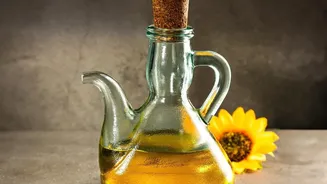
The biggest argument against buying oil in bulk is the risk of it going bad. All cooking oils have a shelf life, and they degrade over time through a process called oxidation, which happens when the oil is exposed to air, light, and heat. This can result in a rancid oil with an unpleasant smell and taste that ruins your food. Most common refined oils like sunflower, groundnut, and soybean oil are best used within 6 to 12 months of being opened. Cold-pressed oils have an even shorter lifespan, often just a few months. So, if that 15-litre tin is going to sit in your kitchen for over a year, the money you saved on the purchase will be lost when you have to throw the last few litres away.
Smart Storage Is Your Best Defence
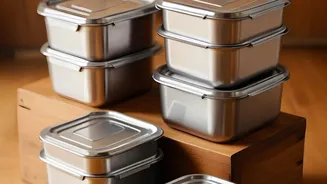
If you do decide to buy in bulk, proper storage is non-negotiable. The enemies of fresh oil are heat, light, and air. The ideal storage spot is a cool, dark place like a pantry or a lower kitchen cabinet, far from the stove. Light can speed up spoilage, so metal tins or dark glass bottles are better for long-term storage than clear plastic. For very large containers, consider decanting a smaller amount into a bottle for daily use. This minimises the larger container's exposure to air each time you cook, keeping the bulk of your oil fresher for longer.
Finding Your Household's Sweet Spot
So, what is the best value? It’s a personal calculation. For a high-consumption household, a 5-litre or even 15-litre container of a versatile, high-smoke point oil like sunflower or groundnut oil makes perfect financial sense, provided you have the right storage space. For smaller households or for specialty oils like sesame or extra virgin olive oil which are used more sparingly, buying smaller packs is smarter to ensure they are always fresh. The government has recently moved to standardise pack sizes to make these comparisons easier for consumers.