




Meet the New Shoots
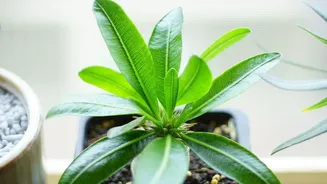
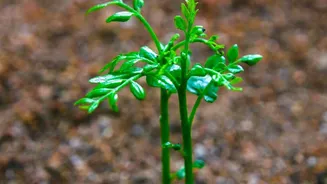
Those mysterious new growths have a few different names, depending on where and how they appear. You might hear them called suckers, basal shoots, or water sprouts. In botany, they're often the result of 'adventitious buds'—buds that develop in unusual
places like roots or the main trunk, rather than at the tips of branches. Suckers are shoots that arise from a plant's root system, sometimes popping up a fair distance from the main plant. Basal shoots, which are often desirable, emerge from the very base or crown of the plant. Water sprouts (or epicormic shoots) are similar growths that appear directly from the trunk or older branches, often from dormant buds hidden under the bark. Understanding the difference is key to knowing whether to be concerned or celebratory.
The Hormonal Command Centre
A primary reason these shoots stay hidden is a process called apical dominance. The main, uppermost bud of a plant (the apical bud) produces a hormone called auxin, which flows downward and suppresses the growth of buds lower down. This is the plant's way of focusing its energy on growing taller to compete for sunlight. However, if the top of the plant is damaged or pruned, this hormonal signal is disrupted. The flow of auxin is reduced, which allows other hormones, like cytokinins that promote bud growth, to take over and awaken the dormant buds at the base.
A Reaction to Stress or Injury
Often, a sudden burst of new shoots from the base is a plant's cry for help. This growth is a powerful survival mechanism, triggered by various stressors. Damage to the roots from nearby construction, soil compaction, or even a careless string trimmer can prompt the plant to send up suckers. Similarly, environmental stress like prolonged drought, disease, or a sudden increase in sunlight (perhaps because a neighboring tree was removed) can weaken the top of the plant and trigger this emergency growth. The plant is essentially trying to produce new leafy growth to photosynthesize and recover lost energy.
It's All in the Genes
For some plants, sending up new shoots from the base isn't a sign of trouble—it's just how they roll. Many shrubs, like lilacs and dogwoods, naturally form clumps or colonies by sending up basal shoots. This is their primary method of vegetative reproduction, allowing them to expand their territory. In these cases, the new shoots are genetically identical to the parent plant and are a sign of a healthy, vigorous specimen. This trait is also seen in trees like aspen, which can form entire groves connected by a single root system.
The Case of Grafted Plants
Many ornamental trees and fruit-bearing plants, especially roses, are grafted. This means the desirable top part of the plant (which produces the pretty flowers or tasty fruit) has been fused onto the sturdy root system of a different variety, known as the rootstock. If you see shoots appearing from below this graft point (usually a noticeable bulge near the base), they are suckers from the rootstock. These suckers are often more vigorous and will divert energy from the desired plant. If left unchecked, the rootstock can eventually take over completely.
To Keep or To Remove?
Deciding what to do with these new shoots depends entirely on the plant and the origin of the growth. If it's a sucker from the rootstock of a grafted plant, it must be removed. Trace it back to its point of origin and pull or tear it off if it's young and soft, or prune it flush against the root or trunk if it's woody. For trees under stress, removing the suckers is good practice, but it's more important to address the underlying cause of the stress, such as providing adequate water. However, if it's a desirable basal shoot on a shrub like a rose, it's a 'water shoot' that represents the plant's healthy renewal. This new cane will become a future source of flowers and should be encouraged.