
A Landscape Reborn in Green
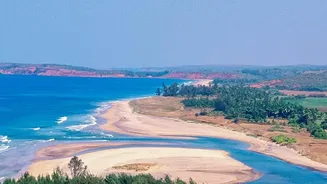
The most dramatic change the monsoon brings is the colour. The sun-scorched red earth and dry hills of summer give way to a breathtakingly vibrant green. The countryside, from the Western Ghats to the coastal villages, becomes a lush paradise. Rice paddies
fill with water, reflecting the overcast skies, and the entire state feels rejuvenated and intensely alive. This is the perfect time for scenic drives through the hinterlands, especially along the Chorla Ghat, where you can watch clouds roll over the mountains. For photographers and nature lovers, the diffused light and verdant scenery offer a visual feast unlike any other time of year.
Waterfalls in Their Full Glory
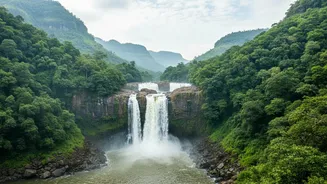
While many beach activities are off-limits, the rain brings Goa's inland water attractions to life. The famed Dudhsagar Falls, one of India's tallest, transforms into a powerful, thunderous cascade of white water, justifying its name, which means "Sea of Milk". Visiting during the monsoon allows you to see the falls at their absolute peak, a truly spectacular sight accessible via treks organised by local operators. Beyond Dudhsagar, numerous smaller, seasonal waterfalls appear throughout the state, offering fantastic trekking opportunities through the lush forests of wildlife sanctuaries like Bhagwan Mahavir.
Fewer Crowds and Better Deals
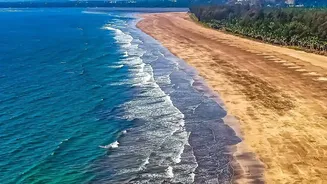
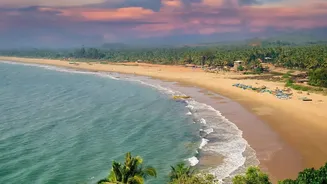
The monsoon is considered the off-season, which translates to two major benefits for travellers: fewer people and lower prices. The shoulder-to-shoulder crowds of December vanish, leaving beaches blissfully empty for long, quiet walks. This peace extends to cafes, restaurants, and heritage sites. You can explore the historic churches of Old Goa or the colourful lanes of Fontainhas in Panjim without the usual rush. This tranquility comes with significant savings, as flights and luxury hotels often cut their rates by 30-50%, making a premium Goan holiday much more accessible.
Unique Monsoon Experiences
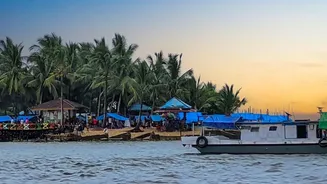
A rainy day in Goa is an opportunity, not a setback. The season unlocks unique activities that aren't available in the dry months. Adventure seekers can try white-water rafting on the Mhadei River, which swells with challenging rapids only during the monsoon. For a calmer experience, you can go kayaking through the serene backwaters and mangrove forests of the Chapora or Mandovi rivers. It's also an ideal time to explore Goa's rich culture. Visit a fragrant spice plantation near Ponda to see cardamom and vanilla ripening, take a pottery class, or simply settle into a cozy cafe to watch the rain with a warm drink.
What to Keep in Mind
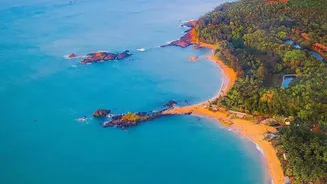
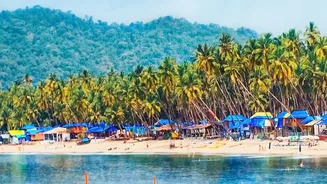
A monsoon trip requires some practical planning. Many of the temporary beach shacks are closed for the season, though permanent restaurants and bars remain open. Swimming in the sea is strictly prohibited and dangerous due to rough conditions and strong undercurrents. Pack waterproof footwear, a good raincoat or poncho, and quick-drying clothes. Mosquito repellent is a must. While the north Goan belts of Baga and Calangute have more establishments that stay open, South Goa offers a more profound sense of tranquility for those seeking to truly get away from it all.