





How Plants Clean the Air
You might have heard about a famous 1989 NASA study that found certain houseplants can remove common household toxins from the air. Through a process called phytoremediation, plants absorb pollutants like formaldehyde, benzene, and xylene through their
leaves and roots. While it is true that you would need a large number of plants to replicate the results from NASA's sealed chambers in a typical home, they absolutely contribute to a healthier indoor ecosystem. They also add beauty, regulate humidity, and can boost your mood, making them a worthy addition to any room.
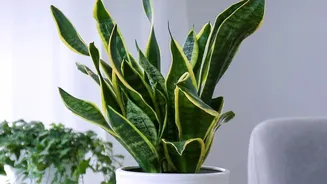
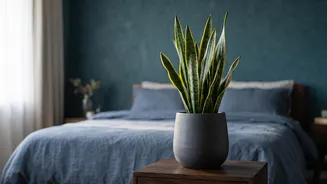
1. The Nearly Indestructible Snake Plant
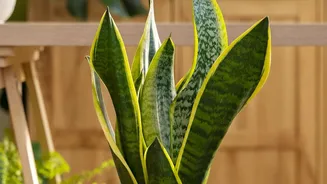
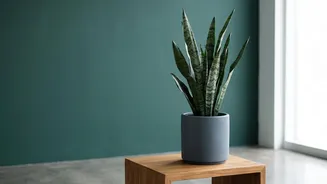
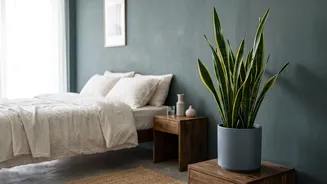
If you are new to plants, the Snake Plant (Sansevieria trifasciata) is your perfect starting point. It's famous for being one of the toughest houseplants available. What makes it exceptional for the bedroom is its ability to perform Crassulacean Acid Metabolism (CAM) photosynthesis. This means it releases oxygen at night, the opposite of most other plants, which can contribute to fresher air while you sleep. It's excellent at filtering formaldehyde, benzene, and other toxins from the air. It tolerates low light and infrequent watering, making it incredibly low-maintenance. Let the soil dry out completely between waterings to avoid root rot.
2. The Generous Spider Plant
The Spider Plant (Chlorophytum comosum) is another champion of easy-care greenery. It's known for its effectiveness in removing formaldehyde and xylene from the air. Some studies have shown it can be remarkably efficient in controlled environments. These plants prefer bright, indirect light but are quite adaptable. They are also non-toxic, making them a safe choice for homes with pets and children. A happy Spider Plant will produce small plantlets, or “pups,” that you can easily repot to create new plants for other rooms or to give away.
3. The Stylish ZZ Plant
The Zamioculcas zamiifolia, or ZZ Plant, is a modern favourite for its stylish, waxy leaves and incredible resilience. It’s a great choice for bedrooms because it tolerates very low light conditions and is extremely drought-tolerant. You only need to water it when the soil is completely dry. The ZZ Plant is also a capable air purifier, known to filter out toxins like xylene, toluene, and benzene. Its ability to thrive on neglect makes it ideal for busy individuals or those who travel often.
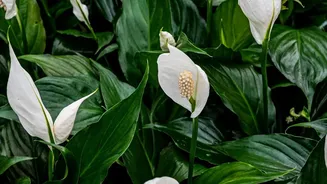
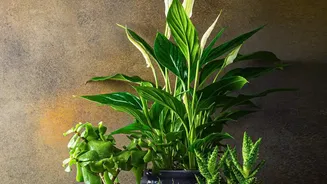
4. The Elegant Peace Lily
The Peace Lily (Spathiphyllum) is beloved for its beautiful dark green leaves and elegant white blooms. It’s also a powerhouse at cleaning the air, effectively removing pollutants like ammonia, formaldehyde, and benzene. It even helps reduce airborne mould spores, making it beneficial for those with respiratory sensitivities. While it enjoys medium, indirect light, it can tolerate lower light levels. A helpful feature is that its leaves will droop slightly when it needs water, taking the guesswork out of its care routine. Do note that Peace Lilies are toxic if ingested, so they should be kept away from children and pets.
5. The Versatile Pothos
Often called a Money Plant in India, Golden Pothos (Epipremnum aureum) is a common and hardy houseplant that works hard to clean your air. It’s very effective at removing toxins like formaldehyde, benzene, and carbon monoxide. Pothos is incredibly easy to care for, tolerating a wide range of light conditions and surviving occasional neglect. Its trailing vines look beautiful cascading from a shelf or a hanging basket, adding a lush, green feel to your bedroom. Like the Peace Lily, it is toxic if consumed, so place it accordingly.