



The New Mithai Manifesto
Across urban India, a new culinary movement is taking hold. Cafes and boutique sweet makers are reimagining what Indian sweets can be. This isn't about simply adding more ghee or silver leaf; it's a complete re-evaluation of form, flavour, and presentation.
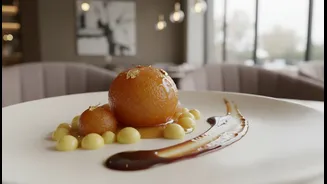
The 'luxe twist' means blending traditional Indian mithai with global pastry techniques, resulting in creations that are both familiar and shockingly new. Think of it as mithai 2.0: lighter, less sugary, and designed for a generation that appreciates both heritage and innovation. Chefs are deconstructing classics and using high-quality, often organic, ingredients to build them back up into something that feels both indulgent and contemporary.
What's on the Menu?
The creativity on display is staggering. Menus are brimming with inventive fusion desserts that sound like they belong in a MasterChef finale. You'll find Gulab Jamun Cheesecake, where the beloved sweet is baked into a creamy cheesecake, offering a delightful contrast in textures. Other cafes are serving Rasmalai Tiramisu, Motichoor Rabri Parfaits, and Gajar Halwa Crumble Tarts. Even the humble samosa gets an upgrade, filled with chocolate and served with ice cream. These creations go beyond simple fusion; they are thoughtful reinterpretations, like Thandai Mousse Cakes, Paan Panna Cotta, and even Jalebi 'Caviar' served with a light rabri foam. It’s a playful and delicious dialogue between Indian tradition and global dessert trends.
Beyond a Passing Trend
While it might be tempting to dismiss this as a passing fad, the roots of this movement run deep. It's driven by a new sense of confidence in Indian cuisine. Chefs are no longer just looking outwards for inspiration; they are looking inwards, at the vast and diverse palette of Indian flavours, and asking how they can be presented to a global audience. This revival is also giving mithai a renewed sense of cachet among younger, urban consumers who may have previously seen it as old-fashioned. By packaging sweets in elegant boxes and creating sophisticated flavour profiles like lavender motichoor or blueberry barfi, these new-age mithaiwalas are making tradition cool again.
The Instagram Effect
It’s impossible to talk about this trend without mentioning the power of social media. These desserts are, in a word, beautiful. In an age where we eat with our eyes first, the visual appeal of a perfectly plated Gulab Jamun Cheesecake or a multi-layered parfait is undeniable. Cafes are designing desserts that are not just delicious but also highly 'Instagrammable'. The intricate designs, vibrant colours, and elegant plating are crafted to be shared online, turning every customer into a potential marketer. This visual-first approach has created a virtuous cycle, where online buzz drives foot traffic, encouraging chefs to create even more visually stunning treats.
A Sign of the Times
Ultimately, the rise of luxe Indian sweets in cafes reflects broader changes in Indian society. It speaks to rising disposable incomes, increased global exposure, and a growing desire for curated experiences over simple consumption. Consumers are no longer just seeking a caffeine kick; they want a multi-sensory experience that includes innovative food, thoughtful design, and a great ambiance. This trend also caters to a more health-conscious diner, with many chefs creating lighter, portion-controlled, or even sugar-free versions of classic sweets. It's a movement that honours the past while looking firmly to the future, proving that even the most traditional recipes can evolve in exciting and unexpected ways.