




A Landscape Built for Speed
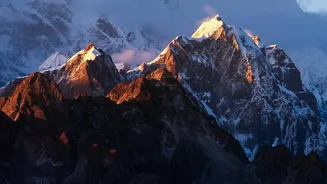
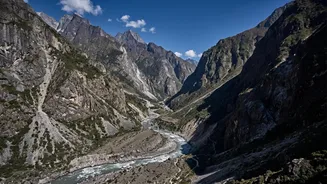
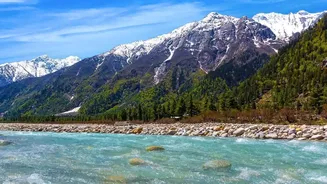
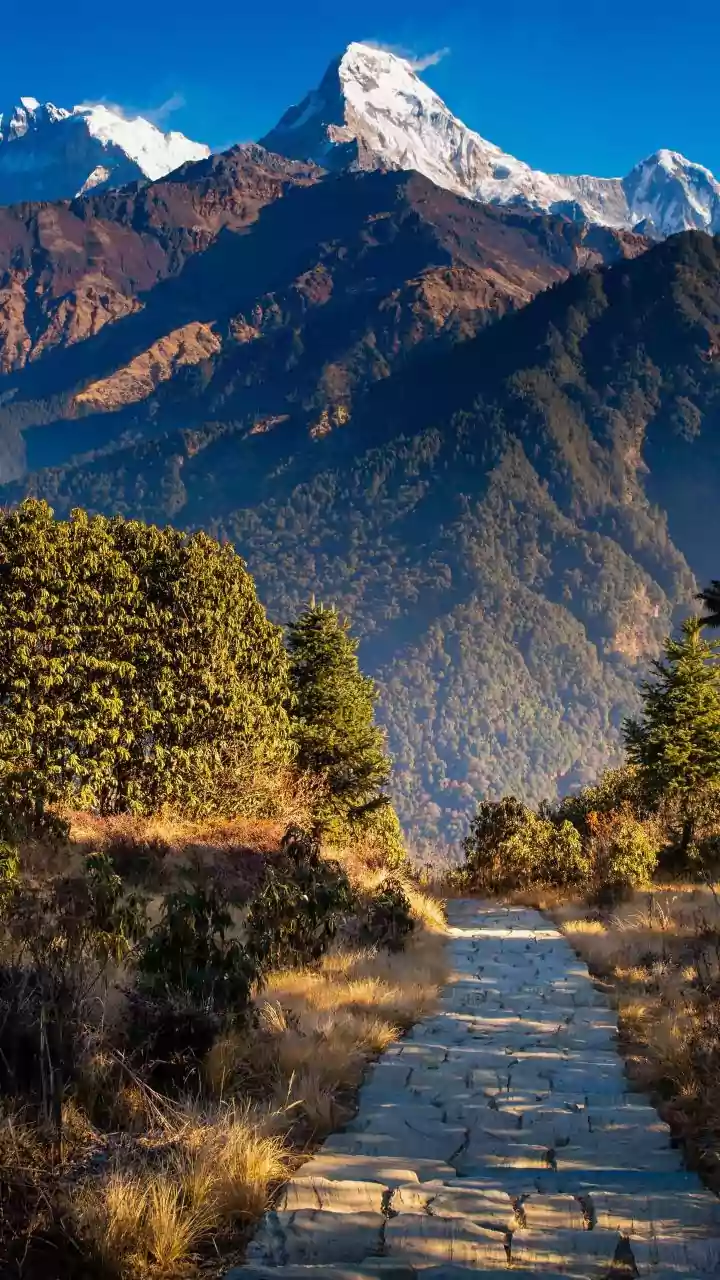
Nepal's geography is a primary reason its rivers are so volatile. The country is home to some of the world's steepest and most rugged terrain, with elevations dropping dramatically from the high Himalayas to the southern plains. These young, geologically
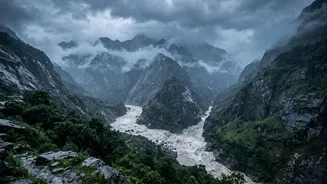
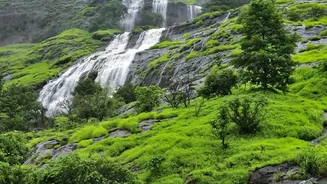
active mountains mean that rivers flow down incredibly steep gradients. When monsoon rains hit, this topography acts like a giant funnel, channeling immense volumes of water into narrow valleys. This process transforms otherwise calm streams into high-velocity torrents, giving communities downstream very little time to react to a sudden surge.
More Than Just Water: A Deluge of Debris
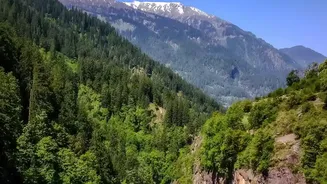
A key danger of Nepal's monsoon floods is that they are rarely just water. The steep, fragile slopes are prone to landslides, especially when saturated by relentless rain. The floods become debris flows—thick, fast-moving slurries of mud, rock, and uprooted trees. These flows have immense destructive power, capable of eroding riverbanks, destroying bridges, and burying entire settlements. This mixture of water and solid material moves like liquid concrete, making it far more destructive than a typical flood. Unplanned road construction and deforestation can further destabilize slopes, increasing the frequency and severity of these devastating landslides.
The Threat from Above: Glacial Lake Outbursts
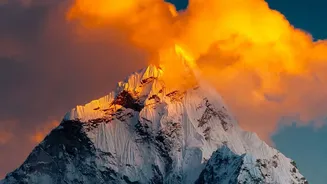
Climate change is adding a terrifying new dimension to the risk: Glacial Lake Outburst Floods (GLOFs). As Himalayan glaciers melt at an accelerated rate, they form large lakes dammed by unstable walls of rock and ice, known as moraines. These natural dams can fail suddenly due to pressure from the growing lake, an avalanche, or even an earthquake. A GLOF releases a massive, catastrophic torrent of water and debris downstream, often with no warning. Nepal has dozens of potentially dangerous glacial lakes, and these events represent one of the most extreme and unpredictable threats in the high mountains. These floods can occur even without immediate heavy rainfall in the local area, making them especially insidious.
When Landslides Create Their Own Floods
Sometimes, the danger isn't from a glacial lake but from a temporary one created by a landslide itself. A massive landslide can completely block a river's flow, creating a temporary dam. Water builds up quickly behind this blockage. When the dam eventually bursts under the immense pressure—which can happen within hours—it releases a sudden, violent flood wave downstream. These landslide dam outburst floods (LDOFs) are responsible for some of the most destructive flash floods, scraping riverbeds clean and causing immense damage to everything in their path.
The Human Factor
Natural forces are the primary drivers, but human activity often worsens the impact. Rapid and often unregulated urbanization means more people are living in high-risk areas, such as on floodplains and near riverbanks. The construction of infrastructure like roads and hydropower projects can destabilize fragile slopes if not planned carefully. Combined with deforestation that reduces the soil's ability to absorb water, these factors increase both the likelihood of disasters and the number of people and properties exposed to them. As communities expand, the margin for error in this dynamic landscape shrinks, turning natural hazards into human tragedies.