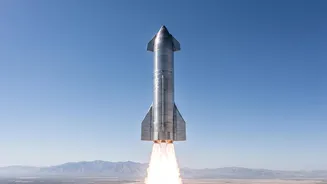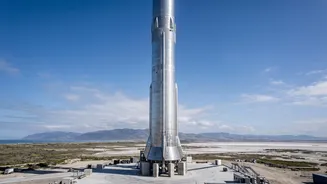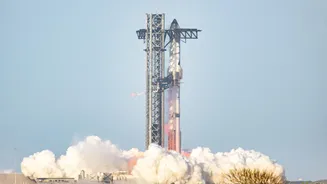

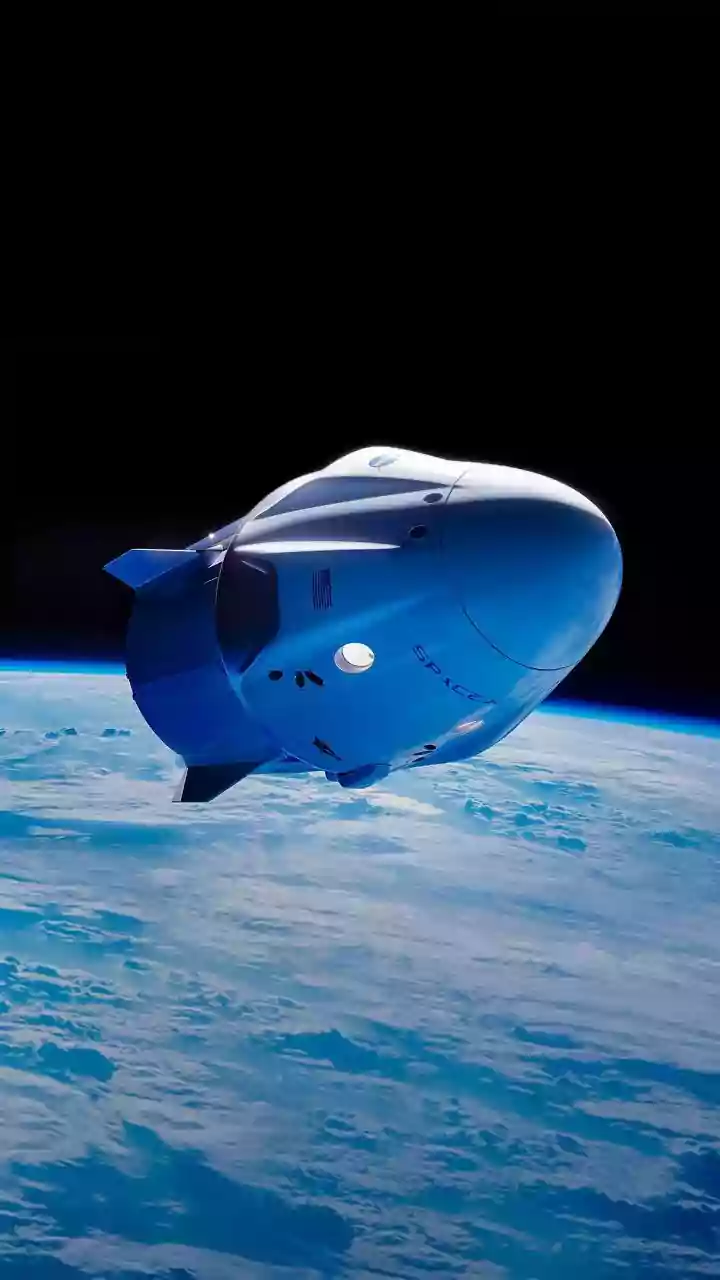
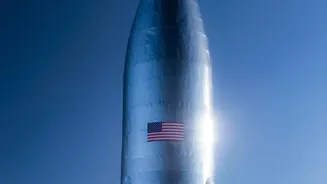
The largest and most powerful rocket ever built, SpaceX's Starship, is preparing for its next major test flight. For India, this mission carries a special excitement: the giant spacecraft is expected to soar high above the country.
What is Starship?
Imagine a vehicle so
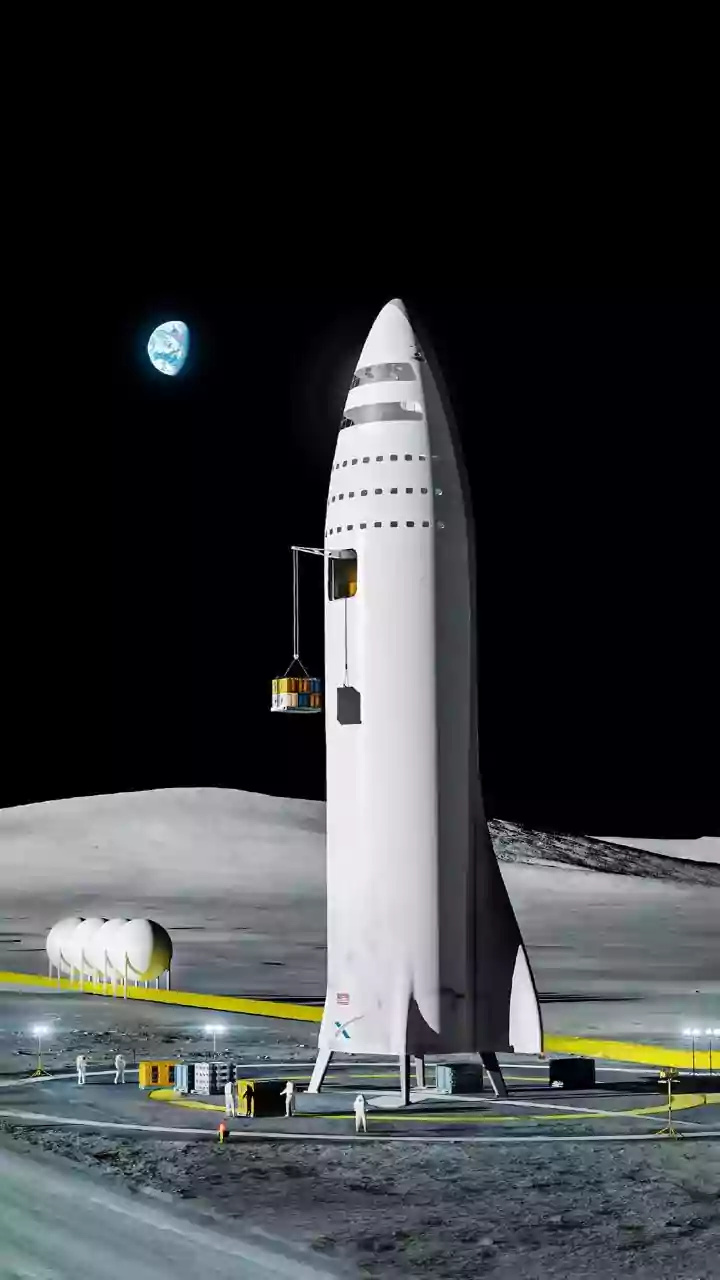
powerful it could redefine humanity's presence in space. That's Starship. Developed by Elon Musk's SpaceX, it is a fully reusable transportation system designed to carry both crew and cargo to Earth orbit, the Moon, and eventually Mars. Standing taller than the Qutub Minar at about 124 meters when stacked on its Super Heavy booster, it's the mightiest rocket ever developed. Its key innovation is its designed reusability. Both the massive booster and the upper-stage spacecraft are intended to return to Earth for vertical landings, a feat that could dramatically lower the cost of space access. The ultimate goal is ambitious: to enable the transport of up to 100 people on interplanetary journeys and make life multi-planetary.
A Fiery Path Across the Sky
The upcoming mission, designated Starship Flight 15, is slated to launch from SpaceX's Starbase facility in Texas. Its flight plan involves an ambitious, long-duration orbital journey. After launching east, the Starship spacecraft will circle the globe approximately 14 times over nearly 22 hours. This trajectory means the vehicle will pass over India multiple times at an extremely high altitude during its time in orbit. Previous test flights have also concluded with a targeted splashdown in the Indian Ocean, a path chosen to ensure safety during the vehicle's high-risk atmospheric re-entry phase. This re-entry, where the craft endures incredible heat and pressure, creates a spectacular plasma trail. For observers on the ground, this can appear as a bright, fiery object streaking silently across the night sky.
When Could This Happen?
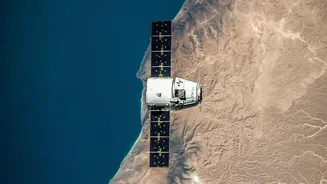
SpaceX is targeting a launch window for Flight 15 that opens as early as November 14, Indian Standard Time, pending final regulatory approvals. However, timelines in space exploration are notoriously fluid and subject to change based on technical readiness and weather conditions. SpaceX typically confirms the final launch date only a few days in advance. The upcoming flight has a particularly ambitious goal: after the Super Heavy booster returns to the launch site shortly after liftoff, the Starship spacecraft will spend nearly a full day in orbit before attempting its own return to be caught by the launch tower's giant mechanical arms. This has never been done before and marks a critical step toward rapid reusability. The mission will also deploy a batch of Starlink internet satellites into orbit.
What Might We See in India?
The visibility of Starship will depend heavily on the final flight path, the time of day, and local weather conditions. The most dramatic viewing opportunity would be during the spacecraft's atmospheric re_entry. If this occurs over the Indian Ocean after sunset, it could be visible from southern and eastern parts of India. Viewers should look for a bright, fast_moving, meteor_like object, potentially glowing with a colourful plasma trail as it descends through the upper atmosphere. This visual spectacle is the result of the spacecraft's heat shield battling temperatures of thousands of degrees. While the overhead orbital passes will be too high to be seen with the naked eye, the re_entry phase offers a rare chance to witness a piece of cutting_edge space technology in action.
More Than Just a Light Show
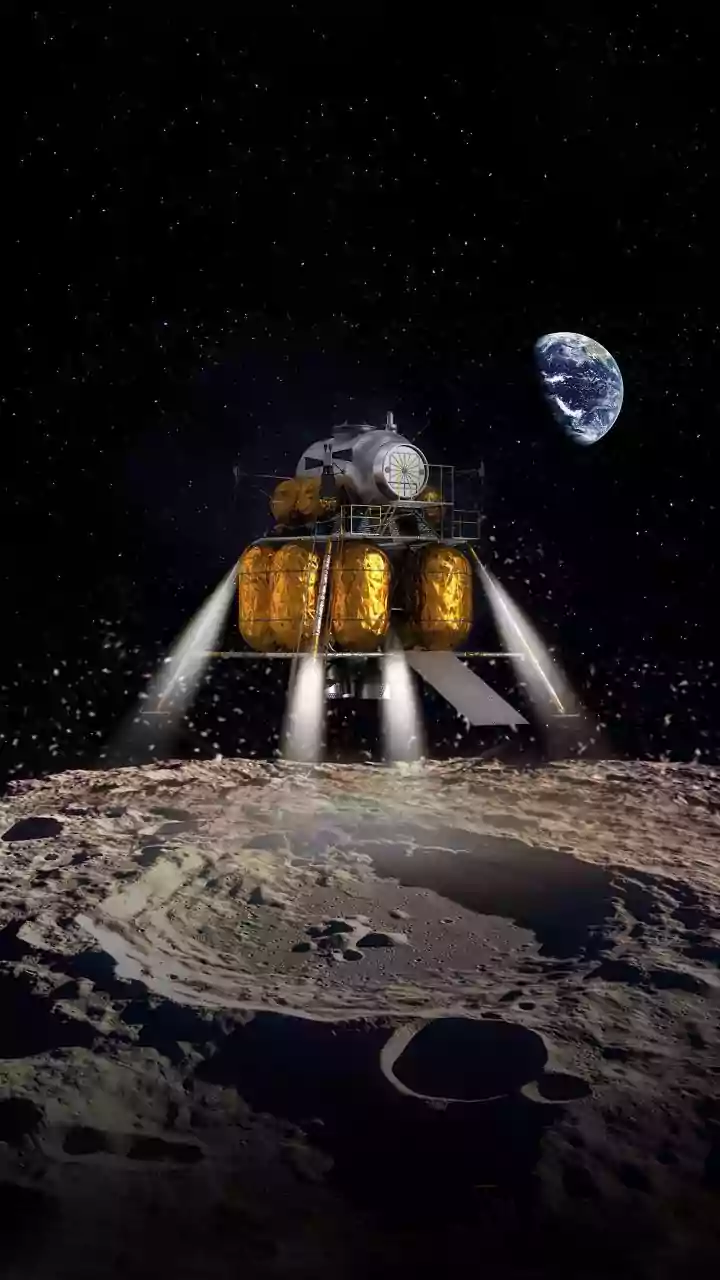
While the potential sighting is exciting, the flight's significance goes far beyond the visual. Each Starship test is a crucial data_gathering exercise. This flight will test the vehicle's endurance in orbit for an extended period and the all_important performance of its heat shield during re_entry. Successful tests like this one move SpaceX closer to its long_term objectives, including landing NASA astronauts on the Moon as part of the Artemis program and building a self_sustaining city on Mars. For India and the world, the success of a fully reusable super_heavy launch system promises a future where deploying large satellites, building space stations, and conducting deep_space science becomes more routine and affordable.